1. Home
  2. Cars
  3. News

BMW’s i8 Roadster convertible was literally years in the making

BMW will reportedly show its production version of the i8 Roadster this fall

Add as a preferred source on Google

After years of teases, BMW is finally pulling the trigger on a convertible version of its i8 plug-in hybrid coupe. Such a vehicle was first teased in April 2012, in the form of the i8 Spyder concept. But BMW has dragged its feet on a production i8 roadster, until now.

The convertible will start production next year as the i8 Roadster, BMW confirmed with a teaser pushed to its major social media accounts. The announcement echoes a statement made by CEO Harald Krueger last fall regarding a 2018 launch date for the i8 convertible. This model will be the third in BMW’s “i” lineup of electrified vehicles, and the first new one since the i8 coupe launched in 2014.

Recommended Videos

The teaser doesn’t reveal much about the i8 Roadster but, then again, this car shouldn’t hold too many surprises. Aside from the convertible roof, the Roadster should maintain most of the features of the i8 coupe, including futuristic styling and an unusual chassis composed of a carbon fiber-reinforced plastic body shell, and aluminum subframe. Expect the powertrain to remain the same too, meaning a 1.5-liter turbocharged three-cylinder engine and electric motor will provide motivation.

The i8 Roadster has had a long gestation period. After the i8 Spyder concept was unveiled in 2012, rumors persisted that it would go into production. BMW even unveiled a second i8 convertible concept, the i Future Interaction, at CES 2016. This concept was built primarily to show off infotainment tech, but it still kept the i8 convertible conversation going.

Automotive News is reporting that BMW will drop its production i8 Roadster at this fall’s L.A. Auto Show. BMW has yet to confirm the report but a November debut would make sense given the teaser and reports of the finishing touches being added to the topless i8.

BMW could certainly use a high-profile new model like the i8 Roadster right now. While both the i8 coupe and i3 electric car garnered plenty of praise when they were first launched, BMW’s “i” division seems to have lost its way somewhat. The i8 and the i3 electric car garnered plenty of praise when they were launched, but with so many other automakers developing electric cars, the “i” division is not the vanguard of automotive tech BMW hoped it would be. If nothing else, the i8 Roadster will get people to pay attention to the “i” sub-brand again.

When it launches next year, the i8 Roadster will also be an unusual proposition. Aside from the all-electric Smart ForTwo Electric Drive, it will be the only plug-in convertible sold in the U.S. So BMW will make environmentally conscious sun seekers happy, at least.

Update: Added news of i8 Roadster’s potential debut in Los Angeles. 

Stephen Edelstein
Stephen is a freelance automotive journalist covering all things cars. He likes anything with four wheels, from classic cars…
Your next car’s software update could become its biggest security risk
Your next car could receive updates like your smartphone. That's also becoming a cybersecurity nightmare.
OTA technology allows manufacturers to remotely deliver software updates.

Modern cars are no longer machines that stay the same after they leave the showroom. Increasingly, they're becoming software-defined vehicles that receive new features, bug fixes, and security patches wirelessly, much like smartphones. But while over-the-air (OTA) updates have made vehicle maintenance easier and cheaper, cybersecurity experts are warning that the same technology could also become one of the automotive industry's biggest security challenges.

Researchers and policymakers are now calling for stronger oversight as connected vehicles become increasingly dependent on remote software updates. Their concern isn't just about hackers stealing personal data. It's about someone potentially interfering with the operation of a moving vehicle.

Read more
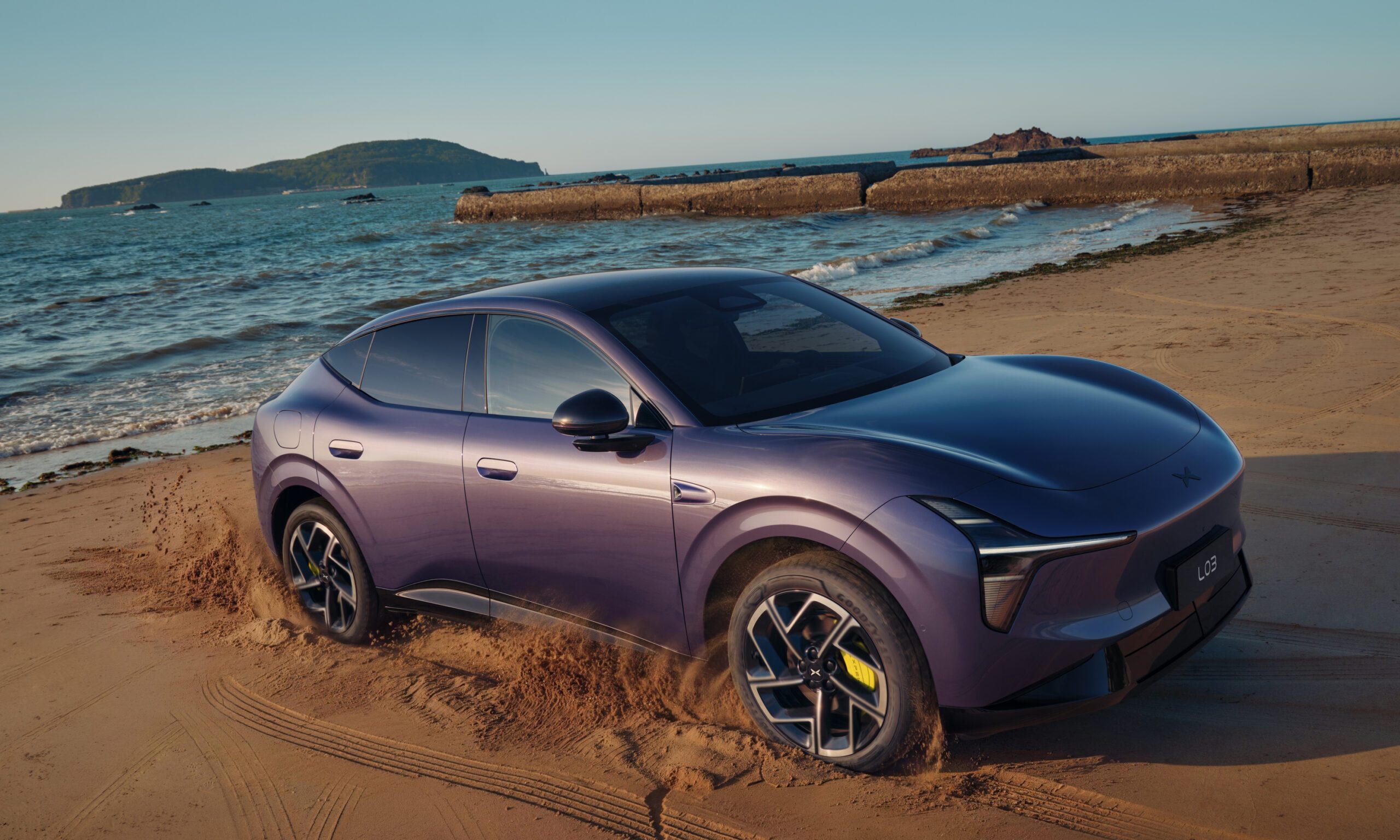
This sleek Chinese EV pairs supercar styling with three AI brains
The Xpeng L03 is an AI supercomputer disguised as a stylish family SUV
Xpeng L03

Xpeng’s latest electric vehicle carries enough processing power to make the term "smart car" actually sound more realistic than it actually is. The new Xpeng L03 debuted simultaneously in Europe and China on July 16, with the company presenting it across 65 markets. Available as a fully electric vehicle and an L03 Power X range-extender, the coupe-SUV is Xpeng’s most internationally focused model so far. Market-specific prices and sales dates remain unannounced.

Three AI chips and Google Maps built right in

Read more
A new sodium battery posts wild four-minute charging numbers, but don’t expect it in an EV yet
The breakthrough could improve fast charging and battery life, but the study hasn’t demonstrated those results in a production-sized pack
EV Charger

A new sodium-metal battery has posted a charging number that makes today’s EVs look painfully slow. In laboratory testing, the cell operated at a 15C rate, equivalent to completing a charge or discharge in roughly four minutes.

That doesn’t mean researchers plugged in an electric car and watched it fill up before the driver finished buying coffee. The result came from a small experimental cell using a new quasi-solid electrolyte, while the larger pouch-cell prototype delivered far less dramatic performance.

Read more