1. Home
  2. Cars
  3. News

BMW’s Formula E i8 may be a ‘connected car,’ but it sure looks slippery in this video

Add as a preferred source on Google

How is tech company Qualcomm illustrating the future of the connected car? By drifting a wirelessly charged BMW i8 around a racetrack, of course.

In August, we reported that Qualcomm was testing wireless charging technology for electric vehicles like the BMW i8 and i3. The ‘Halo’ system uses a magnetic field to reenergize an EV’s batteries in the same way that cordless smartphone chargers do.

Recommended Videos

The firm chose an interesting place to test its concepts, the FIA Formula E Gran Prix in Beijing, China. A competition for one-seater, electrically powered racecars, the event employed a BMW i8 and i3 as safety and extraction cars during its debut this past weekend.

The connection between Formula E and two Bimmers is obvious, but the telecommunications company chose the event as a testing ground for a very practical reason: the lack of cables and connections keep the safety cars charged and ready to respond at all times.

BMW i8 and i3
Image used with permission by copyright holder

“The BMW i8 and i3 models are fantastic, both in terms of performance and ground-breaking design,” said Marketing Director of Formula E Jaume Sallares. “With the wireless electrical vehicle charging technology from Qualcomm, it means they can be rapidly deployed, without unplugging, ensuring they get out on track attending to incidents without delay.”

Related: Telecom company Qualcomm testing wireless EV charging on the track, predicts 2017 consumer debut

To further promote its wireless charging tech, Qualcomm recently released a video of the i8 safety car shredding its tires on a racetrack

Qualcomm’s engineers struggle to describe their Halo EV charging system as Formula E pilot Nelson Piquet Jr. rips the hybrid around the asphalt. The i8 sounds surprisingly mean, but outside of some light bars, a roll cage, and a new set of decals, it’s essentially stock.

Qualcomm inventor Pat Kusbel, moments after having his neck kinked by one of Piquet’s wide drifts, sums up his thoughts on the i8 succinctly with adolescent joy.

“That was cool,” he says.

Andrew Hard
Andrew first started writing in middle school and hasn't put the pen down since. Whether it's technology, music, sports, or…
Two Indian automakers just beat Tesla at the one thing you’d expect it to own
Two Indian automakers, Tata Motors and Mahindra, just topped a global EV efficiency ranking ahead of Tesla and BYD.
Car, Suv, Transportation

I'll admit, Tesla topping an efficiency ranking felt like a foregone conclusion until I actually saw the numbers. Turns out two Indian automakers just embarrassed both Tesla and the world's biggest EV maker at their own game. 

The first time I read the report, I couldn’t believe it, and I’ve been following the Indian automobile industry for a couple of years now.  

Read more
BYD’s new Racco is Japan’s first electric kei car with over 300 km range
The Racco also undercuts Nissan's Sakura on price before taxes and incentives, which packing in features rarely seen in the kei car segment.
BYD Racco

BYD has entered the Japanese kei car market with the Racco, an electric car built specifically for the country's compact car segment. Its top trim delivers 320 km of range, making it the first compact electric car in the market to pass 300 km, according to ITHome.

Kei cars are a Japanese vehicle class with strict size and power limits, and the segment has long been dominated by domestic automakers such as Honda, Nissan, Suzuki, and Daihatsu. The Racco is BYD's first attempt to compete in that space.

Read more
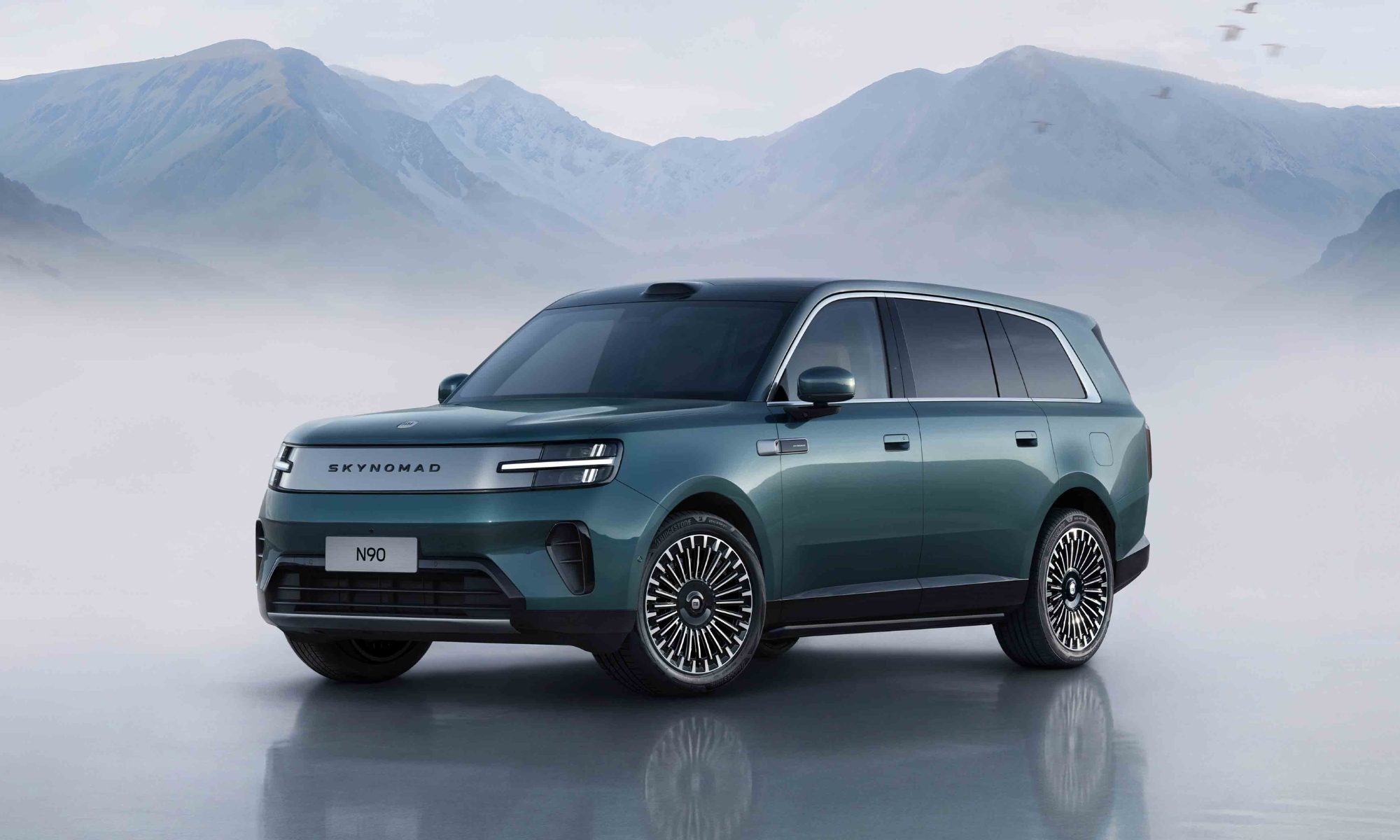
Xiaomi’s sleek seven-seater SkyNomad EREV gets a specs reveal. It’s a template US carmakers must desperately follow
Xiaomi made a sedan first. Now it's coming for your family SUV too.
Skynomad

When Xiaomi entered the automotive industry, it did so with the all-electric SU7 sedan, then expanded into SUVs with the YU7. Its next move is taking the company into one of China's fastest-growing vehicle segments: extended-range electric SUVs (EREVs). Ahead of a technical presentation on July 30, Xiaomi has shared fresh details about its upcoming SkyNomad lineup via its Weibo channel, first spotted by CarNewsChina, revealing the new Kunlun range extender, fuel economy figures and testing progress.

At first glance, the SkyNomad N90's upright silhouette, squared-off proportions and premium detailing inevitably draw comparisons with the Range Rover. But mechanically, Xiaomi appears to be targeting a very different group of rivals. The company is entering a market currently dominated by Chinese brands such as Li Auto and Huawei-backed Aito, both of which have built successful businesses around extended-range SUVs that combine electric driving with the convenience of a gasoline-powered range extender.

Read more