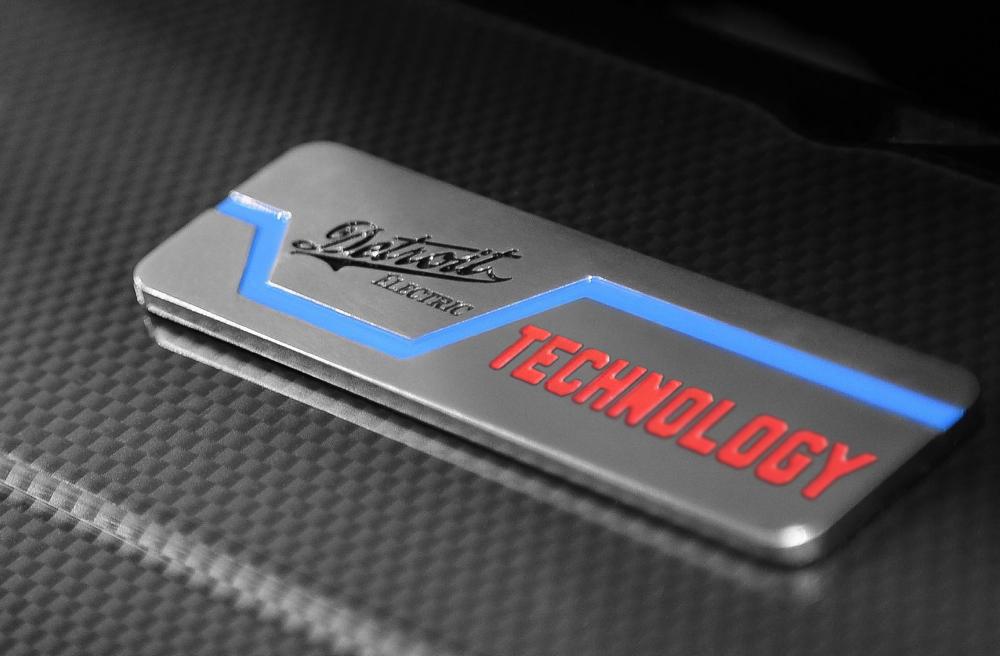
 Detroit Electric and China’s Geely Automobile Group have announced a “strategic partnership” to co-develop electric vehicles and electric powertrains for the Chinese market.
This odd coupling of one of China’s largest carmakers and a small American company just waking up from a 74-year slumber will bear its first fruit in 2014.
Like Detroit Electric’s recently unveiled SP:01 sports car, the first EV from the partnership will be based on an existing production car.
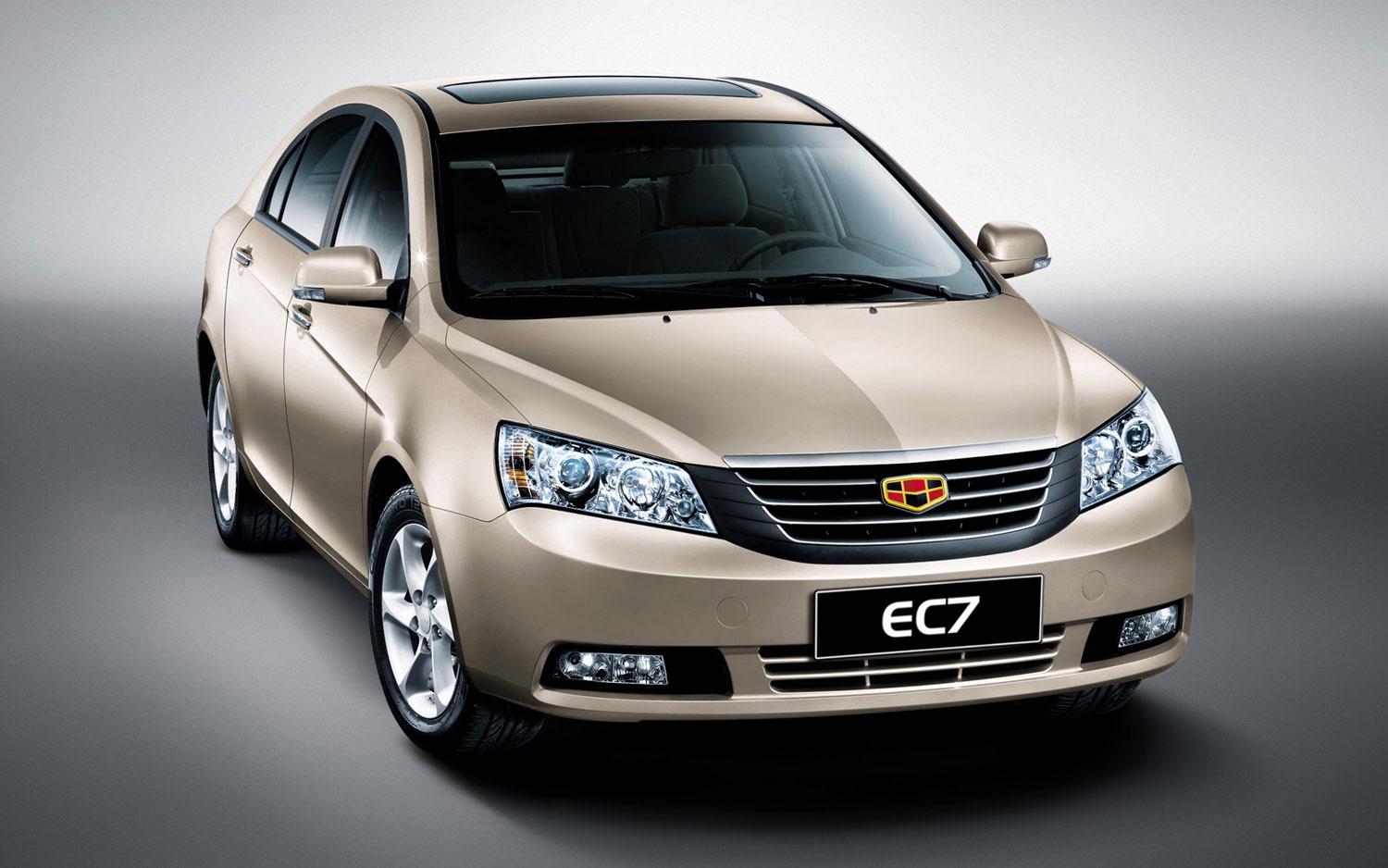
Instead of a Lotus Elise, though, it will be based on Geely’s Emgrand EC7, a midsize sedan from Geely’s near-luxury brand.
Engineers from the two companies will work together to design a powertrain for the EC7-EV, which will also use a two-speed Detroit Electric transmission. All components will be manufactured in China but will wear “Detroit Electric Technology” badges.
Geely says the EC7-EV will be available in both medium and long range specifications, with roughly 100 miles or 160 miles or driving per charge, respectively.
The EC7-EV won’t be sports car like the SP:01, but Geely expects it to be pretty lively. Performance benchmarks include a 0 to 62 mph (0 to 100 kph) time of less than eight seconds, and a top speed of over 125 mph.
The car will go on sale in China in the first quarter of 2014, with Geely primarily targeting business and other fleet buyers. Geely and Detroit Electric hope to sell 3,000 units in the first year of production, and 30,000 units total in three years.
 This isn’t Geely’s first attempt to find an EV dance partner. The company, which also owns Volvo, made a pass at Fisker Automotive late last year, but withdrew its bid this past March.
Collaboration with Geely could help the reborn Detroit Electric move on from converting Lotus Elises into EVs, just as woking with larger OEMs like Toyota helped Tesla advance from the Lotus-based Roadster to the Model S.
Detroit Electric hopes to eventually have a full range of EVs, but for now its only product is the SP:01, which is billed as the world’s fastest electric production car. Only 999 examples will be built, with a price tag of $135,000 each.
Editors' Recommendations
- Ram EV concept previews truck brand’s electric future
- How do electric cars work? EV motors and batteries explained
- Sony could enter EV market with its Vision-S vehicles
- 2022 GMC Hummer EV packs a 1,000-horsepower electric punch
- Citroën’s tiny, two-seat Ami EV will costs $22 a month after $3,000 down payment