  1. Home
  2. Cars
  3. Legacy Archives

Electric car batteries under investigation after Chevy Volt crash test causes fire

Add as a preferred source on Google

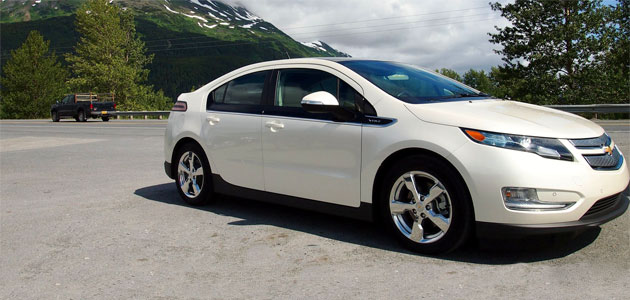
A routine crash test for the Chevrolet Volt has prompted a federal investigation of the lithium-ion batteries that power electric cars.

According to Reuters, the incident has led to the National Highway Traffic Safety Administration turning its attention toward manufacturers of electric vehicles, and asking for details about how they handle the batteries and minimize fire risk.

Recommended Videos

However, the agency has made it abundantly clear that the incident appears to be a fluke thus far, and reiterated its support of the Volt and other electric vehicles.

Various reports indicate that the Volt crash test occurred in May, and the fire broke out several weeks later in the massive, T-shaped battery that runs from the back of the car and through the center of its frame. General Motors stated that it was not aware of any prior incidents like this with the Volt, and the NHTSA said it hasn’t received any consumer complaints about this type of fire with the Volt or other electric vehicles.

General Motors and NHTSA were also unable to replicate the fire in follow-up tests, so it seems like electric vehicles continue to get the green light from federal safety agencies.

“First and foremost, I want to make this very clear: The Volt is a safe car,” said GM’s chief engineer for electric vehicles, Jim Federico, in an official statement. “We are working cooperatively with NHTSA as it completes its investigation. However, NHTSA has stated that based on available data, there’s no greater risk of fire with a Volt than a traditional gas-powered car.”

Rick Marshall
Former Contributing Editor, Entertainment
A veteran journalist with more than two decades of experience covering local and national news, arts and entertainment, and…
Two Indian automakers just beat Tesla at the one thing you’d expect it to own
Two Indian automakers, Tata Motors and Mahindra, just topped a global EV efficiency ranking ahead of Tesla and BYD.
Car, Suv, Transportation

I'll admit, Tesla topping an efficiency ranking felt like a foregone conclusion until I actually saw the numbers. Turns out two Indian automakers just embarrassed both Tesla and the world's biggest EV maker at their own game. 

The first time I read the report, I couldn’t believe it, and I’ve been following the Indian automobile industry for a couple of years now.  

Read more
BYD’s new Racco is Japan’s first electric kei car with over 300 km range
The Racco also undercuts Nissan's Sakura on price before taxes and incentives, which packing in features rarely seen in the kei car segment.
BYD Racco

BYD has entered the Japanese kei car market with the Racco, an electric car built specifically for the country's compact car segment. Its top trim delivers 320 km of range, making it the first compact electric car in the market to pass 300 km, according to ITHome.

Kei cars are a Japanese vehicle class with strict size and power limits, and the segment has long been dominated by domestic automakers such as Honda, Nissan, Suzuki, and Daihatsu. The Racco is BYD's first attempt to compete in that space.

Read more
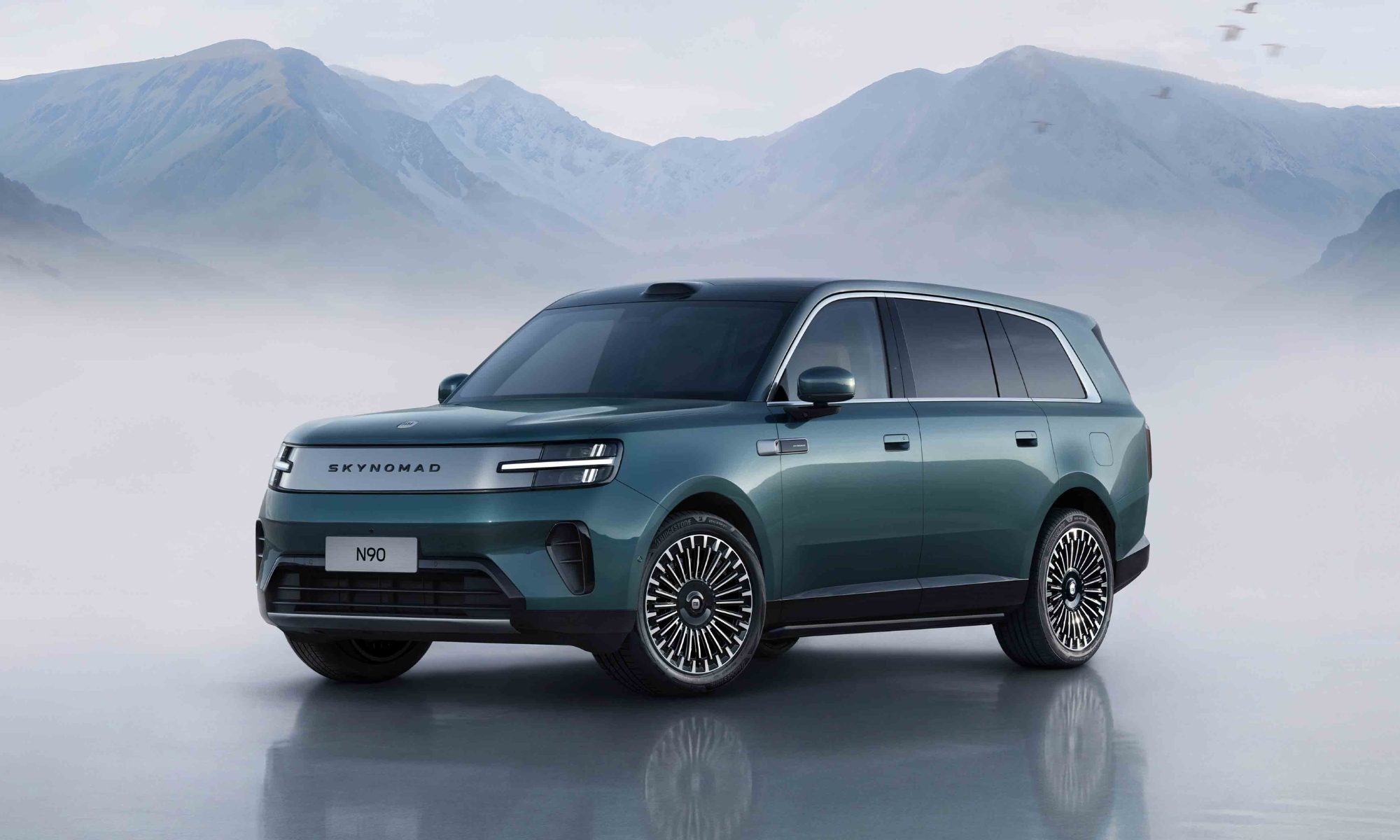
Xiaomi’s sleek seven-seater SkyNomad EREV gets a specs reveal. It’s a template US carmakers must desperately follow
Xiaomi made a sedan first. Now it's coming for your family SUV too.
Skynomad

When Xiaomi entered the automotive industry, it did so with the all-electric SU7 sedan, then expanded into SUVs with the YU7. Its next move is taking the company into one of China's fastest-growing vehicle segments: extended-range electric SUVs (EREVs). Ahead of a technical presentation on July 30, Xiaomi has shared fresh details about its upcoming SkyNomad lineup via its Weibo channel, first spotted by CarNewsChina, revealing the new Kunlun range extender, fuel economy figures and testing progress.

At first glance, the SkyNomad N90's upright silhouette, squared-off proportions and premium detailing inevitably draw comparisons with the Range Rover. But mechanically, Xiaomi appears to be targeting a very different group of rivals. The company is entering a market currently dominated by Chinese brands such as Li Auto and Huawei-backed Aito, both of which have built successful businesses around extended-range SUVs that combine electric driving with the convenience of a gasoline-powered range extender.

Read more