  1. Home
  2. Computing
  3. Mobile
  4. Legacy Archives

Adobe Flash Player has ‘critical’ security issue, won’t be addressed until next week

Add as a preferred source on Google

If you use Adobe’s Flash Player at all, tread cautiously. The company released a security advisory late yesterday revealing that a “critical vulnerability” was found in pretty much all versions of the multimedia platform as well as in Adobe Acrobat and Adobe Reader.

Affected versions include: “Adobe Flash Player 10.2.152.33 and earlier versions (Adobe Flash Player 10.2.154.18 and earlier for Chrome users) for Windows, Macintosh, Linux and Solaris operating systems, Adobe Flash Player 10.1.106.16 and earlier versions for Android, and the Authplay.dll component that ships with Adobe Reader and Acrobat X (10.0.1) and earlier 10.x and 9.x versions of Reader and Acrobat for Windows and Macintosh operating systems.”

Recommended Videos

The vulnerability could result in a crash or potentially be exploited by a hacker to “take control of the affected system.” Worse, there are reports already that this security hole is being exploited via a Flash file (.swf) embedded in a Microsoft Excel (.xls) spreadsheet that arrives as an e-mail attachment. So for the two of you who happily download everything that comes into your mailbox, even if you don’t recognize the sender… stop. It appears that there are no similar exploits out there for Reader or Acrobat yet; Adobe notes that the Protected Mode in Reader X “would prevent an exploit of this kind from executing.”

Work on a fix is underway. Those versions of software with critical flaws — which is everything other than Reader X, since running in Protected Mode will keep you safe — are getting the most attention. Adobe expects a fix to go live “during the week of March 21, 2011.” Reader X for Windows will be addressed as well, but not until the applications quarterly security update, which is currently set for release on June 14.

Unfortunately, the question at the start of this post is a rhetorical one. If you’re on the Internet in any way, then you use Flash. Unless you’re using an Apple iDevice, of course. Somewhere in Cupertino, Steve Jobs is snickering.


Adam Rosenberg
Former Gaming/Movies Editor
Previously, Adam worked in the games press as a freelance writer and critic for a range of outlets, including Digital Trends…
Topics
Sega’s Virtua Fighter Crossroads is coming to Nvidia’s wild new RTX Spark PCs
Virtua Fighter Crossroads will help showcase gaming on Nvidia’s new RTX Spark platform
Computer Hardware, Electronics, Hardware

Nvidia’s new RTX Spark platform has landed one of its first major games. Sega has confirmed that Virtua Fighter Crossroads will run on RTX Spark-powered laptops and compact desktop PCs when the game arrives in 2027. More Sega titles are also heading to the platform, although neither company has named them yet.

The announcement also marks more than 30 years of collaboration between Nvidia and Sega, a relationship that began when Nvidia’s NV1 graphics chip helped bring the original Virtua Fighter to PC. Sega later helped keep the young chipmaker alive by turning a $5 million payment into an investment when Nvidia was close to running out of money.

Read more
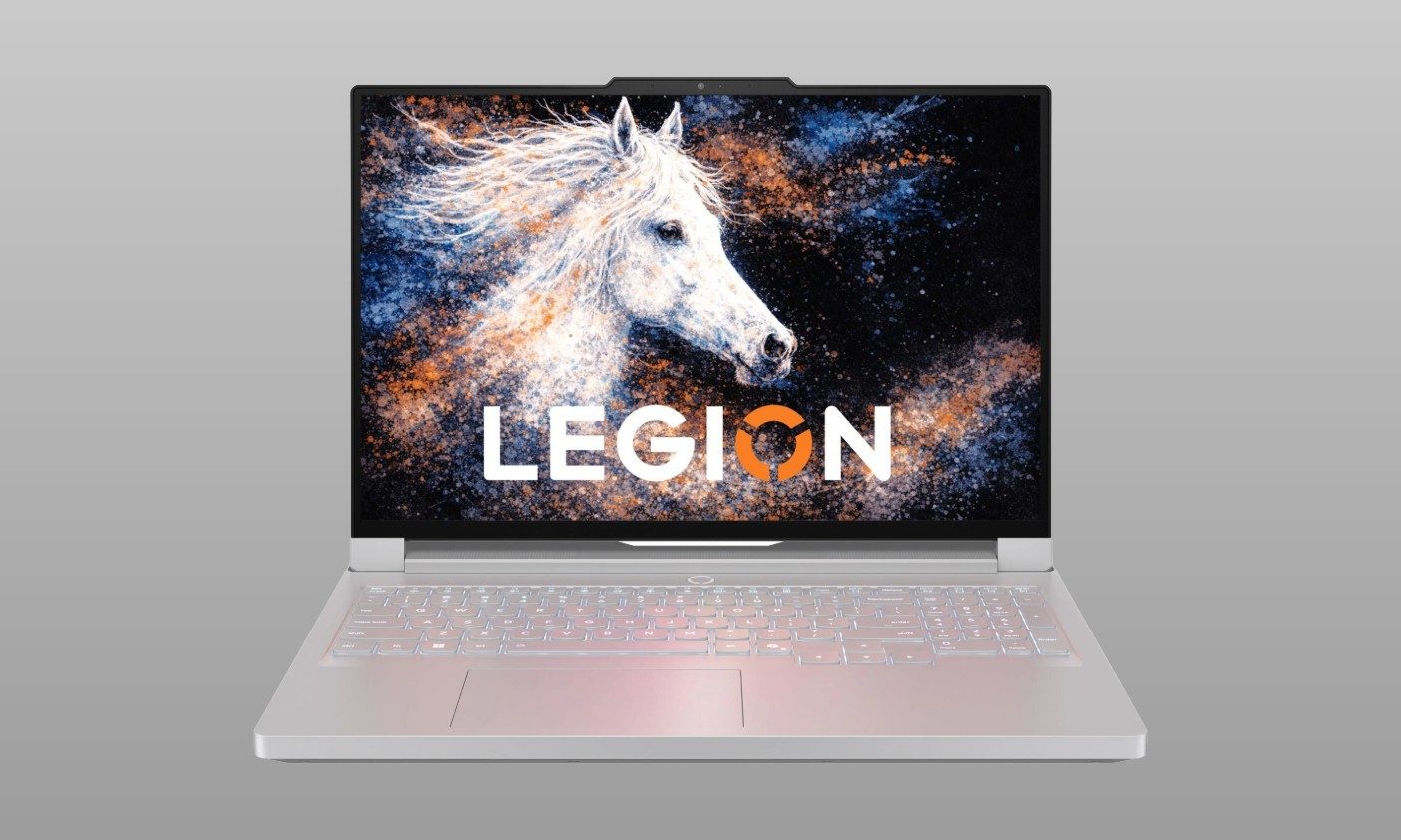
Lenovo’s new gaming laptop is the first to feature a 240Hz inkjet-printed OLED display
TCL’s inkjet-printed OLED technology finally reaches a commercial laptop through Lenovo
Computer, Electronics, Laptop

TCL has spent years saying inkjet-printed OLED could improve image quality, efficiency, lifespan, and manufacturing costs. Back in 2024, the company was still showing prototype laptop panels and promising a “comprehensive breakthrough” once the technology was ready for commercial products.

Two years later, it has finally arrived in a gaming laptop. Lenovo’s new Legion R9000P uses a 16-inch panel that TCL CSOT describes as the world’s first inkjet-printed OLED display integrated into a laptop.

Read more
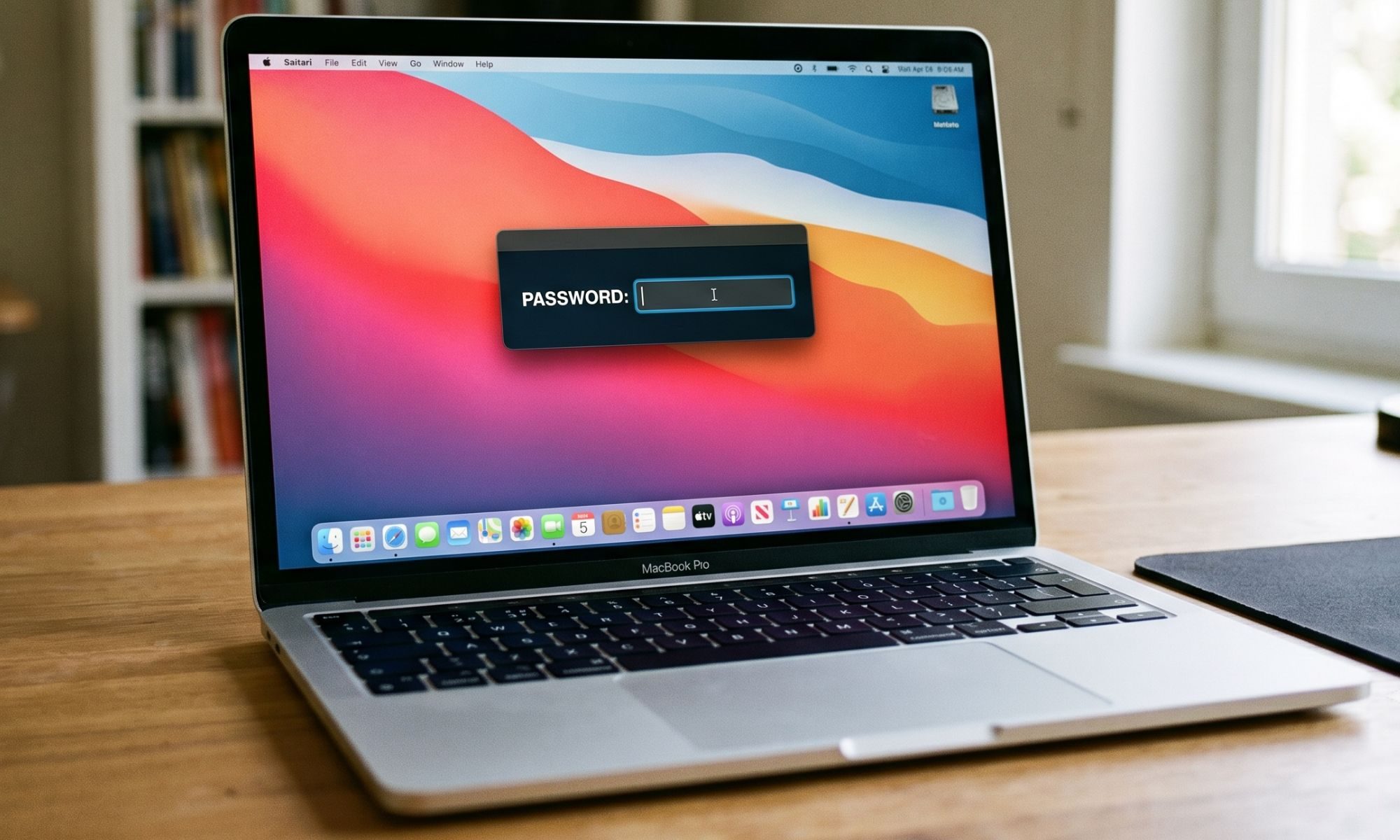
This new Mac malware won’t let you use your computer until you surrender your password
This Mac malware turns your own computer against you
AI Generated Image

A newly discovered strain of macOS malware is taking social engineering to an unsettling new level. Instead of exploiting a software vulnerability or silently stealing information in the background, it simply refuses to let you use your Mac until you type in your login password.

Dubbed ClickLock, the malware repeatedly shuts down key macOS processes, disables notifications, displays convincing Apple password prompts, and effectively traps users in a loop that only ends when the correct password is entered. Once that happens, it doesn't just steal the password. It goes after browser data, cryptocurrency wallets, saved credentials, password managers, and much more.

Read more