AMD’s Ryzen CPUs are among the best processors you can buy, and the most recent two generations are on sale for Black Friday — and some models are down to their lowest price ever. If you’ve been waiting to upgrade, now is the time to strike.
The deals aren’t made equally, though. AMD’s most recent Ryzen 7000 CPUs are on sale for the first time ever, but only by 22% at most. In addition, the flagship Ryzen 9 7950X isn’t on sale.
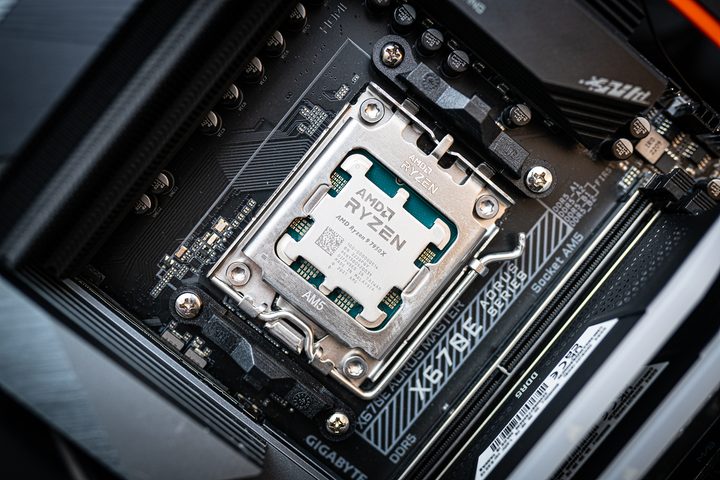
Although Ryzen 7000 CPUs aren’t seeing huge discounts this year, the slight adjustment in price can make a big difference in some cases. The midrange Ryzen 5 7600X is down to $249, which is a great price. It’s a six-core CPU that absolutely shreds in gaming, and it’s $70 cheaper than Intel’s competing Core i5-13600K.
As you can read in my Intel Core i5-13600K review, Intel’s chip is the better CPU to buy at list price. The problem? Intel doesn’t have its most recent processors on sale this Black Friday. The Core i5-13600K is the better buy at list price, but with a $70 delta this Black Friday, AMD’s Ryzen 5 7600X looks mighty attractive.
That’s true of the Ryzen 7 7700X, as well. At list price, it’s more expensive than the competition from Intel without a performance advantage. With Black Friday deals, though, the Ryzen 7 7700X is less than $350 (nearly $100 less than Intel’s Core i7-13700K). Intel has its last-gen Core i5-12600K and Core i7-12700KF on sale this year, but only with similar discounts as AMD’s most recent processors.
You don’t need the latest and greatest for a gaming CPU, and you can save big by going with the previous generation this year. AMD is offering close to half off three of its Ryzen 5000 processors: the Ryzen 5 5600X, Ryzen 7 5800X, and Ryzen 9 5900X.
Of the lot, the Ryzen 7 5800X is easily the best deal. It’s 49% off, bringing the list price of $450 down to $230. It’s an eight-core CPU, but the price always made it a bad buy — most people were better off going with the six-core Ryzen 5 5600X or 12-core Ryzen 9 5900X. At $230, though, it’s a steal. That’s almost $100 less than the Ryzen 5 5600X was at release.
You’re not getting top-shelf performance with AMD’s last-gen chips; they’re over two years old at this point. Still, they’re great options if you’re on a budget considering how inexpensive they are right now. The only one I’d avoid is the Ryzen 5 5600X. It’s not a bad deal, but I’ve frequently seen it go on sale in the $160 price range for about six months, so the Black Friday deal isn’t nearly as impressive as it looks.