1. Home
  2. Computing
  3. Apple
  4. News

Apple says it is still not considering adding touchscreen capabilities to Macs

Add as a preferred source on Google

Although Apple’s iPhone helped popularize the idea of a touchscreen smartphone, it still doesn’t want to bring the technology to its Mac desktop systems. It has also made it clear to questioning journalists, it has no plans to swap out Intel hardware for ARM processors.

These questions came to light during a recent roundtable discussion Apple had with a number of journalists it invited out to its Cupertino, California, headquarters. During the chat, several reporters asked whether Apple had any plans to add touchscreen functionality to its Macs, in a similar manner to Microsoft’s all-in-one Surface Studio products.It was also asked whether there was any possibility of dropping Intel CPUs from its Macs. On both accounts, the answer was a resounding no. However, Apple did purportedly say that there was a chance it would make more use of ARM chips in future as a secondary processor, much in the way it did in the MacBook Pros to run the Touch Bar, according to Axios.

Recommended Videos

Apple marketing head Phil Schiller apologized for the time it was taking in upgrading the Mac Pro and claimed there was something new in the works.

“We’re going to come up with something great to replace it,” he said. It also plans a small performance update for existing Mac Pros soon, to help tide users over in the mean time.

Schiller also reiterated Apple’s commitment to professional users of its Mac hardware and said it was continuing to develop software like Final Cut and Logic and will introduce new versions of iMac hardware later in 2017.

One move we do know Apple is making with its hardware, though, is ditching Imagination Technologies graphics chips from its mobile hardware. There is even the suggestion that those processors will be switched out for Apple’s own design in the coming years.

Jon Martindale
Jon Martindale covers how to guides, best-of lists, and explainers to help everyone understand the hottest new hardware and…
The Adobe clones are real, but so is the work left to finish them
Seven free alternatives are out now, but their own documentation shows how much work remains
Nature, Outdoors, Sea

Free versions of Photoshop, Premiere Pro, and Lightroom are an easy sell to anyone tired of paying Adobe. Add a developer who says he vibe-coded replacements for seven of the company’s apps, and the triumphant headline practically writes itself. Adobe can presumably start clearing its desk.

Brandon Thomas’s Crafting Apps give that excitement something to work with. People can download the tools, inspect the source code, and find their way around familiar interfaces.

Read more
Getting health advice from AI chatbots comes with a problem doctors may never see
Researchers say AI companies should face the same liability as doctors for bad health advice
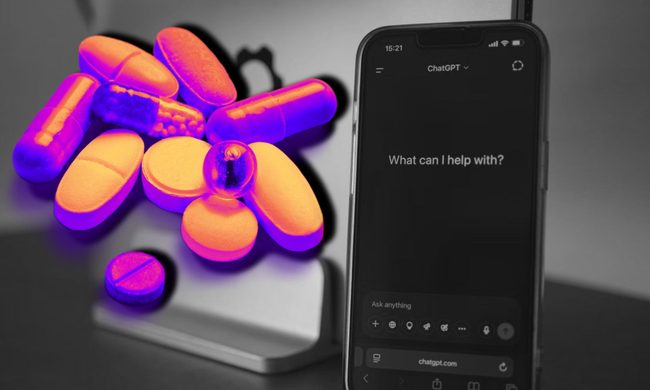
ChatGPT and pills on the same canvas.

AI chatbots have quietly become a go-to source for medical advice the extent that some are dangerously skipping real doctors. But when AI's health advice goes wrong, doctors may never see the exchange behind it.

Researchers from Binghamton University, Stanford, Texas A&M, and Indiana University published a paper in Nature Health examining what happens after a chatbot gives you bad health information. Their biggest concern is not just that chatbots can be wrong. It is that those mistakes often leave no trace for doctors, researchers, or regulators to catch.

Read more
AI companies expect a catastrophic AI incident and are reportedly preparing for the aftermath
A major AI cyberattack could disrupt essential services, damage public trust, and spark a political fight over regulations.
openai-anthropic-logo-on-screen

Leaders at OpenAI, Anthropic, and other AI companies are reportedly preparing for a potential AI disaster that could turn the public against artificial intelligence. According to an Axios report, industry leaders are privately running through possible scenarios for what happens after a catastrophic AI incident.

What kind of AI disaster are companies preparing for?

Read more