  1. Home
  2. Computing
  3. Legacy Archives

Apple’s iTunes Contest Rewards $10K in Music for 10 Billionth Download

Add as a preferred source on Google

itunesIt’s not a secret that the iTunes has been a great success for Apple. Since its launch in 2003, the store has been a one-stop shopping destination for music (later came movies, TV shows, and apps for the iPhone and iPod touch).

Even Bill Gates was taken aback by the launch of iTunes as DailyTech recently reported. “Steve Jobs ability to focus in on a few things that count, get people who get user interface right and market things as revolutionary are amazing things,” said Gates in early 2003. “This time somehow he has applied his talents in getting a better Licensing deal than anyone else has gotten for music. This is very strange to me. The music companies own operations offer a service that is truly unfriendly to the user and has been reviewed that way consistently.”

Recommended Videos

Nearly seven years later, iTunes is still the dominate leader in online music sales and shows no signs of slowing down. To celebrate closing in on 10 billion songs downloaded, Apple is announcing a new contest which will net the customer of the 10 billionth song purchased an iTunes gift card worth $10,000.

According to the contest rules:

The prize will be awarded for the entry (either through a song download or through the non-purchase online entry) sent immediately following the download of the 9,999,999,999th song. The potential winner will be determined by the order of the entries received. In the event that more than one entrant would be a winner based on the simultaneous timing of entries, one entrant will be randomly selected from those entrants as the winner.

You’d have to be quite the music, movie, or app enthusiast to ever manage to burn through a $10,000 iTunes gift card, but that shouldn’t stop you from trying to reach the 10B mark through purchasing songs or entering a submission for free on Apple’s website.

Dena Cassella
Former Digital Trends Contributor
Haole built. O'ahu grown
Topics
South Korea wants to give every citizen free, unlimited access to its own AI chatbot
The government-backed service could turn generative AI into public infrastructure instead of another monthly subscription
Electronics, Mobile Phone, Phone

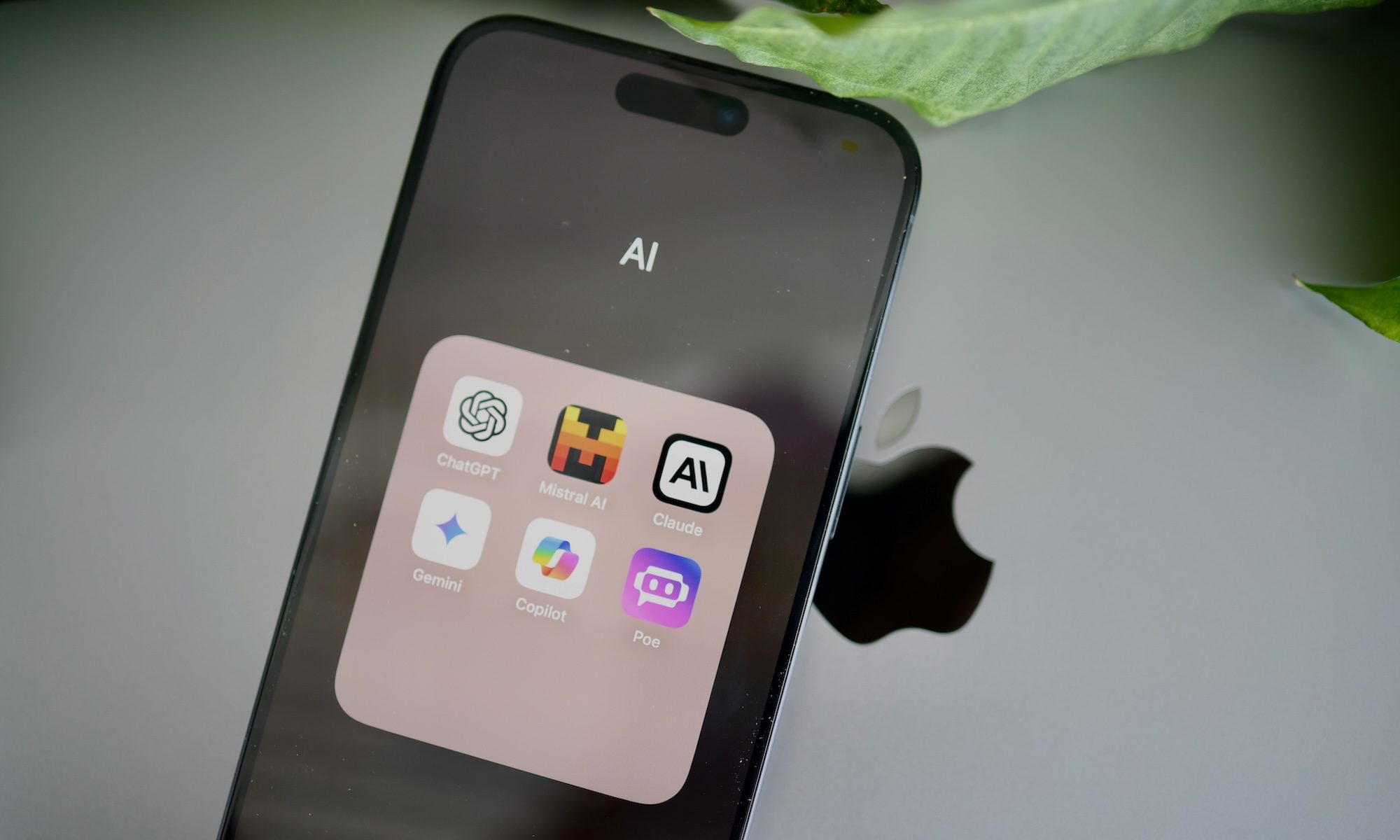
South Korea wants to give every citizen free access to an AI chatbot with no usage limits. That puts the technology closer to a public utility than another premium service demanding a monthly subscription.

The Ministry of Science and ICT announced the AI for Everyone project on July 13. Private companies will build the platform around locally developed models, while a separate AI agent will help people navigate government services. It’s a more practical job than generating emails or settling arguments nobody wanted to research themselves.

Read more
Falling in love with a chatbot is now off limits for kids in China
The crackdown targets emotional AI relationships as regulators worry about the country's record low birthrate.
Replika AI companion app on an iPhone in hand

Ever since AI chatbots arrived on the scene, there has been one aspect that has worried lawmakers and experts a lot: humans forming emotional connections with chatbots. There have been plenty of cases where over-reliance on these AI companions or partners has resulted in medical emergencies, lost lives, and triggered multiple lawsuits against the likes of OpenAI and Meta.

China cracks down on AI companion apps

Read more
Russian hackers keep finding their way into critical networks through neglected routers
A multinational warning says outdated firmware, weak passwords, and insecure settings are giving state-backed attackers an easy opening
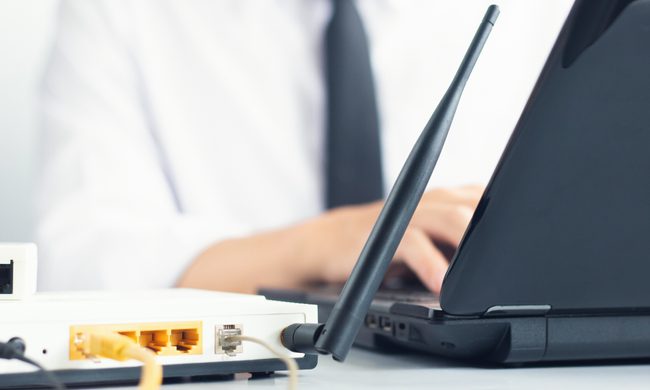
A Wi-Fi router next to a laptop.

Russian state-backed hackers have spent more than a decade exploiting a stubborn weakness in critical infrastructure networks. Organizations are still leaving poorly configured and outdated routers exposed to the internet.

In a joint cybersecurity advisory, the NSA, CISA, FBI, and international partners warn that hackers linked to Center 16 of Russia’s Federal Security Service are continuing to target vulnerable networking equipment. Energy, healthcare, and government networks are among the sectors facing the highest risk.

Read more