1. Home
  2. Computing
  3. News

Asus Flip Chromebook successor could boast Skylake CPU

Add as a preferred source on Google

Over the course of 2016, Google has displayed a renewed focus on Chrome OS, highlighted by the impending addition of Android app support to the operating system. Now, there’s word that Asus is prepping a new Chromebook with a Skylake processor under the hood.

The new system has been unearthed via references to a device given the codename “Cave” in Google’s Chromium source code, according to a report from Liliputing based on findings made by Chrome Unboxed. Of course, the hardware is still in development, so there’s every chance that there will be changes made before the finished product sees release.

Recommended Videos

However, there’s ample indication that the device in question is intended to be a follow-up to the Asus Flip Chromebook. Besides confirmation of a touchscreen display, there’s evidence to suggest that the system’s tablet functionality is based on the positioning of its lid, as was the case with the original Flip.

The difference is that the “Cave” project also seems to boast a 6th-generation Intel Core Skylake processor. That should give it a major performance boost over its predecessor, which was outfitted with a much less powerful Rockchip RK3288 CPU — but that upgrade is likely to be reflected in its selling price, too.

Asus has demonstrated an increased interest in Chrome OS over the last few months. The first-generation Flip Chromebook was among the first devices that were given access to Android apps, perhaps indicating some kind of partnership between Google and Asus going forward.

There’s still no official confirmation of the successor to the Asus Flip Chromebook, much less any details about its specs, retail pricing, or an expected release date. However, given that pre-orders for the original system opened in June 2015, there’s a good chance that we’ll hear some more specifics sooner rather than later.

Brad Jones
Brad is an English-born writer currently splitting his time between Edinburgh and Pennsylvania. You can find him on Twitter…
South Korea wants to give every citizen free, unlimited access to its own AI chatbot
The government-backed service could turn generative AI into public infrastructure instead of another monthly subscription
Electronics, Mobile Phone, Phone

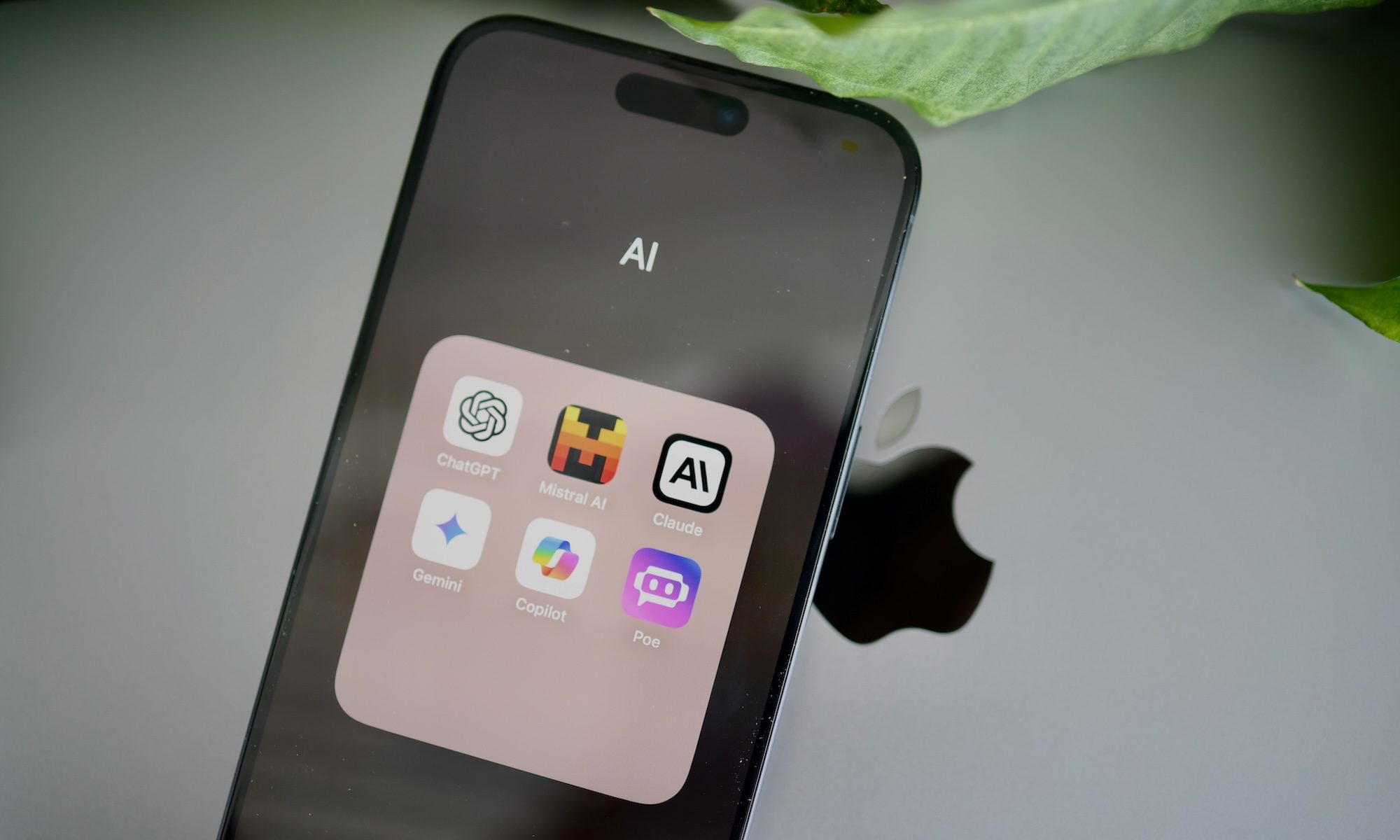
South Korea wants to give every citizen free access to an AI chatbot with no usage limits. That puts the technology closer to a public utility than another premium service demanding a monthly subscription.

The Ministry of Science and ICT announced the AI for Everyone project on July 13. Private companies will build the platform around locally developed models, while a separate AI agent will help people navigate government services. It’s a more practical job than generating emails or settling arguments nobody wanted to research themselves.

Read more
Falling in love with a chatbot is now off limits for kids in China
The crackdown targets emotional AI relationships as regulators worry about the country's record low birthrate.
Replika AI companion app on an iPhone in hand

Ever since AI chatbots arrived on the scene, there has been one aspect that has worried lawmakers and experts a lot: humans forming emotional connections with chatbots. There have been plenty of cases where over-reliance on these AI companions or partners has resulted in medical emergencies, lost lives, and triggered multiple lawsuits against the likes of OpenAI and Meta.

China cracks down on AI companion apps

Read more
Russian hackers keep finding their way into critical networks through neglected routers
A multinational warning says outdated firmware, weak passwords, and insecure settings are giving state-backed attackers an easy opening
A Wi-Fi router next to a laptop.

Russian state-backed hackers have spent more than a decade exploiting a stubborn weakness in critical infrastructure networks. Organizations are still leaving poorly configured and outdated routers exposed to the internet.

In a joint cybersecurity advisory, the NSA, CISA, FBI, and international partners warn that hackers linked to Center 16 of Russia’s Federal Security Service are continuing to target vulnerable networking equipment. Energy, healthcare, and government networks are among the sectors facing the highest risk.

Read more