1. Home
  2. Computing
  3. News

Asus settles FTC lawsuit over flawed router file security

Add as a preferred source on Google

Two years after thousands of Asus router owners were revealed to be so totally and utterly compromised that users’ files were available online to the world to peruse, Asus is settling with the FTC.

Asus is going to “establish and maintain a comprehensive security program subject to independent audits for the next 20 years” as part of the settlement, according to an FTC statement.

Recommended Videos

Security on Asus routers was so bad in 2014 that hackers felt sorry for the company’s customers, and left messages on thousands of computers warning them about the exploit.

“This is an automated message being sent out to everyone effected,” the message read. “Your Asus router (and your documents) can be accessed by anyone in the world with an Internet connection.”

And that wasn’t the only problem. To list just a few things:

  • Hackers could access and change the router’s configuration page without much effort.
  • Every device had the same login credentials, by default: username “admin” and password “admin,” and little was done to get users to change these.
  • In many cases accessing all files shared on a network was as simple as typing the external IP into a browser. Nothing was encrypted.

The FTC’s statement about this case makes it clear that every company making products accessible over the Internet will be held responsible for securing those products.

“The Internet of Things is growing by leaps and bounds, with millions of consumers connecting smart devices to their home networks,” said Jessica Rich, Director of the FTC’s Bureau of Consumer Protection. “Routers play a key role in securing those home networks, so it’s critical that companies like Asus put reasonable security in place to protect consumers and their personal information.”

The FTC seems to be going out of its way to talk about Internet of Things security lately. In January, it issued a report stating that connected devices should limit how long they store information as a security precaution. Mentioning these concerns again as part of this settlement means the government agency is watching companies closely, and will hold them accountable for any bugs.

Justin Pot
Justin's always had a passion for trying out new software, asking questions, and explaining things – tech journalism is the…
TSMC might set up a price hike that could come straight for your next phone, laptop, or tablet
Here's what TSMC's rumored 10% chip price increase actually means in dollar terms, and why your next phone or laptop could end up costing more.
TSMC Fab

My wallet flinched the second I saw the words "TSMC" and "price increase" in the same headline, and honestly, yours should too.

Turns out the company behind the silicon powering basically every flagship device out there, including Apple’s A-series and Qualcomm’s Snapdragon processors, is reportedly about to make all of it a little pricier.

Read more
Apple fixes Hide My Email bug that exposed users’ real email addresses
Here's how Apple's Hide My Email flaw leaked real addresses for over a year, and why it only got fixed once the story went public.
apple-merging-sign-in-with-apple-hide-my-email-icloud+

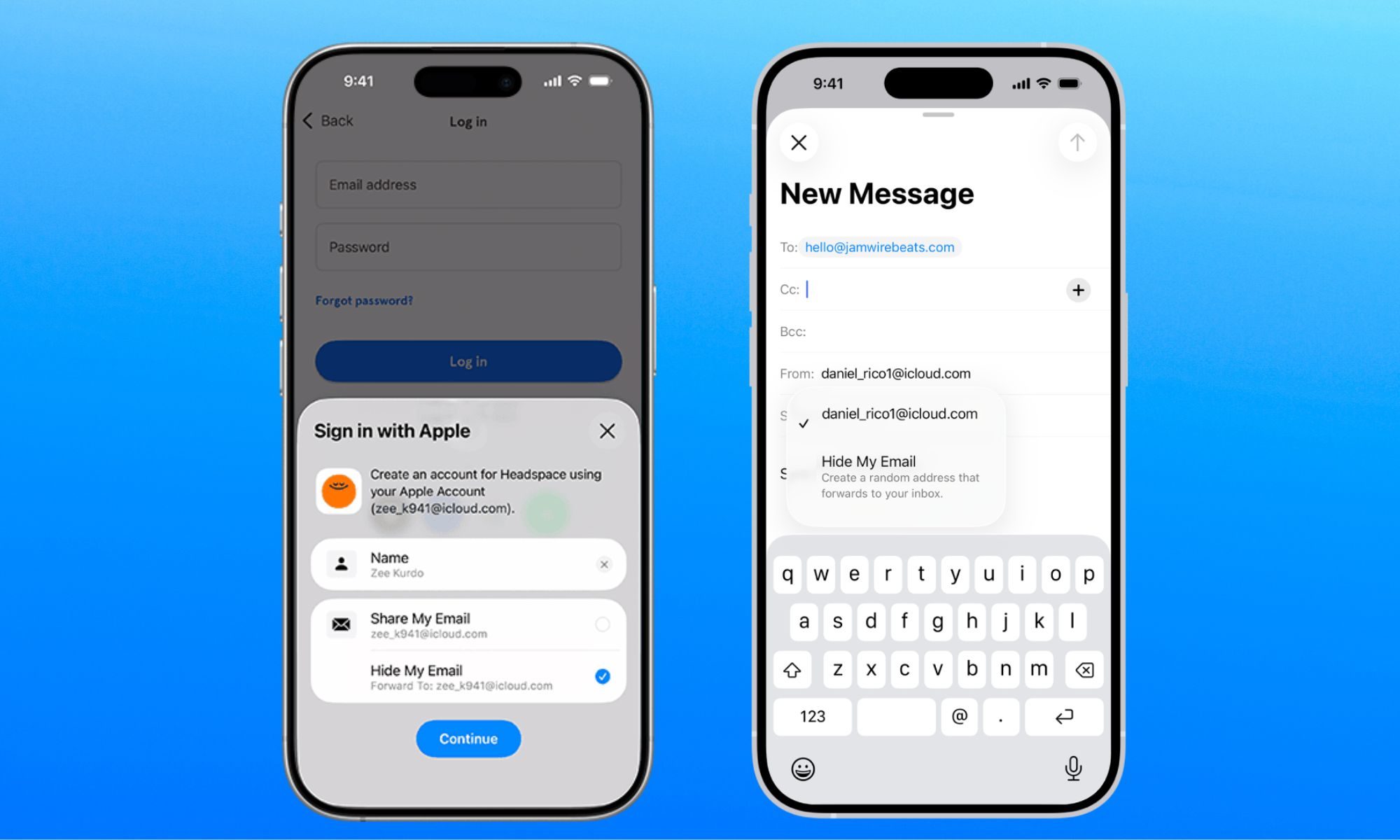
Turns out the "Hide" part of Hide My Email wasn't doing its job quite as advertised, something that I covered early in July. Security researcher Tyler Murphy reported the flaw in June 2025, but despite Apple claiming it was resolved in March 2026, independent tests confirmed it remained exploitable, at least until July 3, 2026.

So how did this bug actually work?

Read more
Gemini Notebook’s new Collections arrive just as Google turns it into a bigger workspace
Google is cleaning up notebook organization as the former NotebookLM expands across Gemini and Search
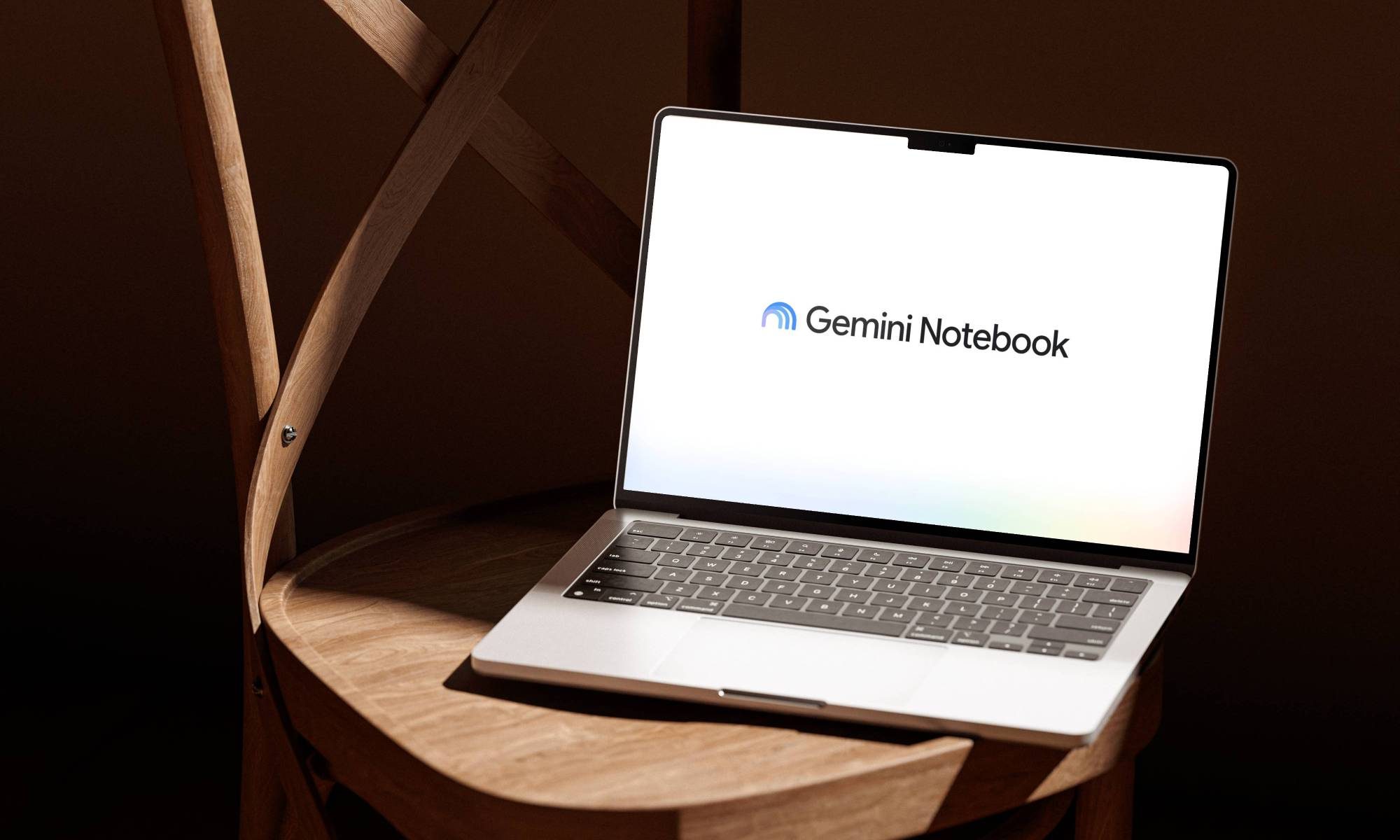
Gemini Notebook branding on a MacBook

Google has barely finished renaming NotebookLM, and it’s already addressing one of the headaches that comes with building a large research library.

Collections are rolling out to all Gemini Notebook users, giving them a way to group related notebooks while keeping everything visible under My Notebooks. The dashboard gets some structure without asking users to rearrange the library they’ve already built.

Read more