1. Home
  2. Computing
  3. Web
  4. News

In Cyberwar class, college students learn to think like hackers

Add as a preferred source on Google

At the University of California, Berkeley, college students are learning to think like hackers in order to find exploits and bugs in applications and websites that consumers use every day. These students are taking a class called Cyberwar.

The applications range from government websites to commercial banking and shopping applications, though one student admitted that local government websites were often more insecure.

Recommended Videos

“I mostly focused on government websites, specifically voter registration websites,” Vy-An Phan, a junior studying computer science, told CNN. “What I found was state websites and local websites were usually extremely poorly run. If I can find [bugs], certainly someone else can.”

Professor Doug Tygar says the goal of his class is to teach his students how to think like hackers so that they can design secure websites and apps.

“The goal is to train students to build super secure systems,” Tygar said. “But in order to do that, they have to be able to think like a hacker.”

The class has partnered with HackerOne, an organization that hires hackers to help companies repair vulnerabilities in their security systems. Every bug a student finds is reported to HackerOne and, sometimes, the students are paid for their work. Most of the students do their classwork for organizations that use HackerOne.

In addition to possibly earning them some extra cash, the class may also help them prepare for careers in cybersecurity. Research firm Cybersecurity Ventures estimates that by 2021, there will be more than 3.5 million unfilled cybersecurity positions worldwide.

HackerOne has expressed an interest in expanding the program’s reach, though the Berkeley offering won’t be available next year. However, Tygar has said that he hopes to bring the class back in the future, though he says he will be changing the name.

For her part, Phan says that she hopes to fill one of those jobs as she finds security work “much more rewarding” than the work of a developer.

Cyberwar might not be offered next year, but Berkeley offers plenty of unique courses. For instance, if you’ve ever wanted to learn the language of Game of Thrones’ horse lords, then you might be interested in Berkeley’s class on Dothraki.

Eric Brackett
Former Digital Trends Contributor
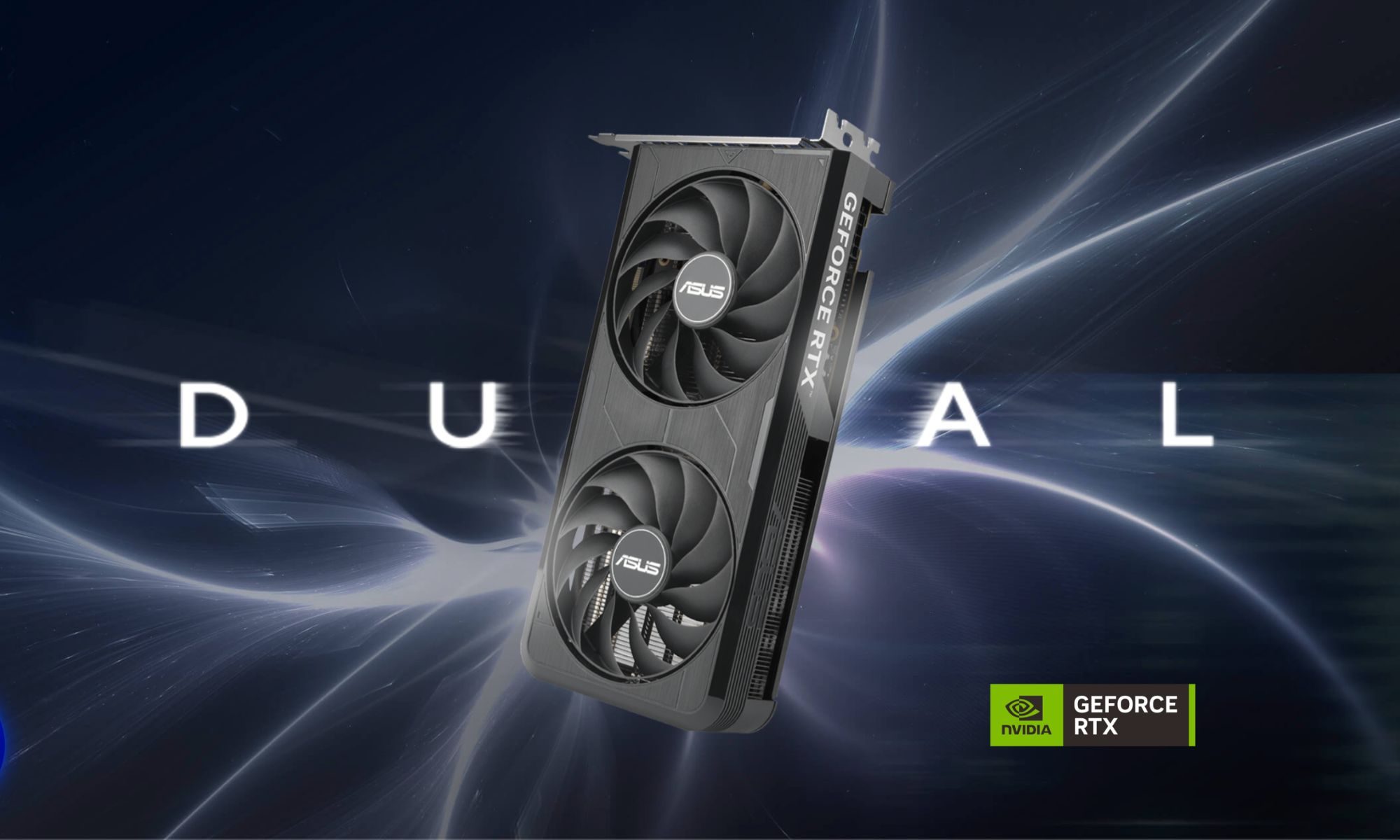
Asus and Gigabyte just made your next RTX 50 GPU even more expensive
One canceled order shows exactly how brutal the current market has become for buyers.
asus-nvidia-GeForce-RTX-5060-evo

After weeks of rumors around another round of hikes, Asus and Gigabyte have pulled the plug. They’ve made the impending price hike official, increasing prices across their entire RTX 50 lineup, and even AMD's Radeon RX 9000 cards. 

It’s worth mentioning that both companies already raised prices in January, blaming the ongoing DRAM and NAND memory shortage and surging costs. From what it looks like, things have only gotten worse since. 

Read more
Huawei made an utterly sleek laptop that’s 35% lighter than MacBook Air. Too bad you don’t need it.
The MateBook Pro S weighs less than 800 grams but runs HarmonyOS instead of Windows
Pen, Notebook, Computer

Huawei has made one of the most tempting ultralight laptops most people will probably never consider buying. The new MateBook Pro S weighs just 798 grams in its lightest configuration, making it around 35% lighter than the 13-inch MacBook Air. It is slightly thicker at 11.9mm, but Huawei still managed to fit a larger display and a 54Wh battery inside its magnesium-alloy chassis.

Its color options are pure eye candy, too. The soft pastel finishes immediately reminded me of the MacBook Neo and give the laptop far more personality than the usual sea of silver, gray, and black ultrabooks.

Read more
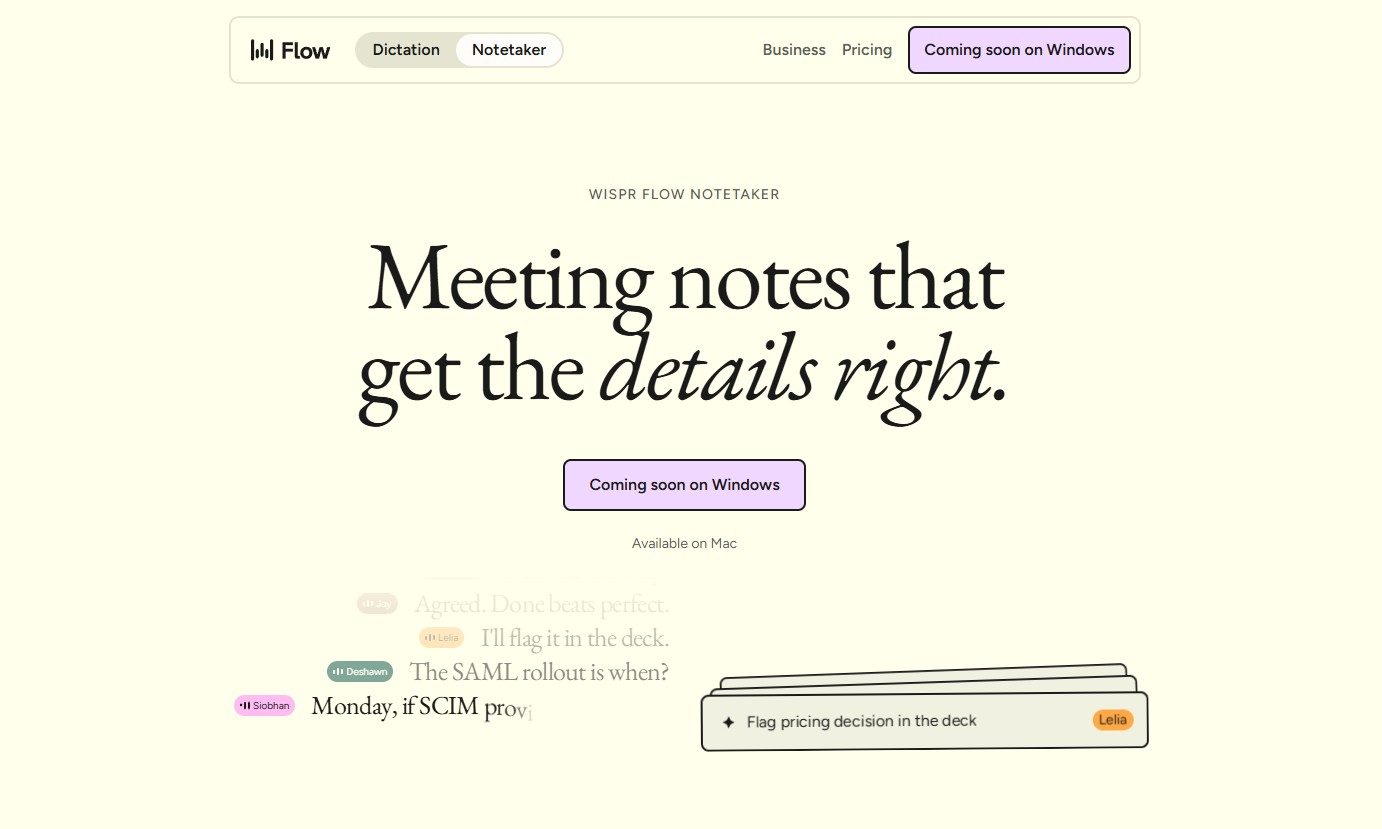
Wispr Flow launches an AI note-taker that works without joining calls
The new Wispr Flow tool called Notetaker creates live transcripts, summaries, and follow-up notes
Page, Text

Wispr Flow has launched Notetaker, an AI meeting assistant built into its existing Mac app. It can record conversations, show a live transcript, and prepare notes covering decisions, deadlines, assigned work, and unresolved issues.

Wispr Flow is best known for its dictation tool, which turns spoken thoughts into edited text wherever the user is working. Notetaker takes the company beyond voice typing and applies its transcription technology to meetings, interviews, and in-person conversations.

Read more