  1. Home
  2. Computing
  3. News

Gem Browser imagines an internet where every website is yours to redesign

By generating its own interactive version of a webpage, the experimental browser puts readers in control of the interface and publishers on uncertain ground

Add as a preferred source on Google
Electronics, Mobile Phone, Phone
Nadeem Sarwar / Digital Trends

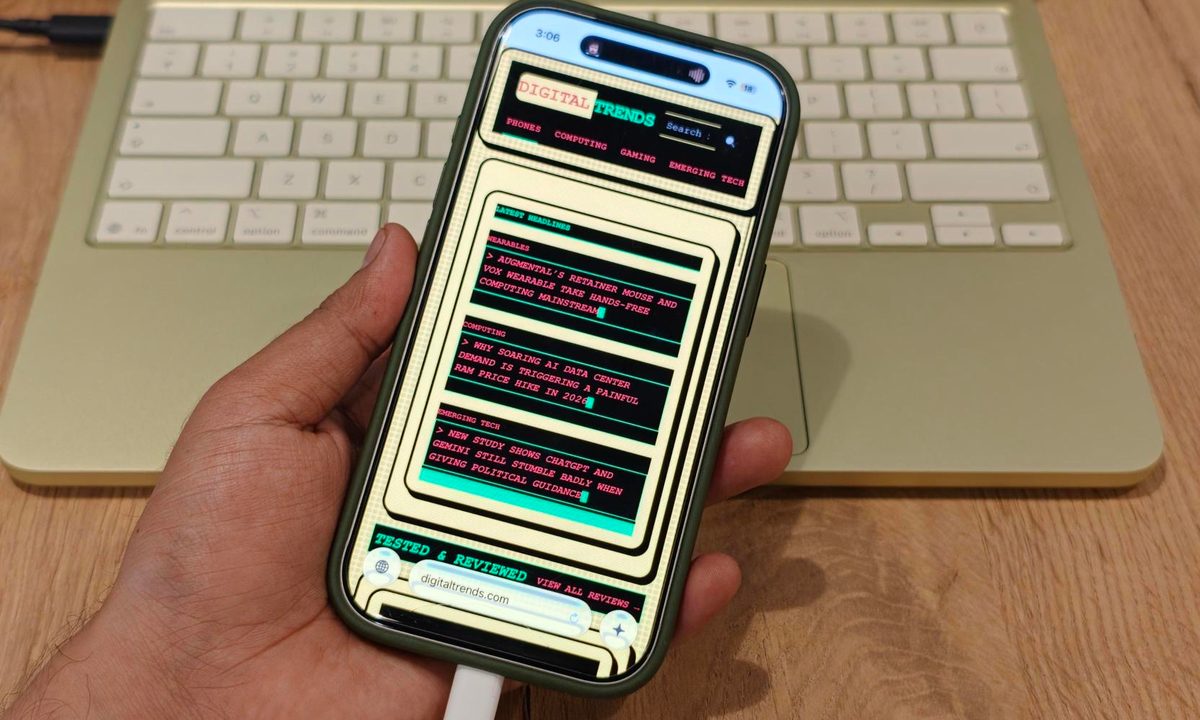
Gem Browser can rebuild an existing webpage around whatever the reader asks for. Google DeepMind designer Vidy Thatte demonstrated the feature in his original announcement, showing how the Apple-only experiment uses Gemini to make a website’s familiar interface optional.

That sounds wonderfully strange if you’ve ever wanted to rearrange the internet to your liking. It’s probably less delightful for whoever built the page being rearranged.

new update: you can now visit any (real) website and edit it using gemini ✨

testflight in comments https://t.co/yUQbNsWzo3 pic.twitter.com/DsxfCyVy7W

— vidy (@vidythatte) July 27, 2026

How Gem Browser rebuilds the web

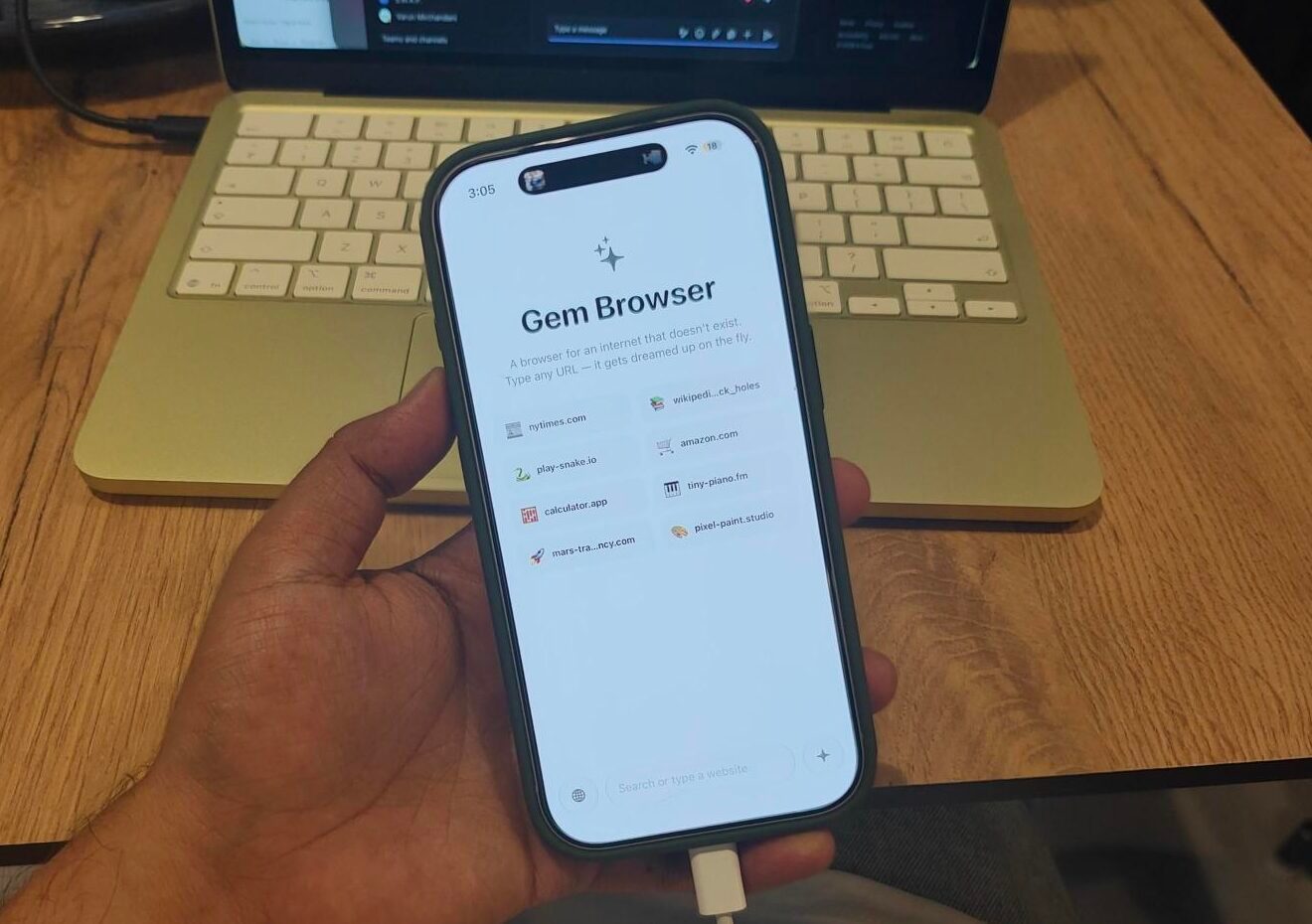
Enter an invented address and Gem Browser creates a functioning website on the spot, with links leading to more generated pages. You can browse an internet that Gemini invents as you move through it.

Recommended Videos

The newer feature turns that same machinery loose on real websites. A prompt can change how a page looks without altering the actual site. The publisher’s webpage remains online, but Gem Browser controls what appears on the reader’s screen.

What you see is effectively Gemini’s interpretation of someone else’s work.

Who controls what readers see

Publishers normally decide how their reporting appears and where advertising pays for it. Gem Browser slips an AI-generated layer between those decisions and the audience.

That layer could rescue readers from a cluttered layout. It could also remove context or weaken attribution. The reader has to trust Gemini to preserve the material accurately while rebuilding nearly everything around it.
Readers get an interface shaped around their preferences. Publishers can no longer guarantee how their work will look by the time it reaches them.

How worried should publishers be

Gem Browser remains an Apple-only TestFlight experiment, and requiring a Gemini API key should keep it in enthusiast territory for now. The internet isn’t being overthrown by a beta app this week.

The underlying idea already works, though. A browser can put a generated experience in front of a real webpage, leaving the publisher to supply content for an interface it doesn’t control.

The original page isn’t gone. It may simply become the version nobody bothers to visit.

Paulo Vargas
Paulo Vargas is an English major turned reporter turned technical writer, with a career that has always circled back to…
The U.S. needs air traffic controllers, and it’s turning to gamers for help
Secretary Sean Duffy says gamer recruitment is helping the FAA reach its hiring goals.
Airport, Aircraft, Airplane

Perhaps all those hours spent playing Counter-Strike 2, Valorant, or StarCraft II could finally prove useful outside your gaming setup. The U.S. Department of Transportation has been recruiting gamers to become air traffic controllers, and Transportation Secretary Sean Duffy says the unusual approach is already helping the Federal Aviation Administration make progress toward its hiring target.

The FAA says its gamer recruitment push is working

Read more
After Google, Apple may quietly turn iCloud+ into a tiered AI subscription
iOS 27 beta 5 reveals that Apple Intelligence feature limits now scale with your iCloud+ storage tier.
apple-icloud+

iOS 27's fifth beta quietly shows something Apple only hinted at during its last earnings call: paying for a higher iCloud+ tier unlocks more access to Apple Intelligence features, starting with your smart home cameras.

So how is this actually showing up right now?

Read more
Acer’s first Googlebook could finally fix everything Chromebooks got wrong
The leaked 14-inch machine reportedly combines a Core Ultra 7 processor with 32GB RAM and a high-resolution OLED panel.
GoogleBook Featured Image Official

Chromebooks have long been associated with affordable, browser-first laptops. This time around though, Acer's upcoming Googlebook 14 GP714-91N has surfaced through retailer listings and other databases, with configurations reportedly featuring Intel's Core Ultra 7 355, up to 32GB RAM and a 2.8K OLED display. As reported by NotebookCheck, the GP714-91N is linked to Acer's Moonstone Googlebook development.

This is no ordinary Chromebook

Read more