1. Home
  2. Computing
  3. Legacy Archives

New Windows 8.1 update screenshots leaked?

Add as a preferred source on Google

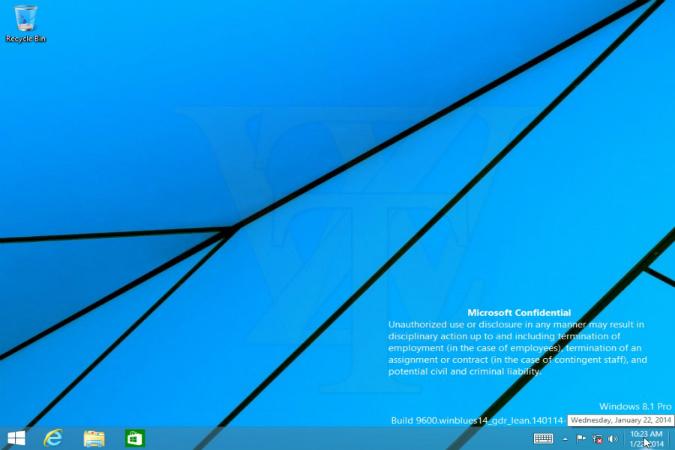
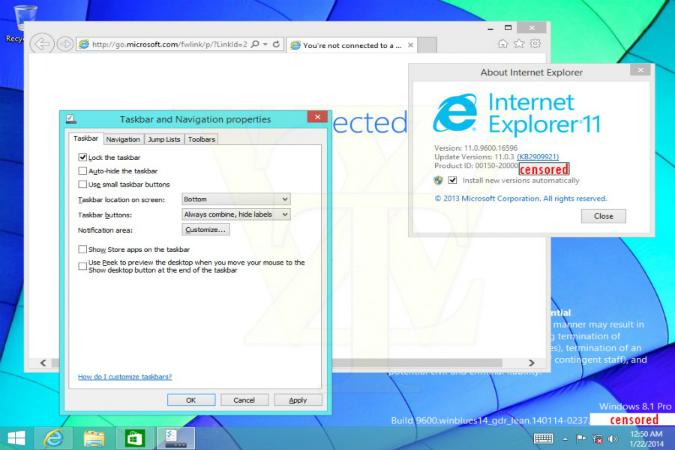
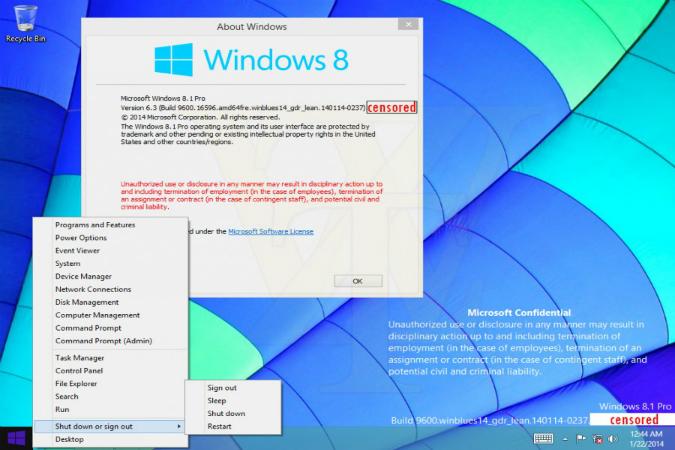
A Russian site by the name of Wzor may have gotten the early scoop on the changes coming in the next significant Windows 8.1 update, which could be released to the public during Microsoft’s developer-focused Build conference. The conference will be held between April 2 and April 4 of this year.
win 8 

Recommended Videos

In the alleged screenshots posted by Wzor, we noticed a button on the Taskbar in the classic desktop UI that appeared to be a button sporting the Windows app store insignia. However, it’s unclear whether the app store would run within the desktop UI, or simply take you back to the tiled Metro/Modern interface and run there. Microsoft is allegedly chipping away on the idea already, looking to make non-desktop apps accessible and usable from the desktop. What isn’t known is if such a feature would appear in this update, a future Windows 8.1 update, or be held back entirely for the launch of Windows 9, which could be released in the middle of 2015.
win 8 3

This begs the question though: if Microsoft is set on making Modern/Metro apps usable from the desktop UI, then why have the tiled interface to begin with? If the purpose of Windows 8 and 8.1 was to get PC users acclimated to the tiled UI and steer them away from the desktop UI that they knew (and loved), giving people the option to use apps designed for that UI within the tried-and-true desktop environment is hardly a vote of confidence for Modern/Metro on Microsoft’s part.
win 8 2

If Microsoft indeed does release a Windows 8.1 update during their Build conference, it’ll be interesting to see what significant changes, if any, will be made to the polarizing OS.

What do you think? Sound off in the comments below.

Konrad Krawczyk
Former Computing Editor
Konrad covers desktops, laptops, tablets, sports tech and subjects in between for Digital Trends. Prior to joining DT, he…
Apple will finally stop making iPhone-to-Windows copy-paste such a chore
Your iPhone may finally copy and paste with a Windows PC like it should
Apple Universal Clipboard feature

Copying something on an iPhone and pasting it onto a Windows PC should be one of the least remarkable features imaginable. While this simple process seems effortless between an iPhone and Mac, Windows users are still left waiting.

Now, Microsoft is formally asking Apple to provide interoperable clipboard access through the company’s European Union interoperability process. The request, submitted on March 25, argues that iOS restrictions prevent third-party platforms from creating an experience comparable to Apple’s Universal Clipboard. Apple has now reached Phase III and committed to developing a solution.

Read more
Chrome wants more extension reviews, but good ratings won’t keep malware out
Google is testing built-in extension review prompts, but good ratings can still hide malware
malicious-google-chrome-extensions-on-web-store

Google is preparing to add extension review links directly inside Chrome, putting feedback closer to the menus people already use to manage their add-ons.

A Chromium change, first spotted by Windows Report, points to review options in the Extensions menu, the chrome://extensions management page, and extension context menus. Only eligible Chrome Web Store extensions in good standing would qualify, and the feature is still under development.

Read more
Passkeys were pushed as a safer future. Hackers have figured out ways to break those synced to Google
Google’s “uncopyable” passkeys may be easier to steal than promised
google-lawsuite-AI-Scams

Passkeys have been pushed as the safer successor to passwords. It promised protection from phishing, credential reuse, and password leaks. Google even claims that it cannot be copied or accidentally handed to someone else. But it might not be as secure as the company wants it to be.

Security researchers (Via BleepingComputer) have now found three ways malware can undermine those promises for passkeys synced through Google Password Manager. The techniques, collectively named Pass-ta-key, target Google Password Manager inside Chrome on Windows computers equipped with a Trusted Platform Module. Every attack requires malware to already be running on the victim’s computer.

Read more