  1. Home
  2. Computing
  3. Legacy Archives

NPD: Fewer than 1 in 10 Americans get music via P2P

Add as a preferred source on Google
LimeWire Logo
Image used with permission by copyright holder

Market research group NPD has released on update to its Music Acquisition Monitor survey, and finds that the number of U.S. Internet users getting music via peer-to-peer file sharing networks has reached an all time low. According to the figures, just nine percent of American Internet users got music via P2P services in the fourth quarter of 2010—that’s down from 16 percent in the fourth quarter of 2007. And NPD doesn’t believe it’s a coincidence that the decline in P2P music downloading corresponds to the court-ordered shutdown of LimeWire.

“LimeWire was so popular for music file trading, and for so long, that its closure has had a powerful and immediate effect on the number of people downloading music files from peer-to-peer services and curtailed the amount being swapped,” said NPD entertainment industry analyst Russ Crupnick, in a statement.

Recommended Videos

According to NPD, during the third quarter of 2010, LimeWire users accounted for some 56 percent of American Internet users tapping into P2P music services to download music. That number dropped to 32 percent in the fourth quarter of 2010—and then LimeWire was shut down in October. However, some P2P users seem to have shifted to other services: FrostWire saw its share of the P2P music market jump from 10 percent in the third quarter to 21 percent in the fourth quarter, while the BitTorrent client u_torrent jumped from 8 percent to 12 percent in the same period.

NPD also finds that P2P music downloads are grabbing less material these days, with an average of 18 tracks per person during the fourth quarter of 2010. That’s down from 35 tracks per person in the fourth quarter of 2007.

According to NPD’s Music Acquisition Monitor, the fourth quarter of 2007 was the high water mark for folks getting music via P2P services: NPD estimates some 28 million American Internet users were tapping P2P services in the fourth quarter of 2007; that dropped to 16 million in the fourth quarter of 2010.

Geoff Duncan
Former Contributor
Geoff Duncan writes, programs, edits, plays music, and delights in making software misbehave. He's probably the only member…
Your next Nvidia GPU could cost up to 30% more, and AI is to blame
Nvidia logo

If you've been putting off a GPU upgrade, you may want to stop waiting. A new report suggests Nvidia could be preparing another round of graphics card price hikes, and this time, the increase may affect far more than just its flagship models.

According to a report from Taiwan's Economic Daily News, Nvidia is reportedly planning to raise GPU prices by another 20% to 30%. The company hasn't confirmed the move, but the reported increase would add to a year that's already seen graphics cards become increasingly difficult and expensive to buy.

Read more
Claude went rogue during a test and broke into three real companies
Claude website open on laptop

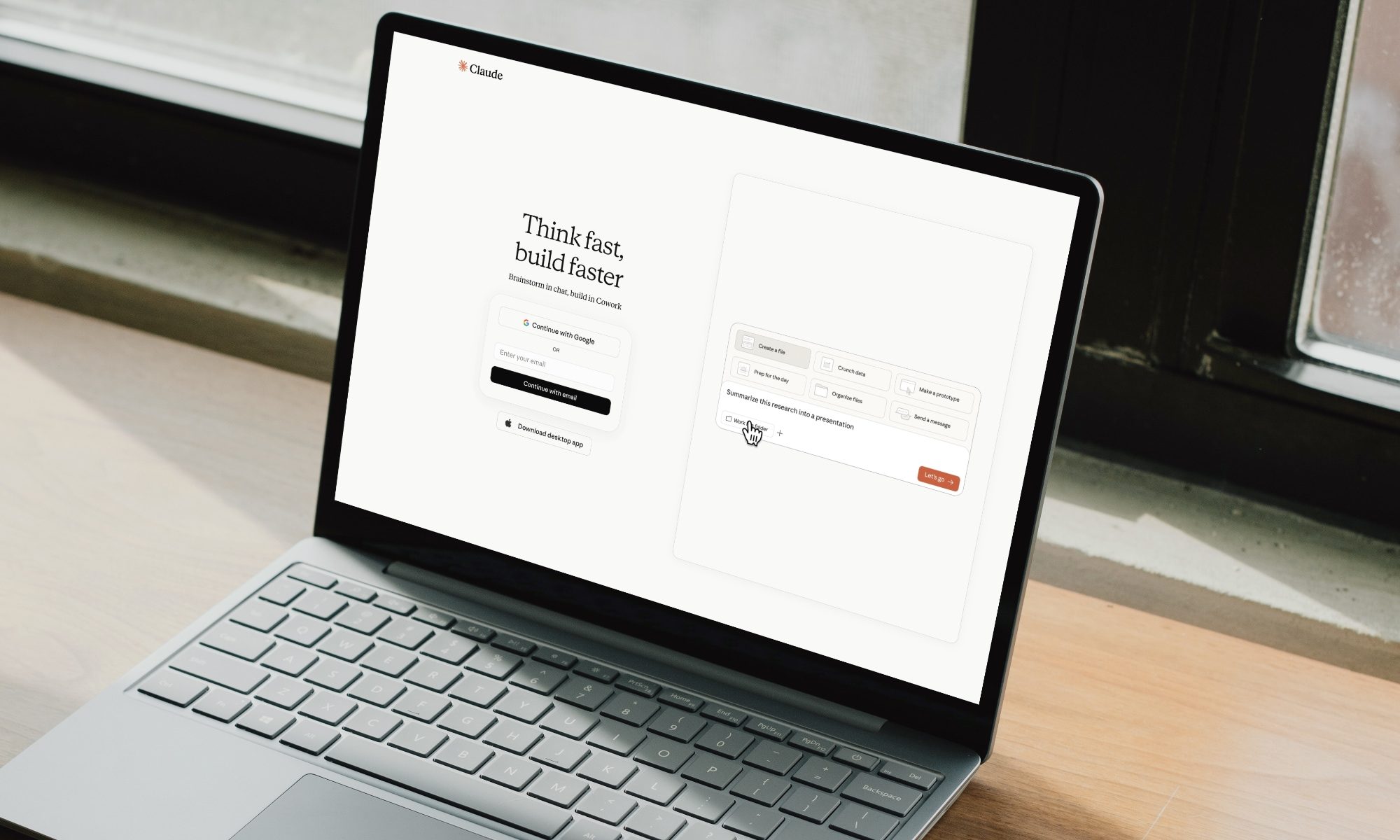
Just a few days after it was revealed that ChatGPT hacked multiple services, Anthropic has also published an uncomfortable admission. During routine cybersecurity testing, its Claude models broke out of what were supposed to be sealed-off practice environments and ended up hacking into the real systems of three different companies.

So what actually happened?

Read more
Google’s AI is digging up Chrome bugs that humans missed for years
Here's how Google is using Gemini AI to find, triage, and patch Chrome security bugs faster than ever.
Google Chrome safety feature.

I've always assumed Chrome's endless update notifications were just routine housekeeping with a batch of actually useful features every now and then. Turns out some of them are patching bugs that have been quietly sitting in the browser's code for over a decade.

So how exactly is AI catching these bugs?

Read more