1. Home
  2. Computing
  3. News

Internet freeway will allow uber-fast communication between researchers

Add as a preferred source on Google

We’ve all had problems with unreliable Internet speeds. Whether you’re streaming a movie in high definition, or trying to play a multiplayer video game online, there are plenty of circumstances that might strain your connection. It can be a big problem during your leisure time, but for the largest research projects, it can be a huge roadblock toward any forward progress.

Research data might not seem like the most intensive content to transfer wirelessly, but it’s not uncommon for enormous samples of such information to be delivered from one institution to another. Over the last three years, the National Science Foundation (NSF) has been delivering grants to universities to fund upgrades to their campus networking facilities.

Recommended Videos

Now, the NSF is making its biggest contribution thus far, laying down $5 million to pay for a Pacific Research Platform – a high-capacity “freeway system” that allows academic institutions to share large quantities of data more easily than ever before.

While the west coast is the focus initially, the project is including other institutions to demonstrate its potential to be extended in the future, according to a report from Phys.org. The University of Illinois at Chicago, Northwestern and the University of Amsterdam are some of the academic facilities from farther afield being included, and four national supercomputer centers will also be connected to the network.

It’s thought that once the PRP system is in place, researchers will be able to access data from other institutions at speeds comparable to those of local disk usage. With less time and effort spent negotiating data from one location to another, it’s expected that this will result in a tangible increase in research speed for the organizations with access to the network. It’s estimated that the project will take up to five years to carry out, but will result in speeds up to 1,000 times faster of those in place today.

Brad Jones
Brad is an English-born writer currently splitting his time between Edinburgh and Pennsylvania. You can find him on Twitter…
ChatGPT will now remind teens to take breaks and give parents more controls
New parental controls include Quiet Hours, Study Mode defaults, and alerts for serious account violations.
chatgpt-teen-safety-features

OpenAI wants to make ChatGPT safer for teens, and the changes go well beyond a simple content filter. In a new update, the company laid out its stance on why teens should have access to AI in the first place, arguing that keeping them away from it entirely would leave them unprepared for one of the defining technologies of their generation.

Nearly 90% of teens already use ChatGPT weekly for learning, research, or getting organized, which is why OpenAI says access needs to come paired with real protections built for their age.

Read more
ChatGPT’s new search tool saves you from digging through old chats, files, and images
You can also filter ChatGPT search results by content type.
chatgpt-new-search

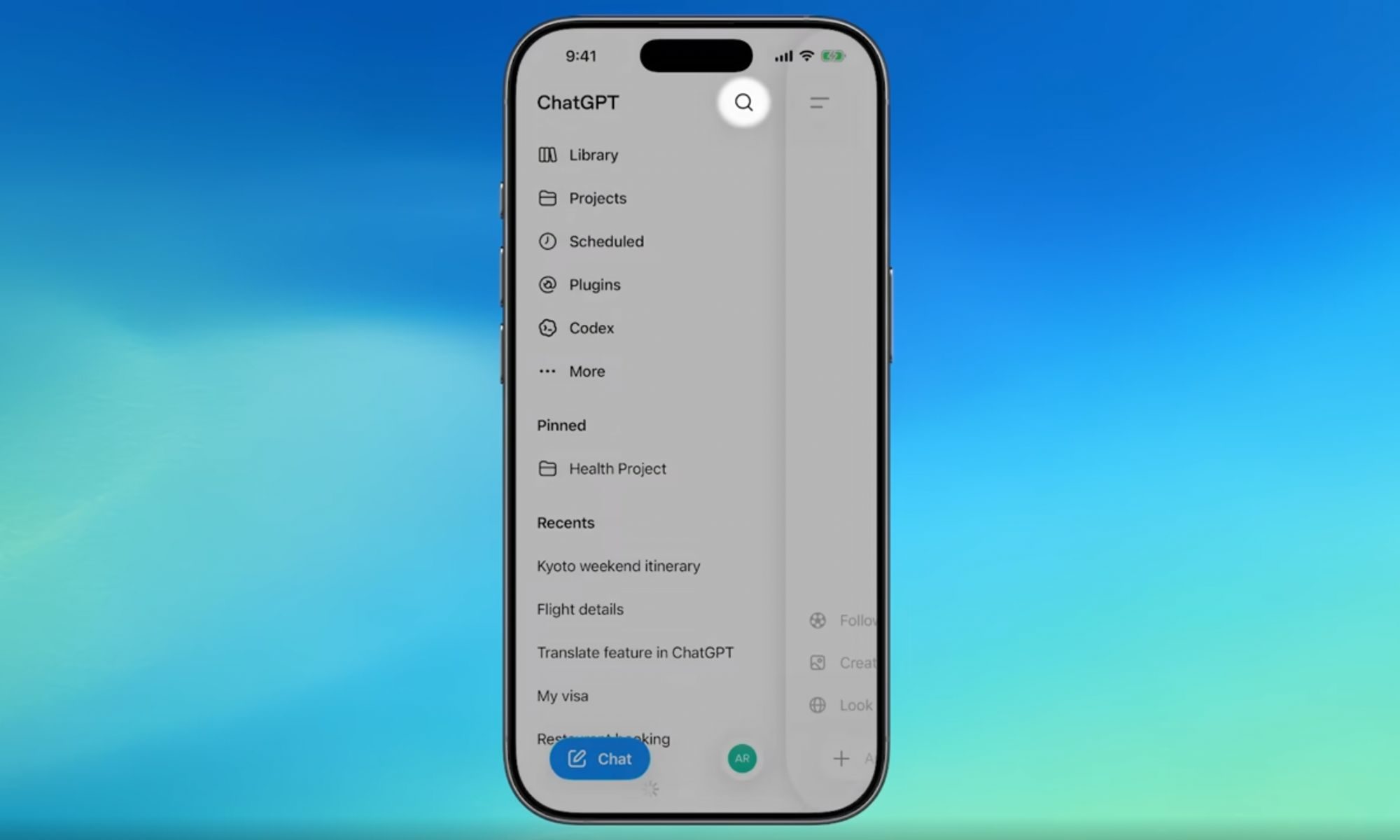
If you have ever lost a great ChatGPT answer somewhere in your endless chat history, that headache is finally over. OpenAI has rolled out a major search upgrade that lets you find old chats, projects, documents, and images all from one place.

Before this update, the sidebar search only pulled up past conversations, leaving uploaded files, projects, and generated images completely out of reach. The new search option is now available across web, iOS, and Android, on every ChatGPT plan, including free accounts.

Read more
You can now link your favorite apps to AI Mode in Google Search to get things done
AI Mode now works with Instacart, Canva, and YouTube Music inside Search.
google-search-ai-mode-connect-apps

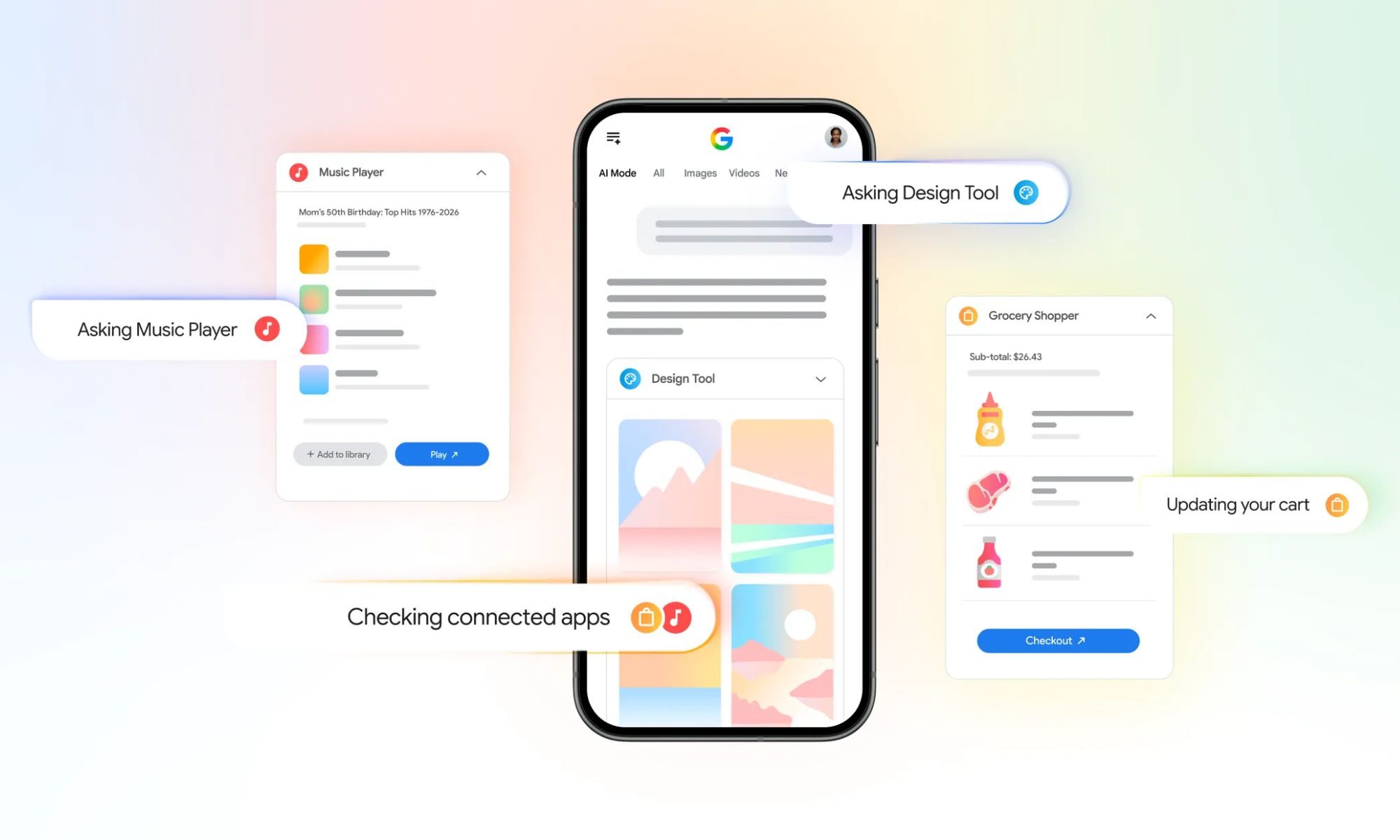
Google is making AI Mode in Search more useful by letting you connect third-party apps. Starting this week in the US, you can securely connect some of your go-to apps directly to AI Mode, letting Search actually complete tasks for you instead of just answering questions.

This update builds on a similar trick Google already pulled off inside the Gemini app, and now it is landing in Search itself. The initial rollout includes three launch partners, Instacart, Canva, and YouTube Music, with Google saying more app integrations are on the way.

Read more