1. Home
  2. Computing
  3. News

Digital Trends may earn a commission when you buy through links on our site. Why trust us?

The Oculus Rift was never going to include Touch controllers at launch, Luckey says

Add as a preferred source on Google

The HTC Vive and PlayStation VR are both set to feature new controllers that are able to track hand movements, making for a more immersive virtual reality experience. The Oculus Rift, however, will not include these kinds of controllers until later in the year. Why? Well, because the company wanted to focus on the games for the headset first.

Palmer Luckey, Oculus’ founder and inventor, recently gave an interview discussing the fact that the Oculus Rift won’t launch with Touch controllers, suggesting that instead he wanted users to control games with what they’re used to — gamepads.

Recommended Videos

“We never planned on launching Touch with Rift,” Luckey said in an interview with Ars Technica. “We’re going to have a really great Touch lineup later in the year, but we really wanted to focus on the games people have been working on for years with gamepads right now.”

Oculus Rift
Image used with permission by copyright holder

The decision is a diversion from what other companies are doing, but Luckey certainly seems to have his reasons. According to Luckey, he didn’t want to push Touch controllers onto consumers and consequently raise the price of the Oculus Rift package, because consumers might not even want Touch controllers yet. Additionally, Touch controllers will only be compatible with a handful of games at launch, making them useless for users who don’t have those games.

Related Offer: See Oculus Rift virtual reality headset and desktop Bundles here

Still, the lack of Touch controllers will be a big omission for some users, especially because it will greatly add to virtual reality the experience. Instead of simply being able to reach into the virtual environment, users will have to control games with traditional gamepads.

According to Luckey, the “launch” of the Oculus Rift will take multiple years. Sure, the first headsets will ship in just a few weeks, but consumer adoption isn’t going to be immediate, and the hardware being released will reflect that. Even when Oculus’ Touch controllers are released, it will take some time for consumers to get used to them and start using them easily. That may give other companies a competitive edge in the meantime, but Oculus thinks that exclusive content and the hype surrounding its headset will help alleviate that.

Christian de Looper
Christian de Looper is a long-time freelance writer who has covered every facet of the consumer tech and electric vehicle…
TSMC might set up a price hike that could come straight for your next phone, laptop, or tablet
Here's what TSMC's rumored 10% chip price increase actually means in dollar terms, and why your next phone or laptop could end up costing more.
TSMC Fab

My wallet flinched the second I saw the words "TSMC" and "price increase" in the same headline, and honestly, yours should too.

Turns out the company behind the silicon powering basically every flagship device out there, including Apple’s A-series and Qualcomm’s Snapdragon processors, is reportedly about to make all of it a little pricier.

Read more
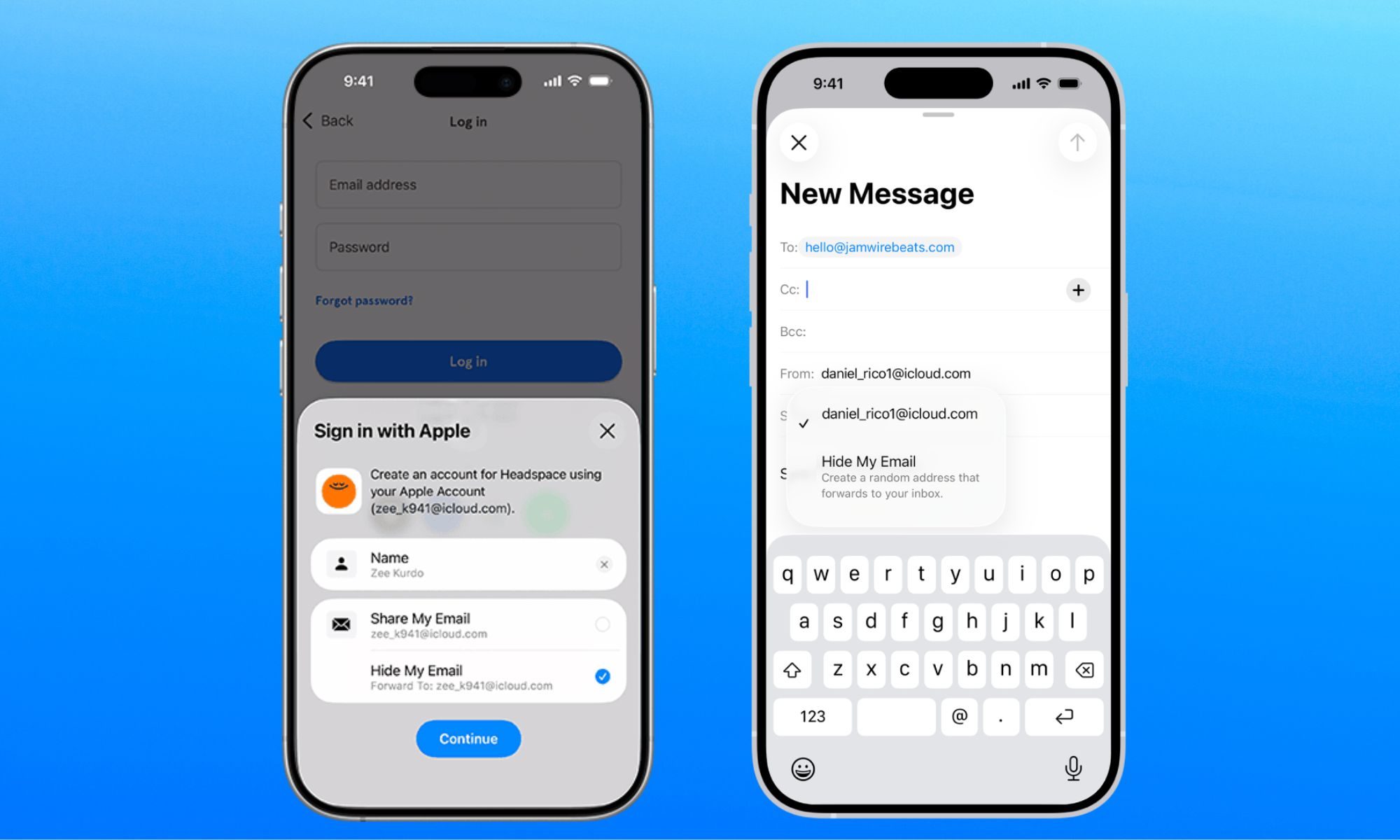
Apple fixes Hide My Email bug that exposed users’ real email addresses
Here's how Apple's Hide My Email flaw leaked real addresses for over a year, and why it only got fixed once the story went public.
apple-merging-sign-in-with-apple-hide-my-email-icloud+

Turns out the "Hide" part of Hide My Email wasn't doing its job quite as advertised, something that I covered early in July. Security researcher Tyler Murphy reported the flaw in June 2025, but despite Apple claiming it was resolved in March 2026, independent tests confirmed it remained exploitable, at least until July 3, 2026.

So how did this bug actually work?

Read more
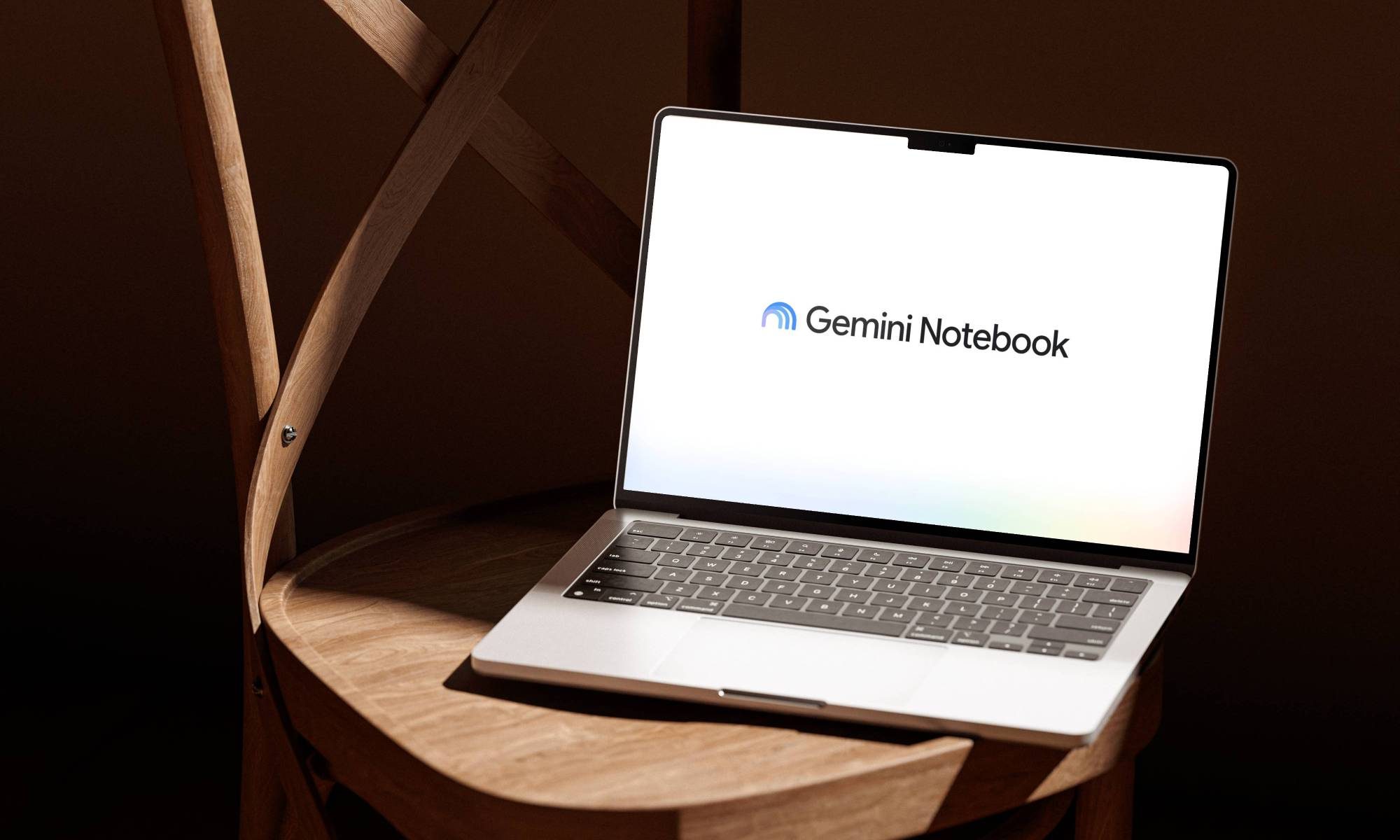
Gemini Notebook’s new Collections arrive just as Google turns it into a bigger workspace
Google is cleaning up notebook organization as the former NotebookLM expands across Gemini and Search
Gemini Notebook branding on a MacBook

Google has barely finished renaming NotebookLM, and it’s already addressing one of the headaches that comes with building a large research library.

Collections are rolling out to all Gemini Notebook users, giving them a way to group related notebooks while keeping everything visible under My Notebooks. The dashboard gets some structure without asking users to rearrange the library they’ve already built.

Read more