1. Home
  2. Computing
  3. Legacy Archives

Samsung’s new 850 Evo blows away competitors with V-NAND, TurboCache

Add as a preferred source on Google

Looking to put a new solid state drive in your desktop or laptop this holiday season? You’re in luck, because Samsung has just announced its new 850 Evo hardware.

This new SSD combines Samsung’s 3-bit 3D Vertical NAND, or V-NAND, with its latest controller technology to build drives in 120GB, 250GB, 500GB and 1TB capacities. At launch all drives will be in the 2.5″ SATA form factor. You’ll have to wait until after the holidays to grab an mSATA or M.2 version. Read speeds are quoted at up to 540 megabytes per second and write speeds are up to 520MB/s.

Recommended Videos

The EVO lineup slots below the already released 850 Pro and is designed to offer strong performance at a lower price. Early reviews indicate that it’s successful in this goal, providing speeds similar to the Pro series overall. Of particular note is the speed of the smaller drives. In the past, SSDs with small capacities (such as 120GB) have often suffered a substantial performance penalty compared to their larger brethren. Samsung’s TurboCache, a feature first introduced by the preceding 840 Evo, largely solves this problem.

With that said, the smaller capacities are still relatively expensive, with 120GB models starting at $100. The 250GB version is $150, 500GB goes for $270 and 1TB goes for $500. That means, of course, that cost-per-gigabyte goes down as the size goes up; the largest drive is about 40% cheaper per gigabyte than the smallest. Sure, the Evo is less than the Pro, but it still doesn’t qualify as a budget option.

If you can afford it, Samsung’s new 850 Evo looks like a strong choice. Look for the drive to start appearing at retailers in the United States, Europe and Asia later this month.

Matthew S. Smith
Matthew S. Smith is the former Lead Editor, Reviews at Digital Trends. He previously guided the Products Team, which dives…
Topics
Study says relying on AI can turn doubt into false confidence
AI is making it harder for people to say "I don't know."
AI Chatbot

You'd think getting wrong advice would make you more cautious. New research says the opposite happens when that advice comes from AI. A study led by Valerio Capraro, a psychology professor at the University of Milan-Bicocca, found that incorrect AI advice made people less accurate, yet noticeably more confident in their answers (via IBM Think).

The study also found that people who received incorrect AI advice became far less willing to admit they didn't know an answer, even when staying silent was an option, and they were rewarded for accuracy.

Read more
Back-to-school desk upgrade? Start with one of these monitor arms
Whether you're studying, coding, or gaming after class, these are the monitor arms I'd happily recommend.
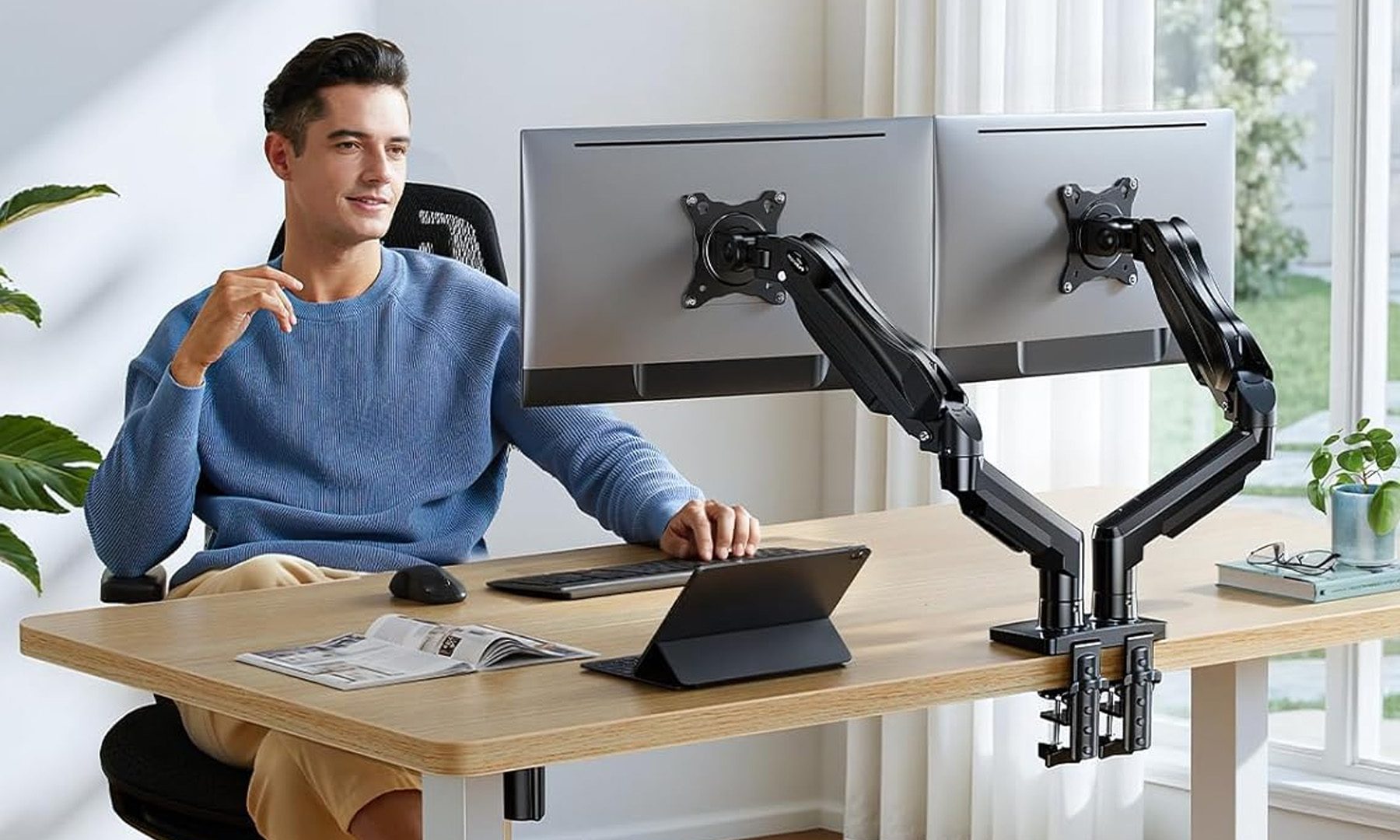
The Best Monitor Arms for Back-to-School That I'd Actually Recommend - HUANUO FlowLift Dual Monitor Stand

Dorm rooms and study desks have one thing in common: they run out of space fast. Between textbooks, notebooks, keyboards, coffee mugs, and laptop chargers, a monitor's stock stand often ends up taking more room than it should. A good monitor arm instantly frees up valuable desk space while also putting the screen at a much more comfortable height, making long study sessions easier on the neck and shoulders. Whether it's a simple single-monitor setup or a dual-screen workstation, these are the monitor arms I'd actually recommend for Back-to-School.

Amazon Basics Single Computer Monitor Stand

Read more
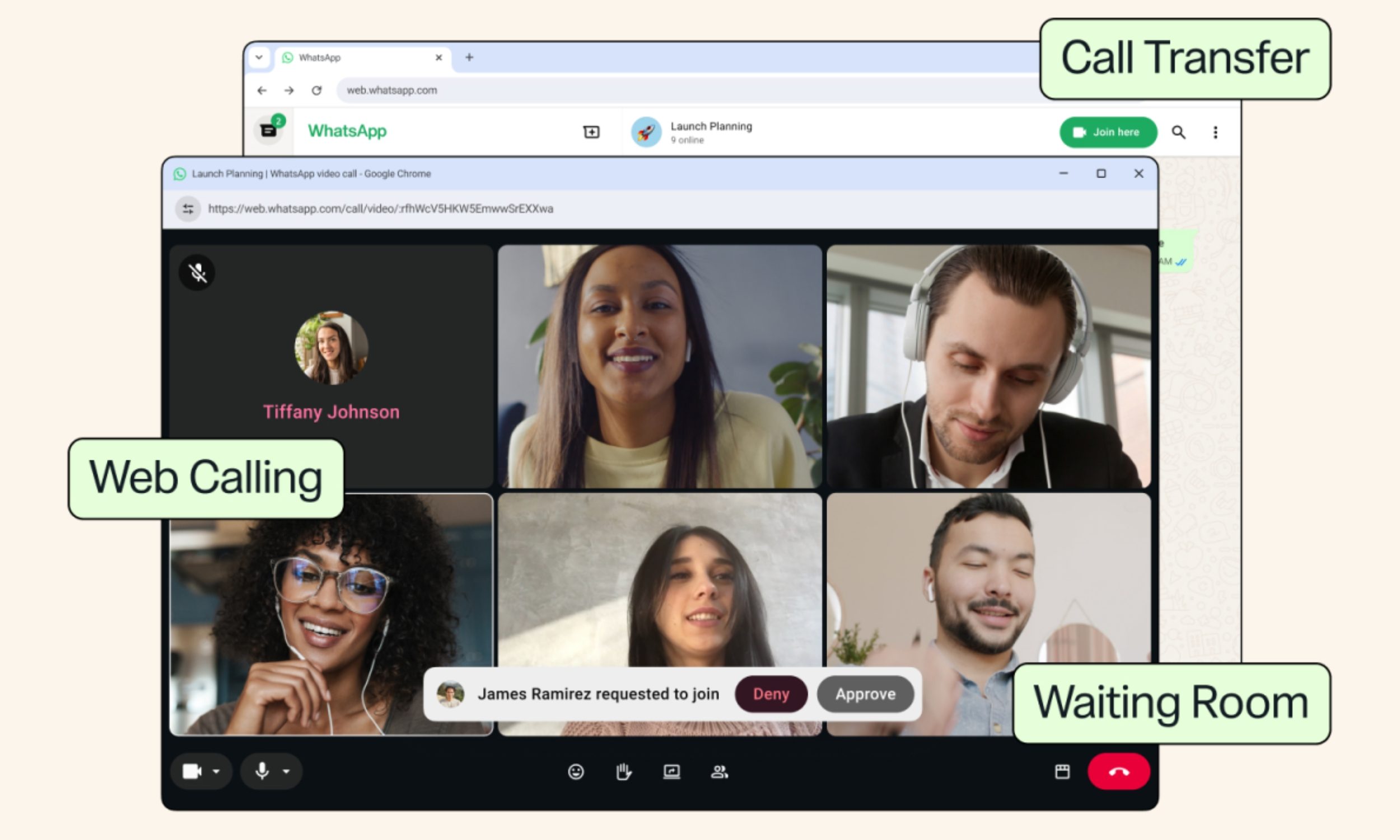
WhatsApp Web finally lets your laptop handle calls instead of forcing you back to your phone
Other new features include Waiting Room, QuickHD, and background Noise Suppression.
Adult, Female, Person

I've lost count of how many times I've had to awkwardly grab my phone mid-task just to take a WhatsApp call my laptop couldn't handle on the web version. Today’s update changes that for good.

So what's actually rolling out today?

Read more