1. Home
  2. Computing
  3. Photo Galleries
  4. Legacy Archives

With 2 pro 4K displays under $1,000, Seiki wants to sneak up on Dell, HP

Add as a preferred source on Google

If you want a professional-caliber monitor for photo or video editing, it’s almost certain you’ve looked at the likes of Dell and HP. Lesser-known display manufacturer Seiki is trying to sneak up on them, however, with two impressive and affordable 4K displays.

The headliner is of course the 40-inch model. Boasting the typical UltraHD resolution of 3,840 x 2,160, it provides significantly more real estate than even 32-inch competitors from Acer and Samsung. That results in significantly lower pixel density, of course, but Seiki hopes the sheer size of it will help you forgive what it lacks in sharpness.

Inputs include two HDMI and two DisplayPort, though only the latter can handle the display at 60Hz. That said, the HDMI ports can be useful when used in conjunction with the 40-incher’s quad picture-by-picture mode, which can display four 1080p desktops from four devices simultaneously. The stand adjusts for tilt and swivels, but does not adjust for height; however, it uses a VESA mount, so a different stand can be swapped in.

Photo credit: Digital Trends / Matt Smith
Photo credit: Digital Trends / Matt Smith Image used with permission by copyright holder

There’s also a 32-inch model that may, in the end, be more practical. It’s virtually identical to the 40-incher in every way except for size. It may prove an attractive budget alternative to Samsung’s excellent but expensive U32D970Q.

Budget is a priority for both models, so they use a Vertical Alignment panel. This technology tends to fall a bit short of the IPS panels the best displays use, but Seiki says it will let them hit a price point of around $1,000 for the 40-incher, which will launch within a few months. The 32-incher’s price is not yet announced, and it will launch in the second half of 2015.


Matthew S. Smith
Matthew S. Smith is the former Lead Editor, Reviews at Digital Trends. He previously guided the Products Team, which dives…
Apple’s 2026 Back to School promo saves you up to $150 on a new Mac or iPad
The exact amount depends on which device you buy, but the offer doesn't apply to all Mac and iPad models.
Apple Back to School 2026 featured

Apple has kicked off its 2026 Back to School promotion, and this year's offer swaps out the free accessory bundle from last year with gift cards. Eligible buyers who purchase a MacBook Pro get a $150 gift card, while a MacBook Air, iPad Pro, or iPad Air earns a $100 gift card. The promotion runs through August 27 in the US, with international versions rolling out on different timelines and, in some regions, different rewards entirely.

Not every device is eligible

Read more
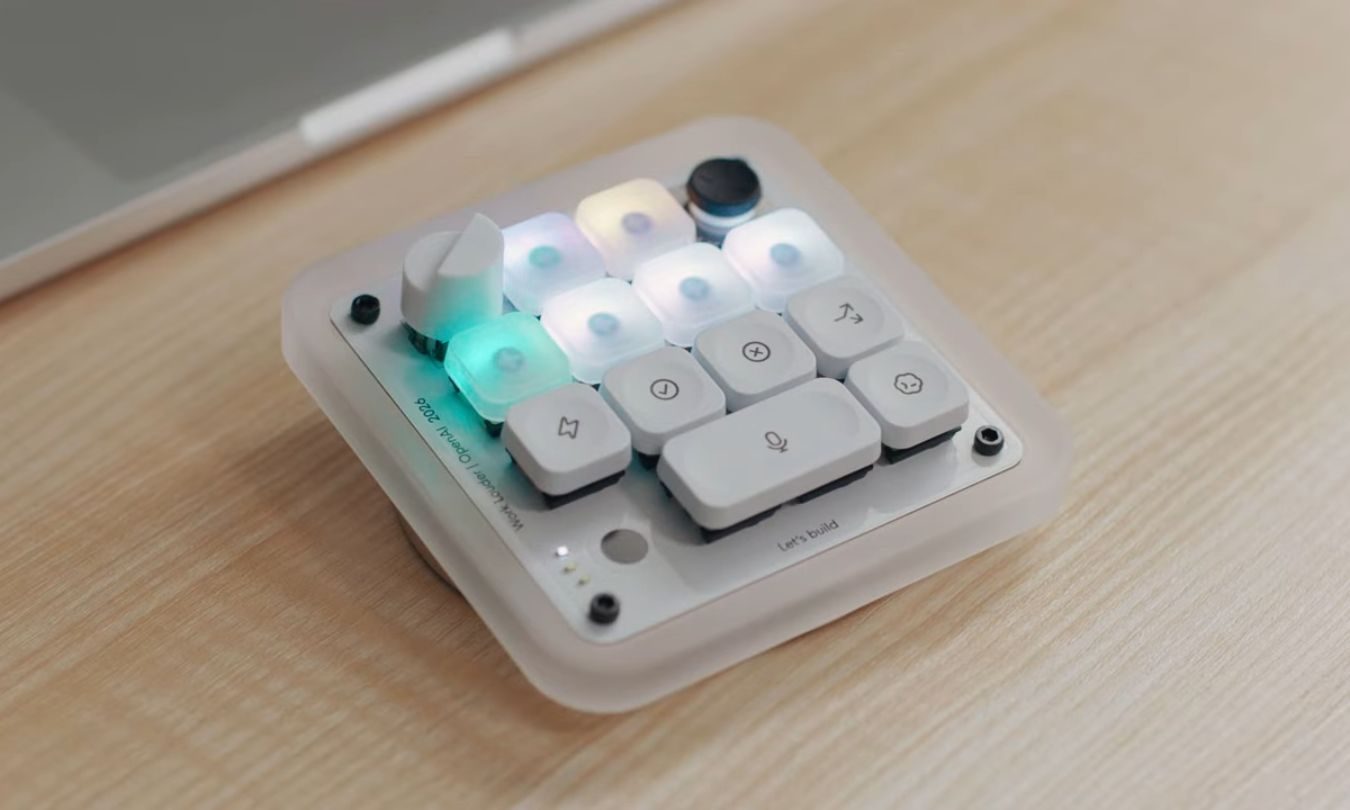
OpenAI made a tiny $230 keyboard that lets you turn up an AI’s brainpower
The Codex Micro puts reasoning settings, agent status lights, and programmable AI shortcuts directly on your desk
Electronics, Phone, Mobile Phone

OpenAI has made a $230 mini keyboard that lets Codex users adjust how hard its AI thinks with a physical dial. The Codex Micro also provides dedicated buttons for launching workflows and checking on active agents without bouncing between chats.

Developed with keyboard maker Work Louder, the compact Mac and Windows accessory connects over Bluetooth or USB-C. OpenAI’s store currently lists it as out of stock, although the company says more units are coming.

Read more
Google rejects alarming report that says its Search AI tools are unsafe for kids
The company says it couldn’t reproduce many of the responses cited and argues that the testing doesn’t reliably measure product safety
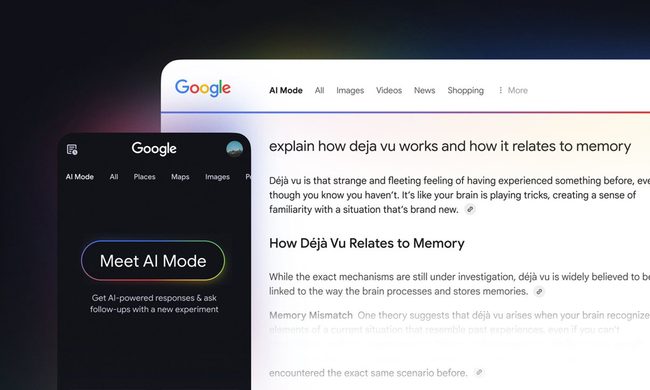
Google AI Mode on mobile and desktop

Google has rejected a new report that labels its AI-powered Search features an “unacceptable risk” for children and teenagers.

Common Sense Media’s Youth AI Safety Institute gave AI Overviews and AI Mode its lowest overall rating. The two tools performed poorly against seven of the institute’s eight AI safety principles and failed every category involving potentially severe harm. Google says those findings came from searches that don’t resemble how people normally use its products.

Read more