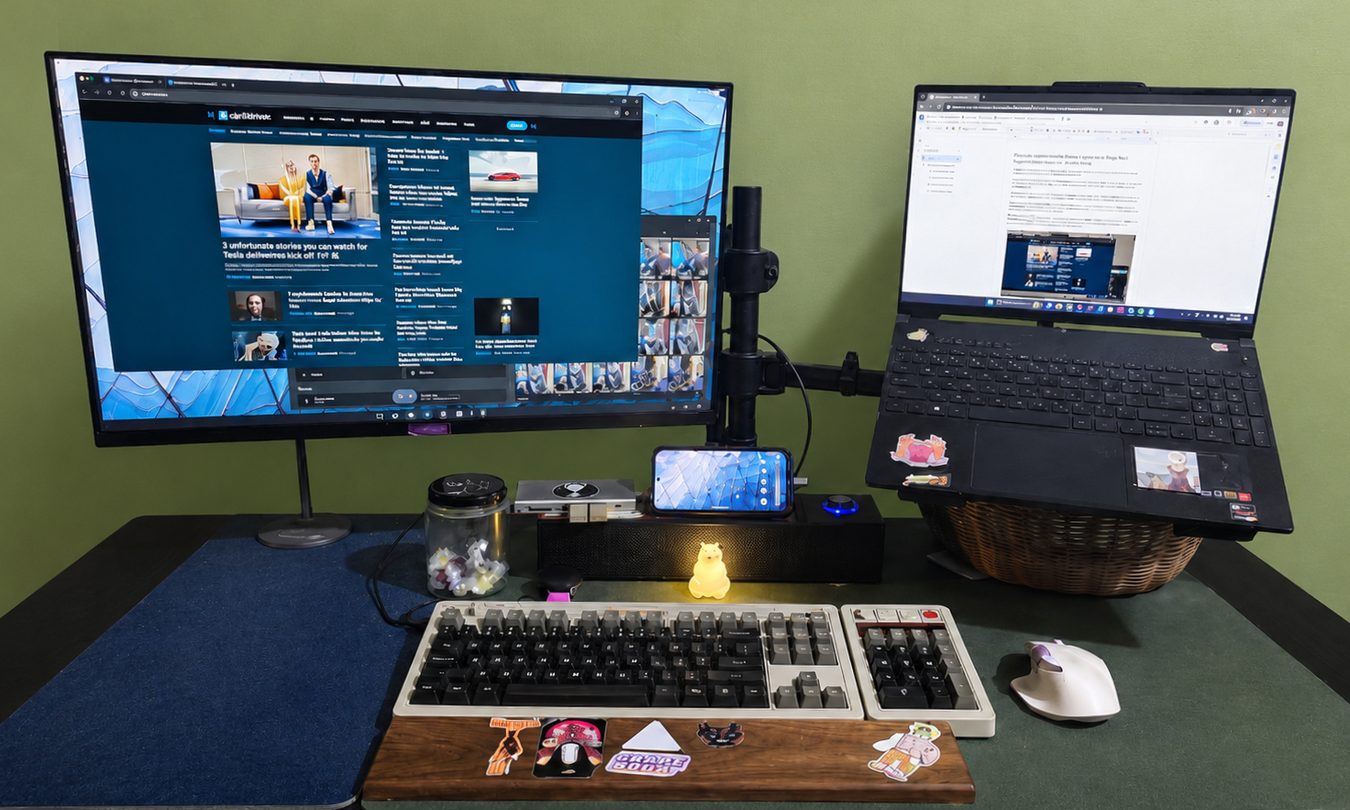
Many of us spend a sizable portion of our waking hours at or near our computers, whether it’s for work, socializing, or entertainment. Practically the only time we’re not using a computer, it seems, is while we’re asleep. But how should your computer face those night time hours? Leaving a computer on all the time can be noisy and distracting due to fan noise, and can cost you in electricity. On the other hand, shutting down and restarting a computer regularly could cause your components to fail earlier.
So what’s the right choice? Should you use a handy shortcut to shut down your computer every night? Or is it better to leave it on all the time to increase its longevity? We spoke to an expert to find out.

What’s the problem?
Cutting the power or pulling the cable without shutting down your computer properly could damage it, but are components at risk from standard shutdowns and startups? What impact is turning that computer on and off having, and how does it compare to leaving it on all the time?
“It depends on how often you use it,” explains Geek Squad agent Steven Leslie. “If you use your computer multiple times per day, it’s best to leave it on. If you use it for a short time — say an hour or two — just once a day, or even less, then turn it off.”
“Leaving a computer on all the time is less stressful than turning it off and on several times a day — but it is constant stress,” added Leslie. “Every time a computer powers on, it has a small surge of power as everything spins up, and if you are turning it on multiple times a day, it can shorten the computer’s lifespan.”
The risks are greater for older computers. A traditional hard disk drive, for example, has moving parts, whereas a solid-state drive doesn’t and is far more robust as a result. Mechanical parts will fail eventually, and using them constantly will inevitably wear them down. Computers also heat up when they’re on, and heat is the enemy of all components.
“Some items have a limited life cycle. For instance, if the [LCD] panel is left on all the time, it’s only specced for about 15,000 hours or about two years. For this reason, it’s good to let the panel time out and turn off when not being used,” says HP’s Ajay Gupta, director of Notebook Product Management and Commercial PCs. “The battery and hard drive also have a limited life cycle. Allowing them to turn off (or sleep) and spin down when not being used will extend the life of these components.”
The real reasons to leave it on or turn it off
There’s still debate about the impact of shutting down and starting up modern components. To many, the very concept that shutdowns and startups create extra stress is dated. Putting that argument aside, there are some solid reasons for leaving it on or turning it off that aren’t up for debate.
Reasons to leave it on
- You’re using the PC as a server, or you want to access it remotely.
- There are background updates, virus scans, or other activities you’d like to occur while you’re away.
- You never want to wait for it to start up.
Reasons to turn it off
- Leaving it on wastes electricity and can slightly increase your power bill.
- You don’t want to be disturbed by notifications or fan noise.
- Computer performance generally benefits from an occasional reboot.
Sleep or hibernate?
“Sleep is fine because it puts the computer into a low power state without turning it completely off,” said Leslie. “In hibernate, your computer stops using power and resumes where it was when you put it in that mode. Hibernate is a less desirable option because it produces wear and tear that is similar to start and stop.”
If you’re going to leave it on all the time, make sure that you check out the Sleep option in the Power menu. You could save a lot of power with no real downside.
Looking after your PC
Millions of PCs end up on the scrap heap every year. Shouldn’t we try to squeeze a little extra life out of our desktops by taking better care of them?
“Always use a surge protector,” suggests Leslie. “For the best lifespan, get an uninterruptible power supply (UPS), which is a battery-backed-up surge protector. These help condition power to even it out, preventing power spikes that can lower the lifespan of your computer’s components.”
Dirty computers don’t run as cool or as long as their clean counterparts. Open your case every so often and use canned air to blow out any dust or debris. Apart from physical cleaning, you can also keep your hard drive clean. Don’t let unused files idle, and get rid of software you don’t use anymore.
Should you turn your PC off at the wall at night?
One strange piece of advice you’ll see in some places is that you shouldn’t just turn your computer off at night using the system shutdown, but that you should also turn it off at the wall. There’s no reason to do this, especially if you have a surge protector which will ensure that even if there is an interruption of power, your components won’t be affected. It’s just an unnecessary hassle to both turn a computer off and to go over to the socket to turn it off there as well.
In fact, you should be careful to avoid turning your PC off at the wall. If you pull the plug on your PC while it’s still on, it’s possible that you could lose data or even create an electrical short which could damage your components. A lot of software these days has recovery options, so even if you turn your computer off without saving your work it still might be possible to retrieve it when you power it back on. However, if you turn the power off at the socket then it’s unlikely that you’ll have any recovery options to fall back on.
If you’re using a Windows PC and you unexpectedly lose power — such as because there’s a power cut of because you have turned it off at the wall — then when your PC reboots, it’ll typically go into safe mode to ensure you can access the basic essentials without problems. You might even see a warning screen about Windows needing to restart because it did not load correctly, which can be due to hard drives risking data loss by not being shut down correctly.
Generally speaking, both PC hardware and software have gotten a lot better at recovering from unexpected shutdowns in the last 10 years, so this isn’t as much of a problem as it used to be. But err on the safe side and avoid yanking the power from your PC unexpectedly to avoid the chance of damage or data loss.
The final word
“If you use your computer more than once a day, leave it on at least all day,” said Leslie. “If you use it in the morning and at night, you can leave it on overnight as well. If you use your computer for only a few hours once a day, or less often, turn it off when you are done.”
Everyone’s situation is unique. Your computer usage ultimately determines whether you should turn your computer off and when.