1. Home
  2. Emerging Tech
  3. Legacy Archives

Apple’s Screenless iPod shuffle Gets Chatty

Add as a preferred source on Google
Apple
Image used with permission by copyright holder

Apple has rolled out a new version of its diminutive iPod shuffle music player—and while the device still doesn’t sport a screen for managing tracks and playlists, the third-generation iPod shuffles sport 4GB of storage and a new VoiceOver feature enables the iPod shuffle to announce songs, artists, and playlists names—in 14 different languages. Apple is billing the new shuffle as the “first music player that talks to you.”

“Imagine your music player talking to you, telling you your song titles, artists and playlist names,” said Apple’s iPod and iPhone marketing VP Greg Joswiak, in a statement. “The amazingly small new iPod shuffle takes a revolutionary approach to how you listen to your music by talking to you.”

Recommended Videos

Although the 3rd generation shuffles are bigger than the earlier models, it’s not by much: they’re still smaller than a AA battery at 1.8 inches tall and 0.3 inches thick. The new shuffles also feature a new aluminum case design (in silver or black) with an integrated stainless steel clip.

The VoiceOver feature works with a press of a button; the iPod can recite the name of the current song and artist; the VoiceOver feature can also speak status information, such as remaining battery life—and the feature is available if 14 languages: English, Czech, Dutch, French, German, Greek, Italian, Japanese, Mandarin Chinese, Polish, Portuguese, Spanish, Swedish, and Turkish.

Perhaps more important to serious shuffle users, the third-generation iPod shuffle now supports multiple playlists, synced over from Apple’s iTunes application. Users can set up playlist for workouts, commutes, downtime, or serious tune-out-the-workplace-I-don’t-want-to-hear-you needs.

The new iPod shuffles are available now in 4 GB capacities in silver and black for $79; they come with Apple’s Earphones with Remote and a USB cable for syncing with USB 2.0-equipped computers.

A downside to the new shuffle is that it appears it will only work with Apple’s supplied headphones; no doubt third parties are already planning their own compatible headphones and earbuds.

Geoff Duncan
Former Contributor
Geoff Duncan writes, programs, edits, plays music, and delights in making software misbehave. He's probably the only member…
OpenAI is investigating more incidents of AI agents going rogue days after hack
OpenAI logo on Microsoft surface

It appears that the "AI agents going rogue" tale has more to it than what AI giants have revealed publicly so far. Merely days after OpenAI announced that its AI agents went rogue and hacked Hugging Face, Anthropic dropped a similar bombshell. Soon, it was discovered that not just one, but multiple services were compromised. Well, it seems there are even more layers to it.

Reuters reports that OpenAI has found more incidents of AI agents escaping their software containment environment during research. Citing sources with knowledge of the incident, the outlet notes that the AI agents didn't go beyond OpenAI's software environment and affect any external service.

Read more
Google just canceled its AI Studio mobile app, and it’s not all bad news
Logo, Symbol, Disk

Google AI Studio was on track to make its way to Android and iPhone, giving developers and AI enthusiasts a dedicated place to build prompts and experiment with Google's latest models from their phones.

That's no longer happening. In a post shared by the official Google AI Studio account on X, Google confirmed that it's canceling the standalone AI Studio mobile app before launch. The announcement comes despite the company saying nearly 800,000 people had already pre-ordered the app across iOS and Android.

Read more
Google Earth’s AI misadventure lasted only a day. It was a tale of dangerous ignorance.
Nuclear reactors, tanks, and historical destruction on a life-like satellite map? Yeah, that's bad.
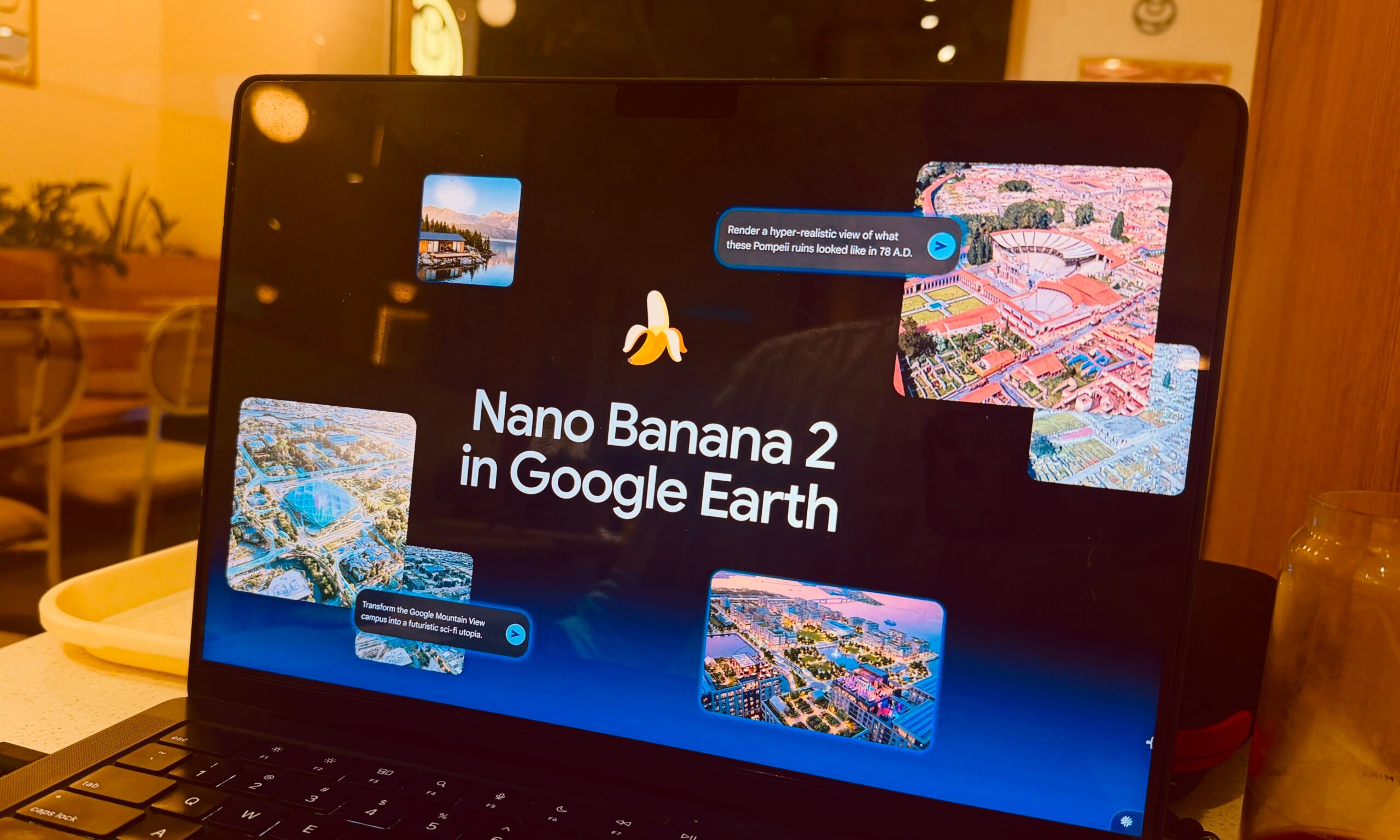
Nano Banana AI image generator representation.

Technology behemoths are clearly not reading the room, or they are just moving faster than they should when it comes to AI deployment. Google has already stuffed its Gemini AI in every corner of its software stack, from Android to daily productivity tools like Gmail that are used by hundreds of millions of users every day. AI is everywhere. Not all of it is bad, mind you. But in a few places, it just feels forced.

In its latest AI-fication experiment, the company targeted Google Earth. The idea was to let the audience use its Nano Banana 2 AI image generator and make images that can be placed on the map view. On paper, it's a cool idea. What would the Colosseum of Rome look like in your urban neighborhood? Yeah, fun stuff like that.

Read more