2013 is quickly becoming the year of the 3D printer. And while it will be a while before we can just waltz into Staples, snatch one up and start printing whatever strikes our fancy, there’s no harm in dreaming about what we may be 3D printing one day down the road. In the mean time, we can still have fun watching what what well-funded entrepreneurial folks come up with – some are already starting to push the envelope. Everything from toys, medical devices, and basic home goods are starting to show up, but so far the consumer electronics category has been rather underserved. That may be about to change, though.
Turntable manufacturer, VPI, can lay claim to having produced the world’s first tonearm to be made with a 3D printer. The company is showing it off in operation at the New York Audio Show this weekend in case you’re in the area and want to check it out. It takes over a day to make just one sample, and the initial cost for the 10-inch tonearm is going to be at least $5,000 – possibly limiting its appeal to all but the most die-hard of audiophiles.
That’s a good start. But what about something a little more mainstream? Something that would really catch some eyes out on the street. How about headphones?
Given that headphones are the best-selling category of consumer electronics in the US, we think it makes an ideal candidate for 3D printing, even if the effort will require some elbow grease. In fact, this could be a killer D.I.Y for anyone with access to a 3D printer and the parts to assemble the drivers and internal wiring. Maybe we’re looking at a viable Kickstarter project?
J.C. Karich thinks so. He’s taken the initiative and actually built a pair, and we hope it’s going to inspire others to do the same. Karich has uploaded his plans here – we’re almost inclined to try this ourselves.
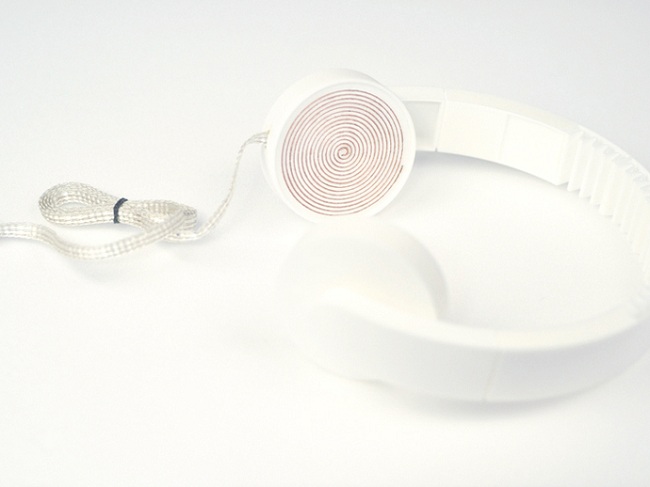 The hardest part of the project involves the manufacture of the drivers. But if you can sort that out, Karich claims his design not only works, but sounds quite good when paired with a headphone amplifier. A smartphone or tablet should have enough juice to drive these, but if you’re going to go through the trouble to 3D print some headphones, why not go all the way?