

The swarmageddon is upon us. In case you haven’t heard, the eastern regions of the United States are bracing themselves for a cicadas invasion that’s 17 years in the making.
According to Radiolab at New York Public Radio, cicadas will arrive when the soil eight inches below the ground reaches a steady temperature of 64 degrees Fahrenheit. This puts the estimation at any time between May and June, depending on your geographic location. The swarmageddon is expected to affect regions as south as the Carolinas and northward to New York City. This particular group known as the Brood II has not surfaced since 1996 to keep predators off their game, but now it’s time for the bugs to come out and make new generations.
Although cicadas will not physically harm you, they will be absolutely obnoxious. Prepare for your cars to look like a crime scene after a quick drive home. Wear dark sunglasses as the sight of these thumb-sized bugs may induce nightmares. Cover your ears if you don’t like buzzing noises. It’s in cicadas’ nature to make loud mating calls, and you’ll have to learn to live with their cycle of life. Or do you?
If the idea of cicadas roaming about your home creeps you to the core, we’ve got some gadgets to help cicada-proof your home as best as possible. For those not residing in the northeast, no worries, many of these also apply to pesky insects set to swarm the summer. Let’s get ready for a buzzkill.
Cicada Tracker Sensor (Free, or $80)
Before you plan the attack, you have to know when the troops are arriving. This DIY Arduino-based Cicada Tracker can help those at home map the invasion. The sensors are designed to track below ground temperatures and calculate the cicadas’ arrival in your local region so you can get the most hyper-local information.
The Radiolab Cicada Tracker website offers lots of crowdsourced data on where people have spotted cicada armies, so technically you don’t have to build a sensor if you don’t want to. But if you’re an at-home tinkerer, by all means help your fellow man prepare for the inevitable.
Solar-powered BugZapper ($70)
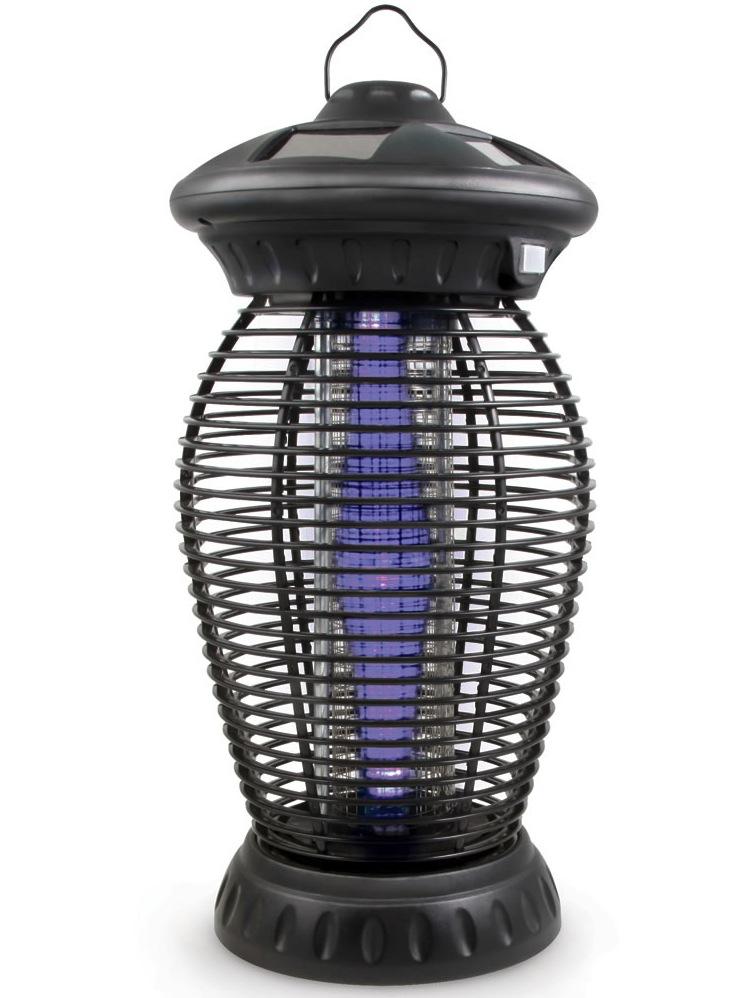 For those who worry about environmental impact but want to kill those pesky cicadas, here’s a gadget that’ll marry both wishes. This solar-powered BugZapper runs without requiring a power outlet, and uses sunlight to activate six UV bulbs strong enough to eliminate all insects big and small. Five solar panels at the top of the lamp keeps the BugZapper steadily powered throughout the day, providing eight hours of protection. The lamps can lure insects in a half acre radius, so hang these at your front door or set them flat in your backyard to provide maximum coverage. If you’re going to kill a part of nature, you might as well act responsibly.
Handheld racquet zapper ($15)
 You can’t hide in your house forever, so if you have to go outside, at least carry this protective weapon by your side. Cicadas and other bugs may not be as bouncy as a tennis ball, but this racquet-shaped zapper will at least make mass insect murder feel more… fun. You know, if you get off doing that kind of thing. At the rate these cicadas are swarming your area, don’t even bother waving the bat around – just hold it straight up in the air and watch the electrocutions happen in real-time. Don’t forget a travel size broom and dustpan to clean up the evidence.
Bug-A-Salt Gun ($35)
 If the racquet-shaped zapper doesn’t measure up on the fun factor, then Bug-A-Salt should do the ultimate trick. This successful IndieGoGo campaign turns the concept of pest control into a real life shooter game. Creator Lorenzo Maggiore likens the bug killing spree to any other type of animal hunting, and the toy shotgun proves his point. Just load the Bug-A-Salt gun with table salt, aim at any insect getting in your way, and the pressurized salt bomb should take out the bug with each precise shot. No chemicals, batteries, or risk of electrocution. Better get your aim game on point or you’ll end up in a house covered in NaCl.
BugZooka ($29)
 Alright, so maybe zapping bugs into oblivion or dousing them in salt is a tad too sadistic for your liking. Those poor cicadas are just here to make babies, no need to kill them, right?
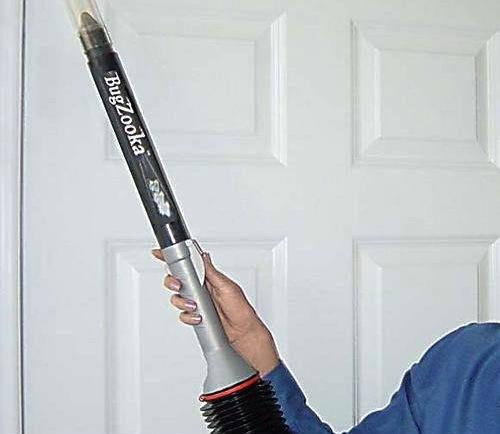
Lucky for you hippies, the BugZooka lets you simply aim, catch and release. The battery-free device lets you push a button to compress air, vacuum insects into the tube, and hit the trigger again to set bugs free. The wand is large enough so you can be far away from the bugs to not feel disgusted, but also close enough to capture unwanted pests. Looks like there is a humane way to do this after all.
Magic Mesh ($15)
 No need to compromise between leaving your windows closed and getting too hot, or leaving it open and letting bugs in. The Magic Mesh is a flexible screen door that lets you come in and out of your home as you please, while the protective screen ensures your door always snaps back close to block insects from entering. The key is within magnets strips between the screen opening which swing back closed when you’re through the door. Not an entirely foolproof way to keep bugs out, but it’s a tad more convenient than sliding doors back and forth every time you need to leave the room – and it’s helpful for your pets to roam without waiting for you to get the door.
King Kooker Outdoor Wok ($73)
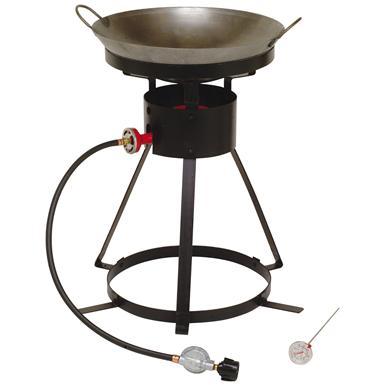 If you can’t beat it, eat it. Maybe that’s not how the saying traditionally goes, but apparently cicadas can be quite tasty. Some have even likened the taste and texture to soft shell crab or “mushy asparagus.“
While we’re not going to personally give this a shot, some “cicadamaniacs” at the University of Maryland have conveniently published a giant recipe book for the many ways one can cook cicadas to fit nearly any taste bud. Cicada tacos, stir-fry, pizza, cookies – this book’s got it all. For you adventurous eaters, just get your outdoor wok hot, catch the bugs, and toss ’em in. Bon appetit!


