1. Home
  2. Emerging Tech
  3. Smart Home
  4. Legacy Archives

Electronic pillbox sends text message reminders to take your pills

Add as a preferred source on Google
medfolio electronic pill box
Image used with permission by copyright holder

Mentioned on Chipchick earlier this week, the MedFolio electronic pillbox utilizes LED lights and notification alerts to help the elderly keep track of their medications each day. Also an excellent idea for anyone with chronic illnesses, the large container is built with four separate, plastic bins for each day of the week designed to represent a specific dosing time. Specifically, the four boxes are labeled morning, noon, evening and bedtime. When it’s time to take a new batch of pills, a LED light will glow underneath a specific bin and will remain activated until the user removes the pills from the container.

medfolio mobile laptopIn addition to audio alarms emanating from the MedFolio electronic pillbox, the device can send email or text message reminders notifying someone to take their pills. This could be useful for anyone that lives in a large home or is simply away from the pill box for a short period of time.

Recommended Videos

On the underside of the lid covering the twenty-eight pill boxes, MedFolio has included a place to display printed descriptions of the pills in addition to clear boxes to store visual samples of what each pill looks like. This can help users keep track of what each pill is designed to do and avoid any type of overdose from a specific medication.

Later this year, MedFolio plans to launch a wireless-enabled version of the pill box that will sync usage data over a Wi-Fi home network. After data is synced to a secure server, authorized users will be able to check to see if pills are being consumed at the right time. Conceptually, this would allow concerned family members to check up on elderly relatives that live on the other side of the country. If a family member notes that pills are being skipped for any reason, they can alert medical professionals in the area if needed. 

Mike Flacy
By day, I'm the content and social media manager for High-Def Digest, Steve's Digicams and The CheckOut on Ben's Bargains…
Robots can now ‘see’ touch thanks to a new color-changing tactile sensor
Researchers have developed a color-changing tactile sensor that turns pressure into visible information.
Robot Touch Human Finger

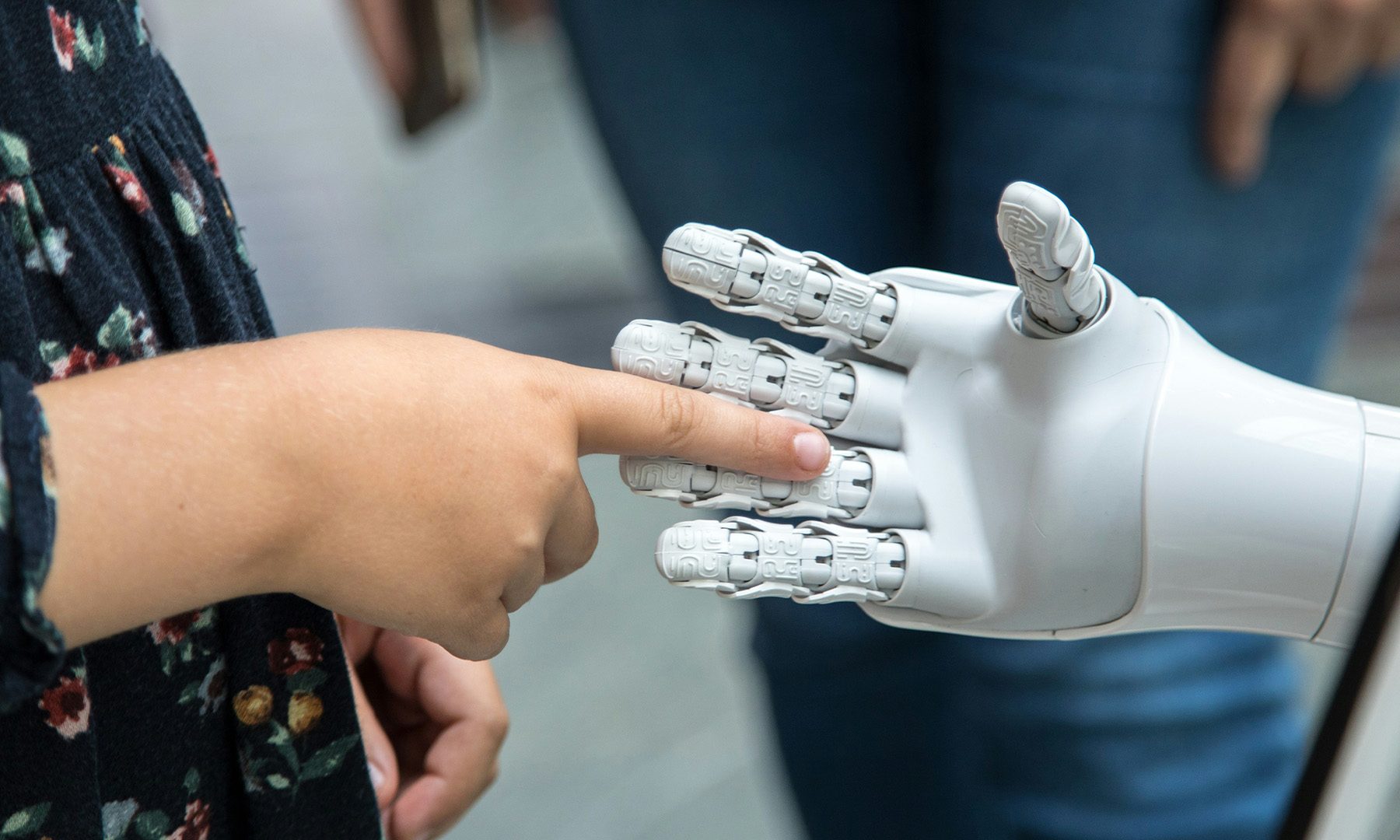
Most robots are pretty good at seeing, but touching? That's been a much tougher problem. While humans instinctively know how hard they're gripping a coffee mug or pressing a button, robots have traditionally relied on complex arrays of tiny sensors to estimate the same thing. Now, researchers at Queen Mary University of London believe they've found a much simpler solution: make touch visible.

A sensor that turns touch into color

Read more
Chrome is getting better at understanding the breaks and punctations you never say out loud
Voice typing in Chrome is about to feel much more natural
Google Chrome on Android Featured

Google is quietly making voice dictation in Chrome feel a lot more natural. With the latest Chrome 151 Beta, the company is introducing a new capability that allows the browser's speech recognition engine to automatically infer punctuation based on the way people speak, eliminating the need to explicitly say commands like "comma" or "full stop."

The update may sound minor at first glance, but it addresses one of the biggest frustrations with voice typing: speaking naturally often produces text that lacks punctuation unless users consciously dictate every punctuation mark. By teaching Chrome to understand pauses, rhythm, and speech patterns, Google is taking another step toward making conversations with computers feel more human.

Read more
Horror films play music to warn about danger. These headphones use the same trick to save you from robots
Spherephones replaces factory alarms with music that tells you what is coming and from where.
spherephones-georgia-tech

The ear has always processed what is coming before the eye does. In horror movies, the music always tells you something bad is coming. Now researchers at Georgia Tech are using the same idea in real life to keep factory workers safe around robots.

They have built a wearable headset called Spherephones that converts nearby robot movement into spatial music, giving you a warning before a machine gets too close. It helps the user stay aware without breaking their attention.

Read more