1. Home
  2. Wearables
  3. Emerging Tech
  4. News

Battery-free high-definition video streaming is on the way

Add as a preferred source on Google
Towards Battery-Free HD Video Streaming

Despite the popularity of live video streaming, a lot of recording devices are incapable of recording and streaming in HD quality. That is because devices like smart glasses, aka wearable cameras, would overheat were they to attempt to stream at this resolution.

Recommended Videos

But researchers at the University of Washington may have come up with a way to change all that. They developed a new technique which makes HD video streaming possible using low- or no-power devices, such as the aforementioned smart glasses and smartwatches. It could also be used to enable security cameras to stream in HD without having to be wired up to do so. This is possible because, according to its creators, the new system uses between 1,000 to 10,000 times less power than existing devices.

“Wireless cameras are widespread these days,” Saman Naderiparizi, one of the researchers on the project, told Digital Trends. “A major limitation of [many] devices, however, is their high power consumption. As a result, conventional wireless cameras either have to be plugged into power or require frequent battery replacement. Our project explores what are the power-hungry components of a conventional wireless camera, decouples them from the camera, and pushes them into a hub device that is receiving the camera stream.”

The team’s technique uses something called backscatter, in which devices are able to share information by reflecting signals that have been transmitted to it. The video transmission system works by turning the pixel information from each frame of video into a series of pulses. The width of each pulse represents the pixel value, while the pulse duration represents its brightness. In findings presented this month at the Advanced Computing Systems Association’s Symposium on Networked Systems Design and Implementation, the team revealed how they had been able to wirelessly convert HD YouTube videos into raw pixel data for streaming.

“A next step for this project is to fabricate the integrated circuit designed for our analog camera,” Mehrdad Hessar, another researcher on the project, told us. “This is a big step forward toward our vision of battery-free sticker form-factor HD video streaming cameras. Jeeva Wireless, a Seattle-based startup company founded by UW researchers including co-authors of this project, Shyam Gollakota, Josh Smith and Vamsi Talla, has already licensed this technology.”

Luke Dormehl
I'm a UK-based tech writer covering Cool Tech at Digital Trends. I've also written for Fast Company, Wired, the Guardian…
A smart glasses detector is now among the top paid apps on Apple’s App Store
Smart glasses have become so unsettling that people are buying proximity alerts
A Ray-Ban Meta Glasses wearer talks to another person using live translation.

An iPhone app designed to alert users when smart glasses may be nearby has climbed to No. 3 on the US paid App Store chart. Its name, AntiZuck Smart Glasses Scanner, leaves little doubt about how the developer feels about Meta’s camera-equipped glasses.

The app costs $2.99 and scans for Bluetooth signals linked to smart glasses. It can spot Meta Ray-Bans, Snap Spectacles, Amazon Echo Frames, and RayNeo glasses, then sends an alert when it believes one is nearby.

Read more
DuckDuckGo’s new smart glasses come with zero AI and 100% shade
No camera, no mic, no AI, just glass that blocks the sun the way sunglasses always have.
DuckDuckGo smart glasses

Smart glasses have quietly morphed into tiny surveillance cameras that people willingly wear on their faces. Every other week, a new pair promises to record video, listen to conversations, and feed it to an AI model somewhere in the cloud. They are causing such havoc that they have earned a new name: “pervert glasses.”

Not only are these glasses a privacy nightmare for people being recorded but also for people using them. A recent investigation by Swedish newspaper Svenska Dagbladet showed that Meta Ray-Ban glasses were uploading intimate and private recordings for training its AI. 

Read more
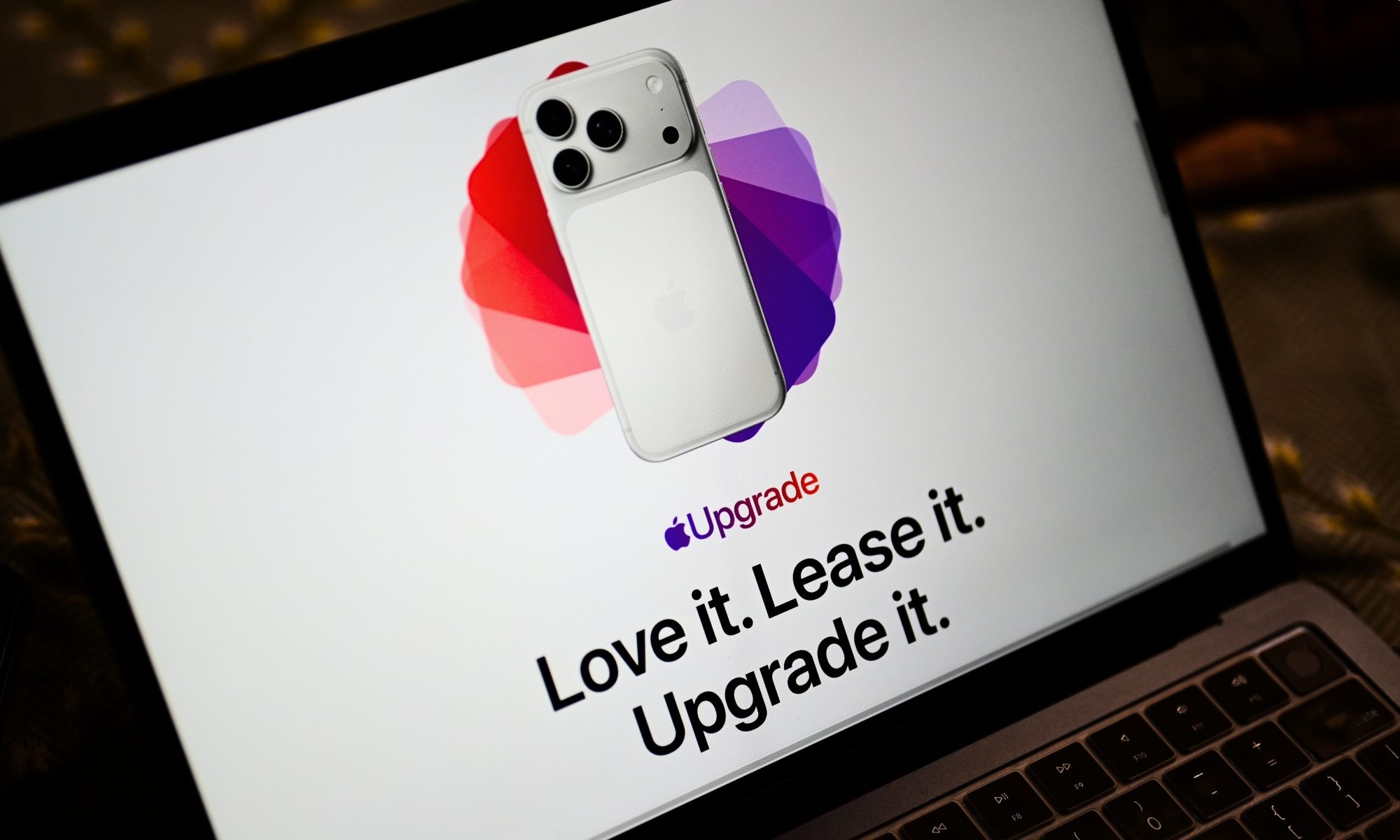
Apple’s new Upgrade plan won’t punish missed payments with restrictions, but three strikes could end your lease
Restricted Mode remains in iOS 27 beta, but Apple says it won’t be used for Upgrade payment defaults
Computer, Electronics, Laptop

Apple recently announced its new Apple Upgrade leasing plan, which lets customers pay monthly for an iPhone, iPad, Mac, or Apple Watch through Klarna. The program replaces the long-running iPhone Upgrade Program and expands the option beyond phones for the first time.

However, code discovered by 9to5Mac in an iOS 27 beta raised concerns about what could happen if someone fell behind on payments. The new App Managed Features system appeared capable of checking a customer’s payment status and placing a financed device into Restricted Mode.

Read more