  1. Home
  2. Emerging Tech
  3. Web
  4. Legacy Archives

Honey, let’s shrink the kids (using this 3D printer)

Add as a preferred source on Google

fotofigAs you will have seen by now, you can use 3D printing technology to create practically anything these days, from ‘magic’ arms for those with joint disease to guitars for the musically minded to pizzas for astronauts heading to Mars.

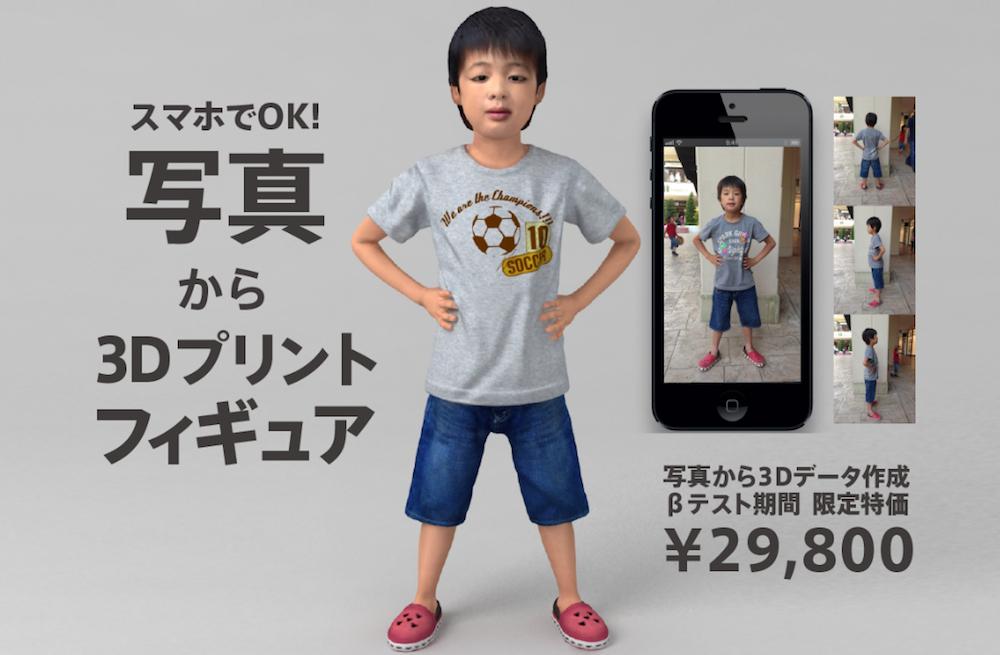
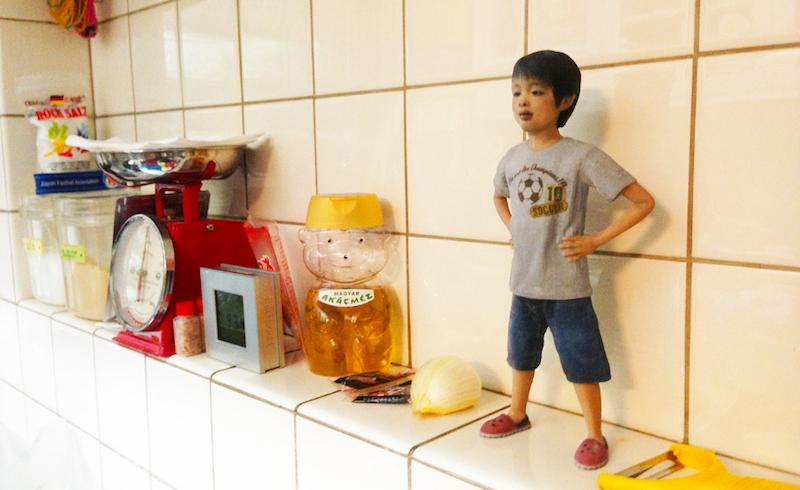
Whether it was the result of spotting a gap in the market or simply an idea that revealed itself following one too many glasses of sake on a long night out hasn’t yet been established, but a Japanese company in possession of a 3D printer is now providing a service enabling you to print off miniature versions of yourself, your kids, and possibly even your pets.

fotofig 3
Image used with permission by copyright holder

To use the service, called Fotofig, you simply send in a bunch of photos capturing the subject from every angle. The firm’s computers then work to create a digital composite which is used to print off the figurine.

Recommended Videos

The company is taking orders though the service is currently in beta – not sure if that means the miniature might come back with two heads or a leg missing, but it might be worth a try just to find out. The problem is, it’s a bit pricey at the minute, costing from 39,800 yen ($400) for the smallest size (15cm) to 64,800 yen ($655) for a taller and possibly rather creepy-looking 25cm model.

While this may not be the most innovative or effective use of 3D printing technology we’ve seen so far, it certainly has some entertainment value attached and could be a new twist on the desk-based family photo many of us have at work. In fact, having models of your entire family perched on the desk, staring back at you in all their 3D glory, could be a real conversation starter with co-workers, though admittedly it might be a rather short one that ends in an awkward silence. 

[SD Japan via Tech in Asia]
fotofig 2
Image used with permission by copyright holder
Trevor Mogg
Contributing Editor
Not so many moons ago, Trevor moved from one tea-loving island nation that drives on the left (Britain) to another (Japan)…
Claude can now join your Slack channels and work alongside your team
Laptop running Claude Fable

For years, AI assistants have been siloed. You open ChatGPT, Claude, Gemini, or Copilot, type a prompt, get an answer, and move on. Anthropic's new Claude Tag feature takes a different approach. Instead of making employees jump into a separate AI chat every time they need help, it brings Claude directly to where many teams already spend their day: Slack.

Add Claude to a channel, grant it access to needed tools, and tag @Claude for help — whether analyzing data, writing reports, reviewing code, or investigating incidents. But Claude Tag isn't just another chatbot integration. Its key differentiator is that Anthropic positions it as a digital coworker for your team, enabling seamless collaboration where multiple users can jointly interact with the same AI within their work environment.

Read more
Getty Images accused AI of wholesale theft. It’s now an official ChatGPT image partner.
Advertisement, Shop, Clothing

The AI industry's most fascinating stories often come from unlikely alliances, and this is certainly one of them. Getty Images, a company that has spent years raising concerns about how AI models are trained and how creative work is used, is now officially partnering with OpenAI.

The new agreement will allow Getty Images' licensed content to appear across ChatGPT's search and discovery experiences. That means users may begin seeing Getty's professionally licensed photos and visual assets integrated into ChatGPT responses, adding more visual context to searches and AI-generated answers. Getty says the goal is to make AI-powered search more useful and trustworthy by relying on high-quality, licensed content rather than the murky sourcing practices that have sparked countless debates across the AI industry.

Read more
Timekettle’s new X1 Meeting Hub does real-time translation for 50 people and fits in your pocket
Fifty participants, five languages, one 199-gram hub, and no booth required.
Electronics, Screen, Computer Hardware

Professional conference interpretation setups are notoriously painful. Dedicated booths, trained interpreters, bulky hardware, and a bill at the end of every month that makes you rethink whether the meeting was even required in the first place. 

Timekettle wants to collapse all of that into a single hub that weighs 199 grams (less than modern flagship smartphones). The company just launched the X1 Meeting Interpreter Hub. 

Read more