1. Home
  2. Emerging Tech
  3. News

Time is running out for India to establish contact with its lunar lander

Add as a preferred source on Google

Time is running out for engineers from the Indian space program to establish contact with the troubled Chandrayaan-2 lunar lander.

Earlier this week, more details were revealed about what exactly went wrong as the Chandrayaan-2 lander descended towards the lunar surface. As reported by India Today, the lander flipped upside down around 11 minutes before it was due to touch down. It was supposed to rotate slightly to point its camera toward the surface to search for a landing site, but something went wrong and the lander flipped entirely. This meant that the landing thruster, which should provide force upward to counteract the lander’s descent speed, was instead facing away from the moon and forced the lander downward.

Recommended Videos

Communications were lost with the lander during this time and have not been re-established since.
India Moon Landing
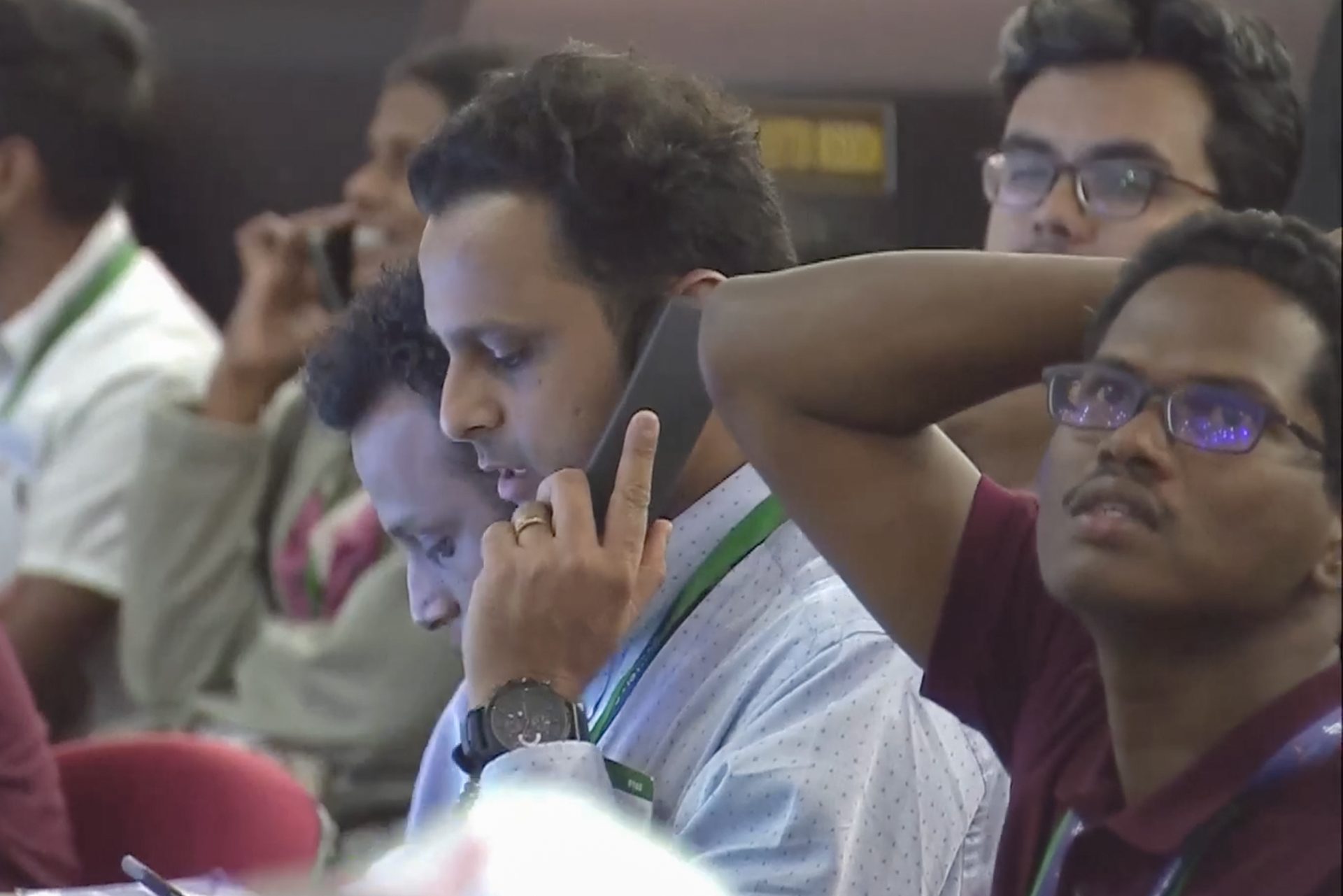
The mission control crew looks on as India’s space agency loses contact with its moon lander. ISRO

Officials at the Indian Space Research Organization (ISRO) were able to locate the lander on the moon last week, and they have been trying to re-establish communications with the hope of saving either the Vikram lander or the Pragyan rover inside it. There is a time window they need to consider, however. The lander and rover were both designed to last for one lunar day, which is the equivalent of 14 days here on Earth. With a week passed since the landing date, the ISRO engineers have only one more week to get in contact with the lander before it runs out of power.

“Progressively, you can imagine that it becomes that much more difficult, with each passing hour, the available power on the battery gets drained out, and there won’t be anything left for it to power and operate,” a representative of ISRO told the Press Trust of India. “With every passing minute, the situation becomes worse… [It is] less and less probable (to establish contact with Vikram).”

It may be possible for the Vikram lander to recharge its batteries using its solar panels, although this is looking increasingly unlikely. It is not even certain how much damage the lander has suffered, so its solar panels could have been destroyed.

More information about the lander should be coming soon, as NASA’s Lunar Reconnaissance Orbiter will be flying over the landing site next week and will collect images of the area with its high resolution camera.

Georgina Torbet
Georgina has been the space writer at Digital Trends space writer for six years, covering human space exploration, planetary…
Yet another study says AI is bad for elections, and the rabbit hole gets worse
AI may be an election bomb waiting for someone to light the fuse
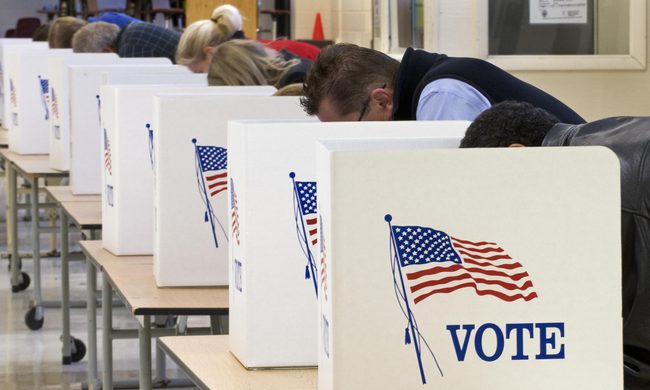
Voters cast their ballots on Election Day

Another election, another study has concluded that asking an AI chatbot for political guidance is a spectacularly bad idea. Research conducted during Hungary’s 2026 parliamentary election found that ChatGPT and Google Gemini offered not just inaccurate but also inconsistent and unreliable voting advice. The chatbots misclassified voter profiles, overlooked relevant parties, recommended parties absent from the ballot, and sometimes produced materially different answers when given the same information repeatedly.

AI keeps failing the voter test

Read more
Samsung’s humanoid robot ambitions are real, but factories come first
Samsung’s new robotics division has humanoids in its sights, although its immediate business is far more practical factory automation
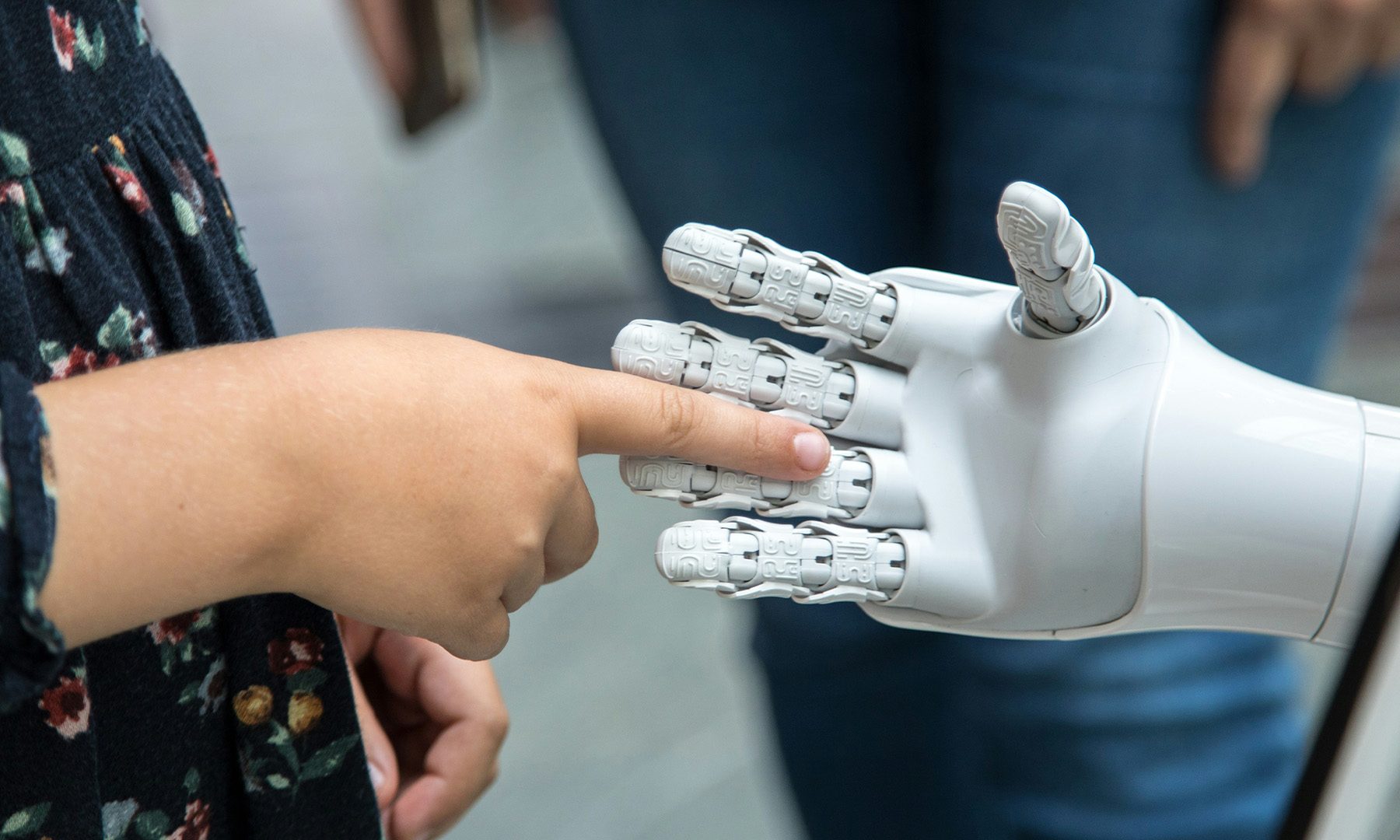
Robot Touch Human Finger

Samsung wants a place in the humanoid race, but its new robotics push begins with machines built for factories rather than homes.

The CEO-led RX robotics division will initially focus on manufacturing robots. Samsung has separately identified humanoids as a priority, although it hasn’t announced a commercial model or explained where one fits into the division’s immediate plans.

Read more
The future of AI may depend on this one behind-the-scenes change
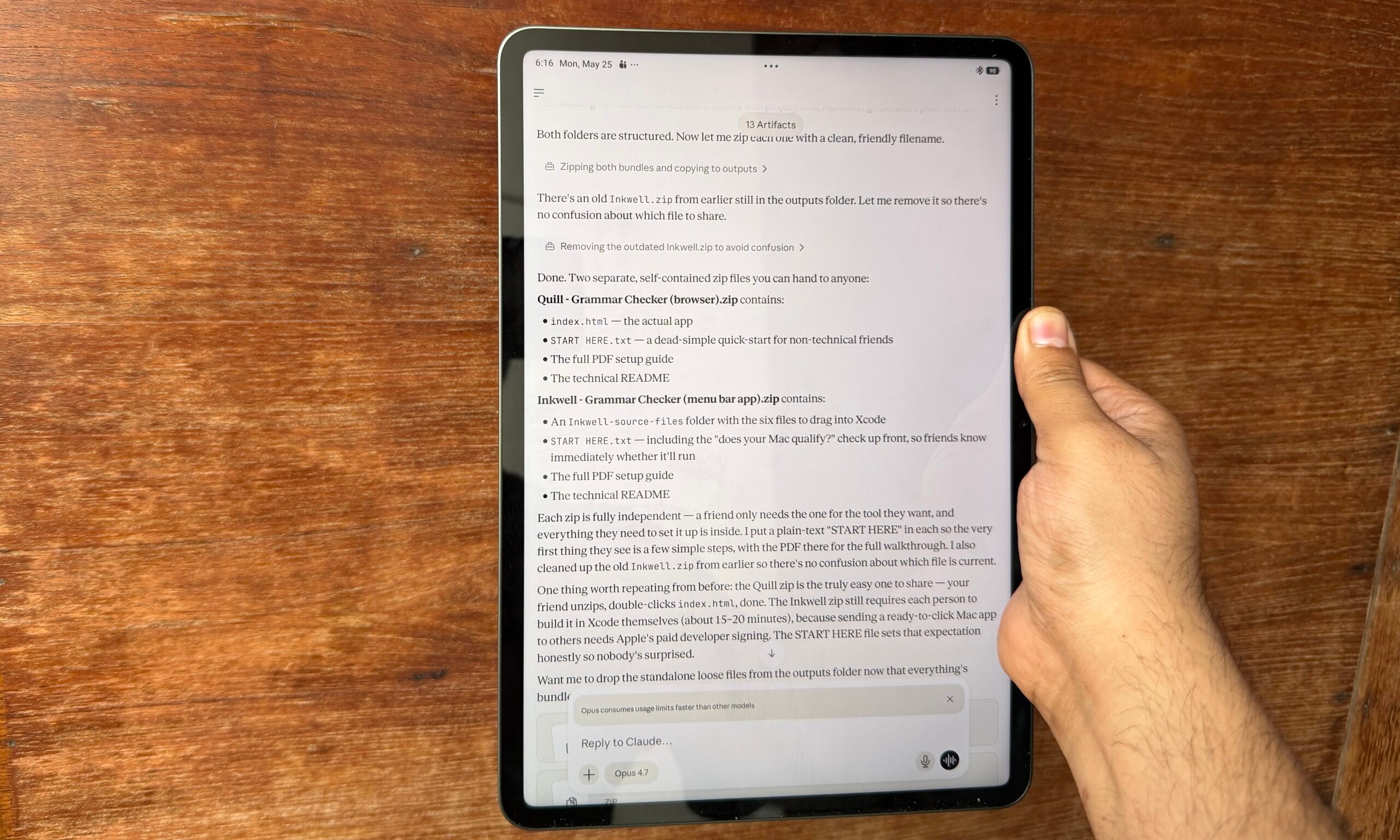
Running Claude on Android.

Whenever a new AI model arrives, it's easy to get caught up in the bells and whistles. We talk about how much smarter it is, how quickly it answers questions, or how realistic its images have become. But here's the thing: none of that matters much if the AI can't reliably work with the apps and services people use every day.

That's why an upcoming update to the Model Context Protocol (MCP) caught my attention. It isn't a new chatbot or a fancy AI model. In fact, most people will never even know it's happening. But it could quietly make the AI ecosystem a lot healthier. If you've never heard of MCP before, don't worry. Think of it as a shared language that lets AI assistants safely talk to apps like Gmail, Slack, calendars, databases, and countless other services. Instead of every company inventing its own way to make those connections, MCP gives everyone a common rulebook.

Read more