  1. Home
  2. Emerging Tech
  3. Mobile
  4. News

Tourists in Japan could soon use their fingerprints as currency

Add as a preferred source on Google

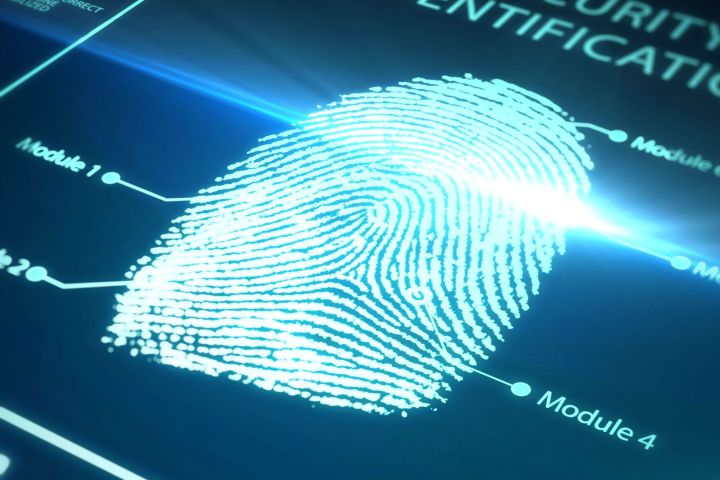
Soon, you may be able to touch to buy — literally. Capitalizing upon its status as one of the most technologically advanced and innovative countries in the world, Japan is planning to test a new system of currency over the summer — the fingerprint. We’ve moved from precious metals to paper to plastic to flesh, and Japanese officials hope that this latest idea will actually help prevent crime and improve efficiency, especially as the tourist population booms in anticipation of the 2020 Olympics, to be held in Tokyo. Currently, some 300 stores, restaurants, hotels, and other places of commerce are signed up to participate in the initial testing of the fingerprint payment option.

The idea is similar to Apple Pay or other mobile payment systems that utilize fingerprint scanning. If implemented, tourists would have to register their fingerprints and connect them with valuable data, like credit card information, at airports and other official locations. Then, consumers would be able to buy merchandise or pay for services by simply placing two fingers on special devices scattered throughout the country. And while your fingerprint is meant to be your most unique identifier, it still won’t replace other forms of government-issued ID. For example, when you check into a hotel room, you’ll still have to flash a passport.

Recommended Videos

Such a system has already been tested in Huis Ten Bosch theme park in Sasebo, where customers were able to pay via fingerprint in 30 different stores and restaurants. It seems it achieved great success, with a park official noting, “The system has been well received by customers, including those with children, since it saves them the trouble of taking their wallets out.”

Aeon Bank is also planning on testing the technology, allowing customers to visit ATMs with nothing more than their fingers. This, the bank says, should help with the safety of the machines. “The system is also superior in the area of security, such as preventing people from impersonating our customers,” an official said.

So if you live in fear of losing your wallet, this may be the perfect time for you to head over to Japan. All you need to bring is yourself.


Lulu Chang
Fascinated by the effects of technology on human interaction, Lulu believes that if her parents can use your new app…
Students who use AI every day may be falling behind, while moderate users pull ahead
New global testing data suggests more AI in the classroom isn't automatically better.
Logo, Text

I assumed more AI access might help students learn faster. However, a new OECD study dispels that misconception for me and everyone else who gave their children a paid version of AI chatbots, thinking it would help them through their educational journey. 

According to PISA 2025 data from 760,000 students in 91 countries, students who use AI daily score meaningfully worse on standardized tests than their peers. The full picture is more complicated than a simple ban would fix.

Read more
XPENG just put its humanoid robot on the production line, and it walked itself out
IRON clocks in for its first shift
XPENG Iron

XPENG’s humanoid robot has officially joined the workforce, and it even got an employee badge. The Chinese automaker announced on September 8 that its next-generation IRON had completed assembly and autonomously walked off its newly commissioned humanoid robot production line in Guangzhou.

CEO He Xiaopeng then pinned a staff badge onto the robot, symbolically welcoming it to the XPENG team. It is a charming little ceremony for a machine that the company hopes will eventually become a regular part of everyday life. XPENG is moving IRON beyond R&D prototypes toward production-line manufacturing, applying the quality-control systems and manufacturing experience it has developed through its electric vehicle business.

Read more
An AI-designed drug might help slow aging, but we’re not there yet
The results hint at a possible anti-aging effect, but there’s still a long way to go before we know what it means.
medical test tubes

Rentosertib, a drug Insilico Medicine designed almost entirely using AI, was created to treat idiopathic pulmonary fibrosis, a disease that scars and stiffens the lungs over time. But fighting lung disease was only half the plan from the start.

According to a new study published in Nature Biotechnology, the drug's target was chosen specifically because it overlaps heavily with the biology of aging, and the whole trial was designed to test whether treating the lungs could also mean turning back the body's biological clock.

Read more