  1. Home
  2. Emerging Tech
  3. Audio / Video
  4. Mobile
  5. Legacy Archives

NPD: U.S. holiday electronics sales fall 5.9 pct

Add as a preferred source on Google
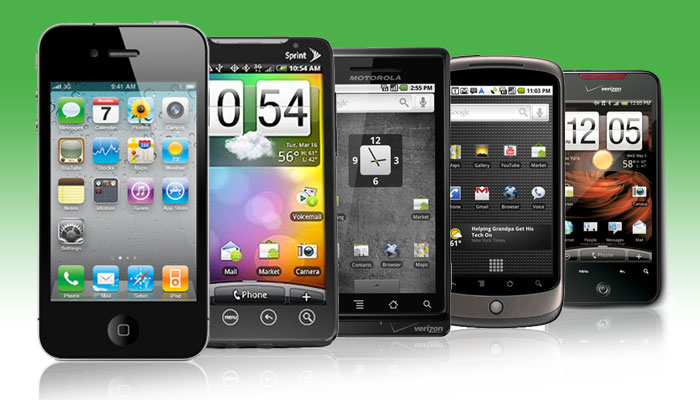
iphone-4-vs-android
Image used with permission by copyright holder

Market analysis firm NPD reports that total consumer technology sales for the 2011 holiday season were down 5.9 percent compared to 2010, accounting for some $9.5 billion in revenue for the five weeks ending December 24. NPD notes that 2011 broke with recent patterns in that sales of both TVs and PCs were relatively flat compared to 2010, rather than losing ground as they had in previous years. However, there’s a bit of a caveat to NPD’s numbers: they exclude mobile phones, ereaders, video games, and tablets. The numbers would seem to confirm recent reports that the popularity of smartphones is cutting into sales of devices like GPS receivers, MP3 players, camcorders, and point-and-shoot cameras.

“2011 was the first year in quite awhile where the real drags on the core CE marketplace were not TVs and PCs,” said NPD VP of industry analysis Stephen Baker, in a statement. “The accelerated rate of decline in older technology categories such as DVD, GPS, and MP3 players put a ceiling on how well the industry could perform during the holiday.”

Recommended Videos

Amongst PCs, NPD found notebook sales declined 5 percent year-over-year, while desktop PCs ironically posted a 2 percent gain compared to 2010—Windows-based all-in-one PCs accounted for almost 20 percent of Windows desktop PC sales volume. NPD also found the sales of televisions with screens larger than 50 inches increased by 32 percent—roughly one in six flat-panel televisions sold during the 2011 holiday season had screens 50 inches or larger, while sales of 32-inch TVs (the market’s largest single size segment) saw its revenue drop by almost 9 percent as average sale prices dropped under $300.

However, other device segments did not fare as well. Sales of MP3 player and point-and-shoot cameras were down 20.5 and 20.8 percent respectively, while sales of hard disks, GPS units, digital picture frames and camcorders tumbled even more precipitously, down 25.1, 32.6, 37.5 and a whopping 42.5 percent, respectively. NPD found sales of multi-function printers were down 9.9 percent compared to last year, and sales of Blu-ray players dropped 17 percent.

“It was truly a mixed bag this year,” said Baker. “Many newer technologies posted strong gains, although most of those products, such as streaming devices, still generate volumes too small to impact the overall market trend.”


Geoff Duncan
Former Contributor
Geoff Duncan writes, programs, edits, plays music, and delights in making software misbehave. He's probably the only member…
Google just canceled its AI Studio mobile app, and it’s not all bad news
Logo, Symbol, Disk

Google AI Studio was on track to make its way to Android and iPhone, giving developers and AI enthusiasts a dedicated place to build prompts and experiment with Google's latest models from their phones.

That's no longer happening. In a post shared by the official Google AI Studio account on X, Google confirmed that it's canceling the standalone AI Studio mobile app before launch. The announcement comes despite the company saying nearly 800,000 people had already pre-ordered the app across iOS and Android.

Read more
Google Earth’s AI misadventure lasted only a day. It was a tale of dangerous ignorance.
Nuclear reactors, tanks, and historical destruction on a life-like satellite map? Yeah, that's bad.
Nano Banana AI image generator representation.

Technology behemoths are clearly not reading the room, or they are just moving faster than they should when it comes to AI deployment. Google has already stuffed its Gemini AI in every corner of its software stack, from Android to daily productivity tools like Gmail that are used by hundreds of millions of users every day. AI is everywhere. Not all of it is bad, mind you. But in a few places, it just feels forced.

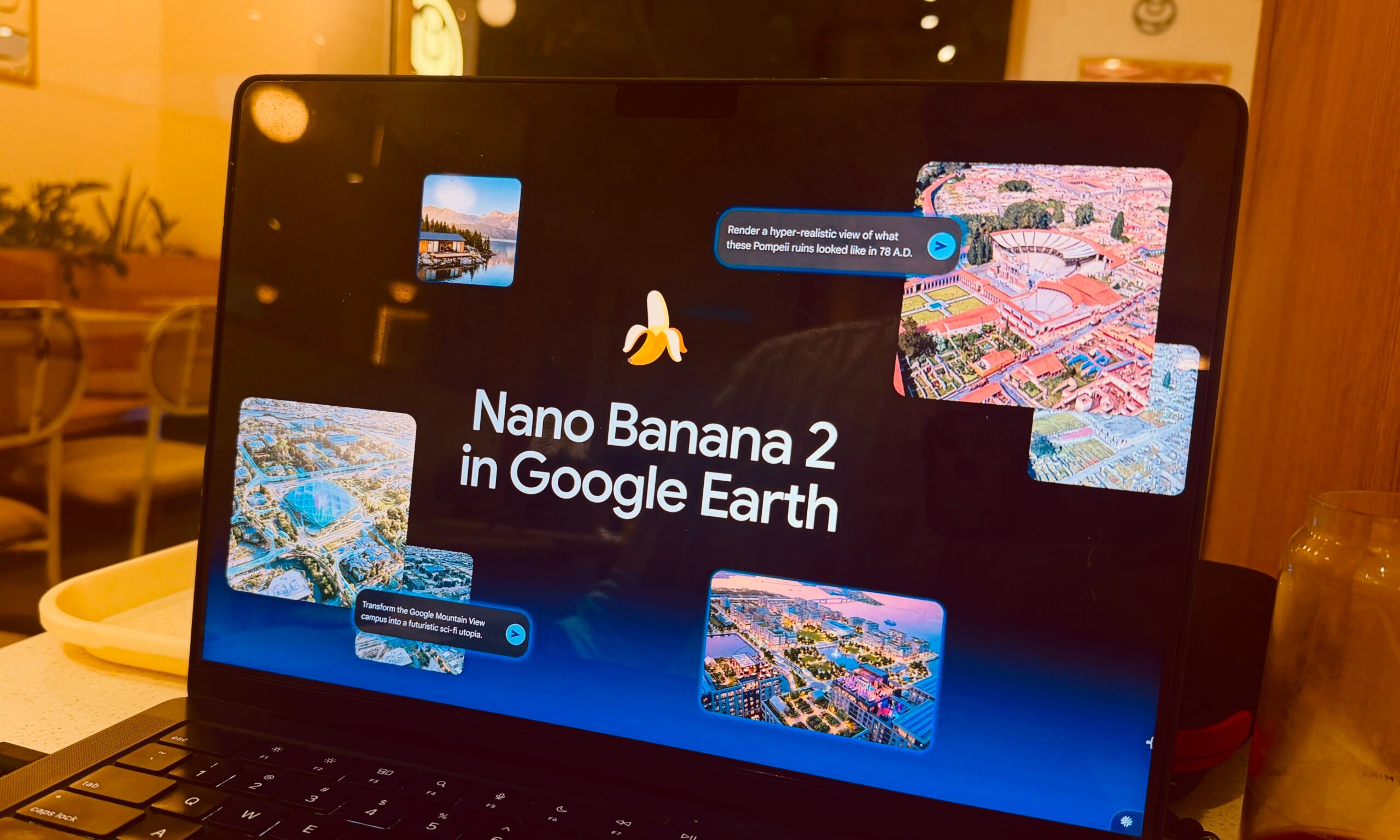
In its latest AI-fication experiment, the company targeted Google Earth. The idea was to let the audience use its Nano Banana 2 AI image generator and make images that can be placed on the map view. On paper, it's a cool idea. What would the Colosseum of Rome look like in your urban neighborhood? Yeah, fun stuff like that.

Read more
Google’s new AI gives robots better balance, smarter hands, and teamwork capabilities
Google just made robots a lot less clumsy and a lot more helpful.
Gemini robotics 2.0

Google DeepMind just brought sci-fi robots closer to reality, and it is very exciting. Building on its original Gemini Robotics model, the company has introduced Gemini Robotics 2, an AI system designed to help robots think, move, and even work together. Unlike most robots today, which rely on pre-programmed routines or someone controlling them remotely, this new system lets robots figure things out on their own when situations get unpredictable.

Can robots finally handle whole-body tasks?

Read more