  1. Home
  2. Emerging Tech
  3. Mobile
  4. Legacy Archives

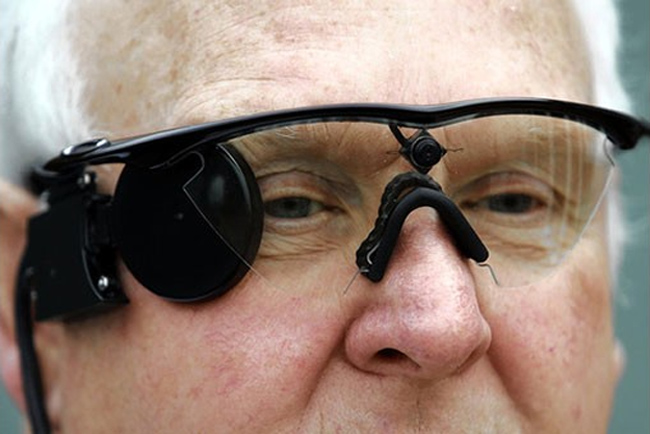
Second Sight glasses help cure blindness and approved for sale in the U.S.

Add as a preferred source on Google
SECOND SIGHT GLASSES
Image used with permission by copyright holder

A while back, when Google announced its innovative interactive glasses, we were beyond excited. Sure, they’re not the most fashionable creations, but they’re beyond cool, and really fun. But, to be completely honest, we have to admit: at the end of the day, for now, they really are likely just going to be an expensive toy that no one really needs.

So you can imagine how excited we got when we got wind of another innovative pair of glasses that actually serves an amazing function. Engadget reported that Second Sight, a technology company, just got FDA approval for the manufacture and sale of its Argus II retinal prosthesis. These amazing glasses have proven to help restore some vision to those suffering from blindness caused by retinis pigmentosa.

Recommended Videos

It’s a fairly rare disease, only affecting around 100,000 Americans, so don’t expect to see these glasses on the street every day. (Not to mention, of the low number of Americans that suffer from the disease, only a fraction will be able to afford such a cutting edge new technology.)

The glasses work by using a camera that is mounted between the lenses, which captures images and transmits them to an electrode that will have been surgically implanted onto the retina of the user. Though the images won’t be as perfect as someone with 20/20 vision, it will be a vast improvement for those with retinitis pigmentosa.

It’s taken quite a while for Second Sight to get approval to sell these glasses. They first introduced their creations almost ten years ago, but weren’t able to get the green light to sell in Europe until just two years ago.

We can’t help but hope this is just the first step in vision correction, and that one day we’ll see cures for all types of blindness.

Joshua Pramis
Spending a childhood engrossed in such technologically inspiring television shows like Voltron, Small Wonder, and Power…
Samsung’s humanoid robot ambitions are real, but factories come first
Samsung’s new robotics division has humanoids in its sights, although its immediate business is far more practical factory automation
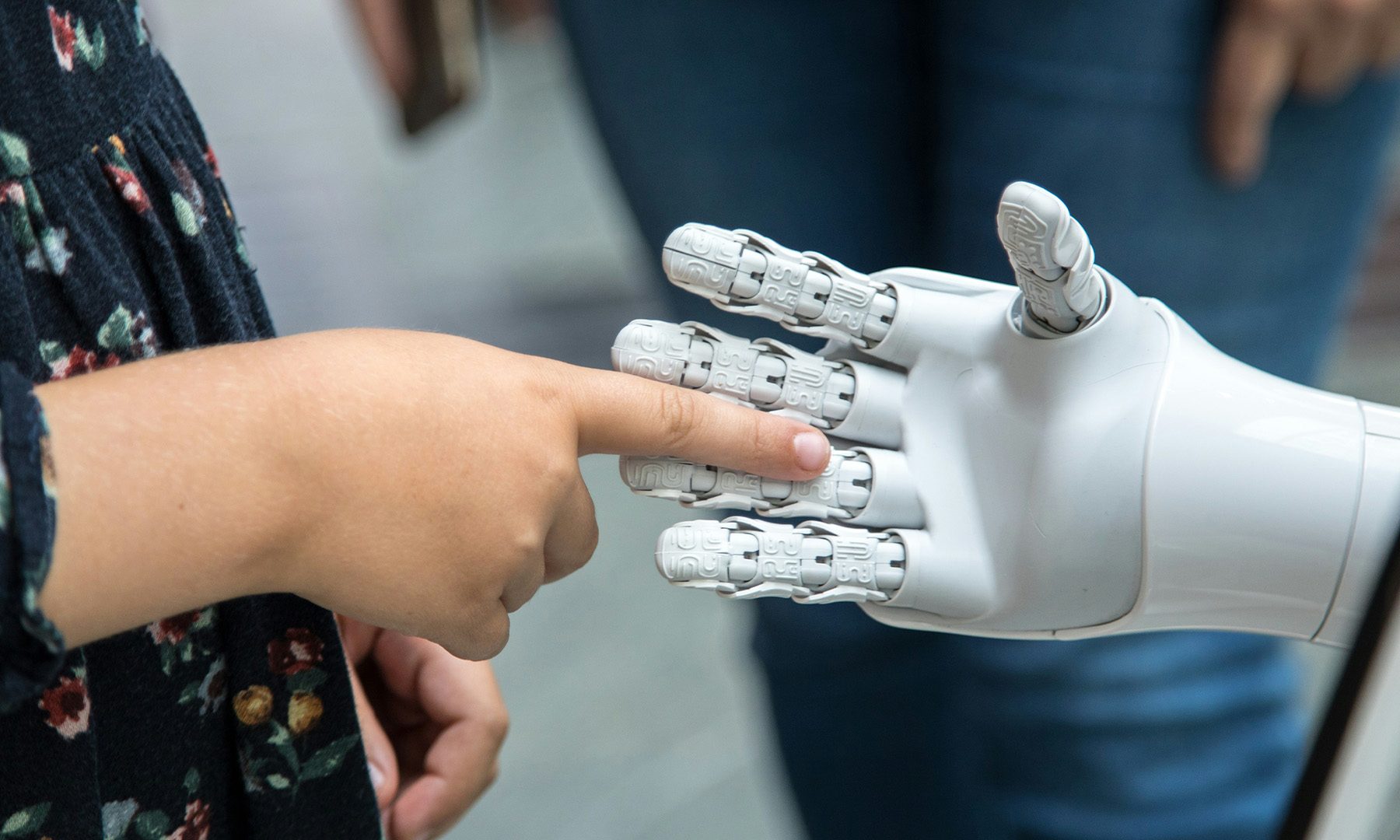
Robot Touch Human Finger

Samsung wants a place in the humanoid race, but its new robotics push begins with machines built for factories rather than homes.

The CEO-led RX robotics division will initially focus on manufacturing robots. Samsung has separately identified humanoids as a priority, although it hasn’t announced a commercial model or explained where one fits into the division’s immediate plans.

Read more
The future of AI may depend on this one behind-the-scenes change
Running Claude on Android.

Whenever a new AI model arrives, it's easy to get caught up in the bells and whistles. We talk about how much smarter it is, how quickly it answers questions, or how realistic its images have become. But here's the thing: none of that matters much if the AI can't reliably work with the apps and services people use every day.

That's why an upcoming update to the Model Context Protocol (MCP) caught my attention. It isn't a new chatbot or a fancy AI model. In fact, most people will never even know it's happening. But it could quietly make the AI ecosystem a lot healthier. If you've never heard of MCP before, don't worry. Think of it as a shared language that lets AI assistants safely talk to apps like Gmail, Slack, calendars, databases, and countless other services. Instead of every company inventing its own way to make those connections, MCP gives everyone a common rulebook.

Read more
The AI game-dev boom has a dark side: fewer jobs for the people starting out
Solo creators are thriving with tools like Claude Code and Copilot, but entry-level game roles are disappearing.
Man playing a video game on a desktop with glowing red and blue lights

AI is making it easier than ever for a single person to build a game. That sounds like a win for creativity, and in many ways, it absolutely is. But there is a catch. As generative AI tools help solo developers and small studios do more with fewer people, the same shift is making life tougher for writers, artists, concept creators, and junior programmers trying to break into the gaming industry.

AI is giving solo developers superpowers

Read more