1. Home
  2. Emerging Tech
  3. News

A mech for modern times: Method-1 is your sci-fi fantasy come to life

Add as a preferred source on Google

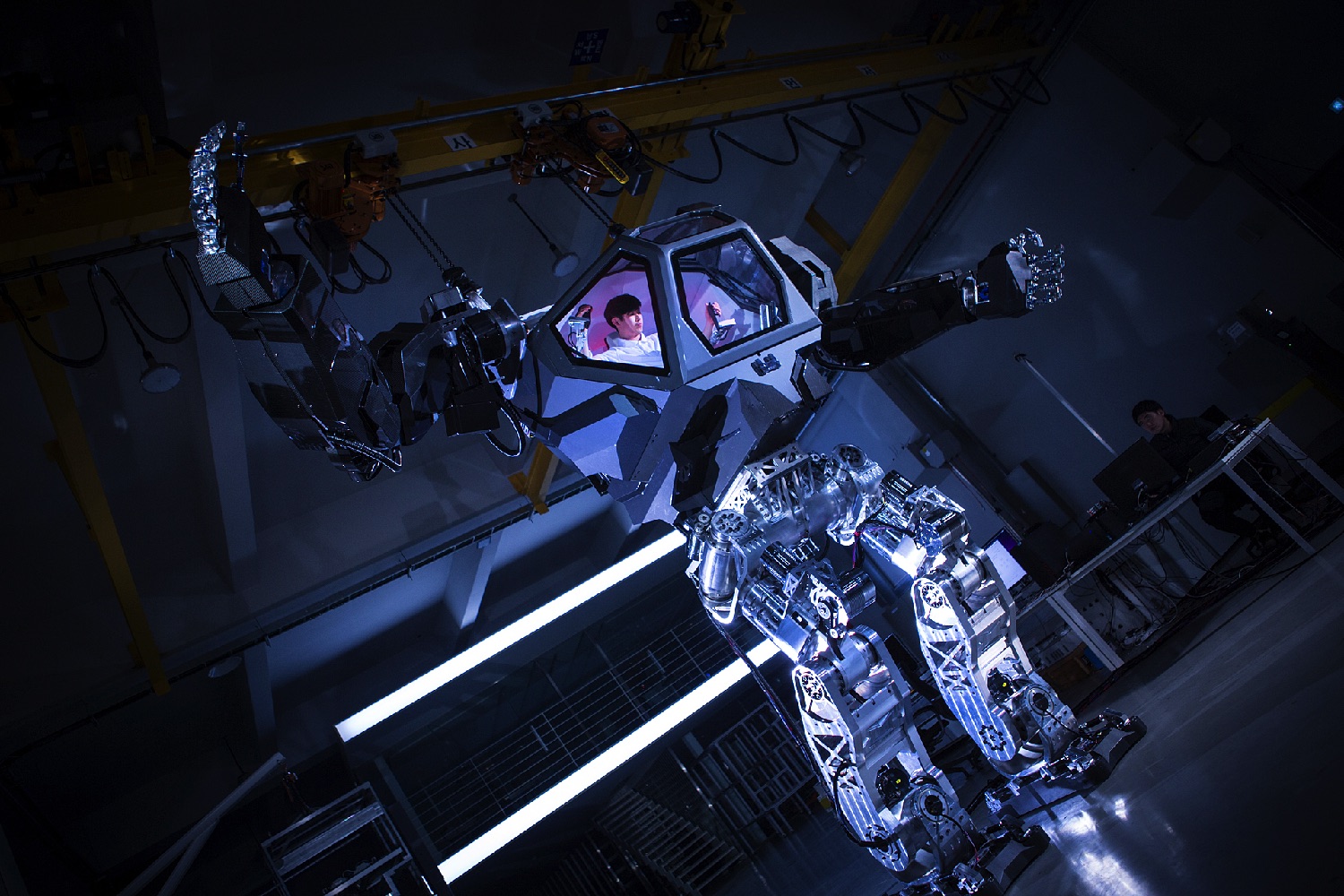
Somewhere in South Korea, the kind of robotics company Michael Bay might invest in is building a towering mech robot straight out of the world of Gundam — and they’ve hired a former movie and game concept artist, known for working on StarCraft II and Transformers: Age of Extinction, to help them.

Built by Korea Future Technology and named Method-1, the giant robot houses a human pilot who in videos is shown apparently controlling it by using arm gestures.

Recommended Videos

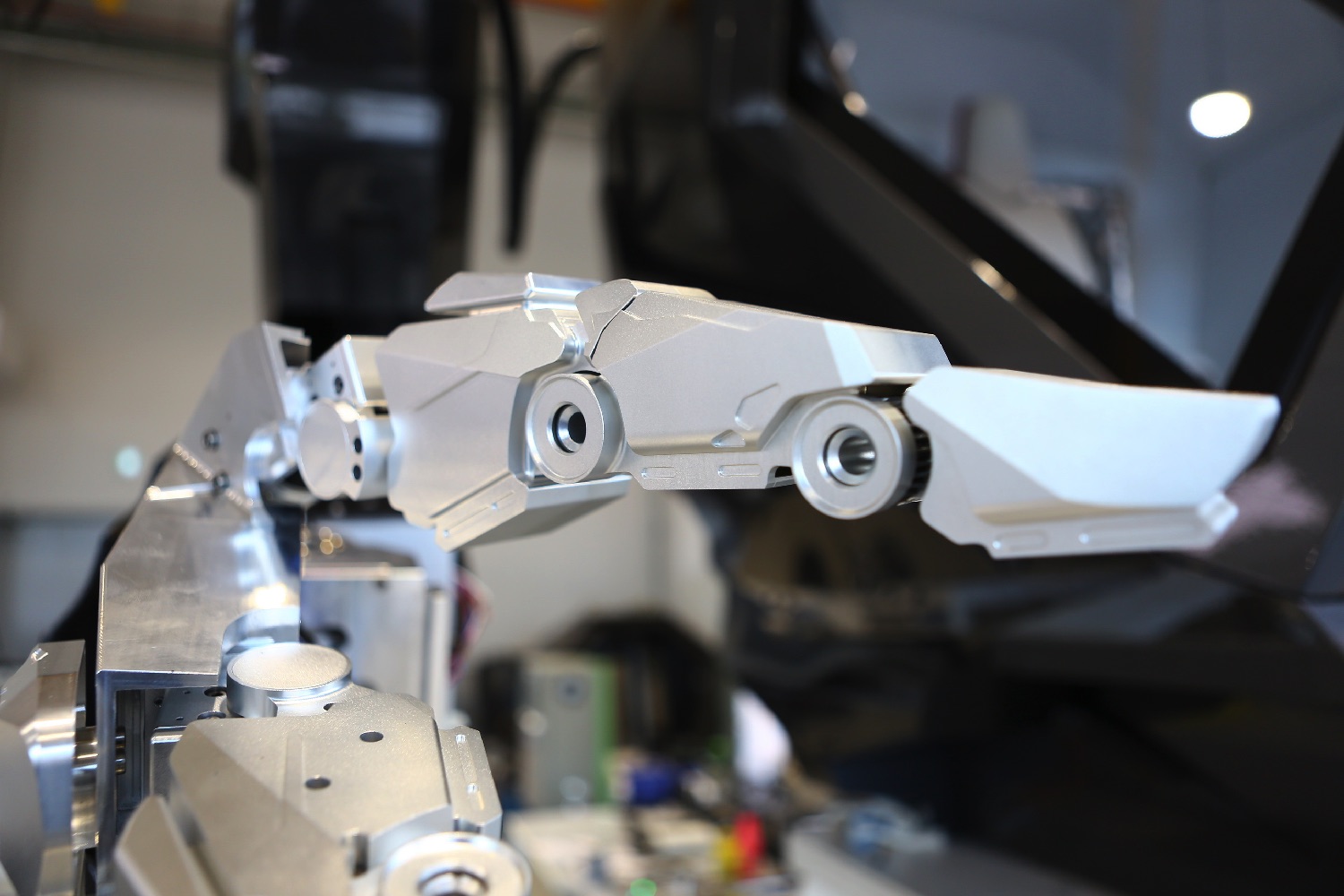
It’s pretty awesome stuff and demonstrates an impressive amount of robot dexterity — from the movement of its individual figures to the ability to shift its weight as it walks.
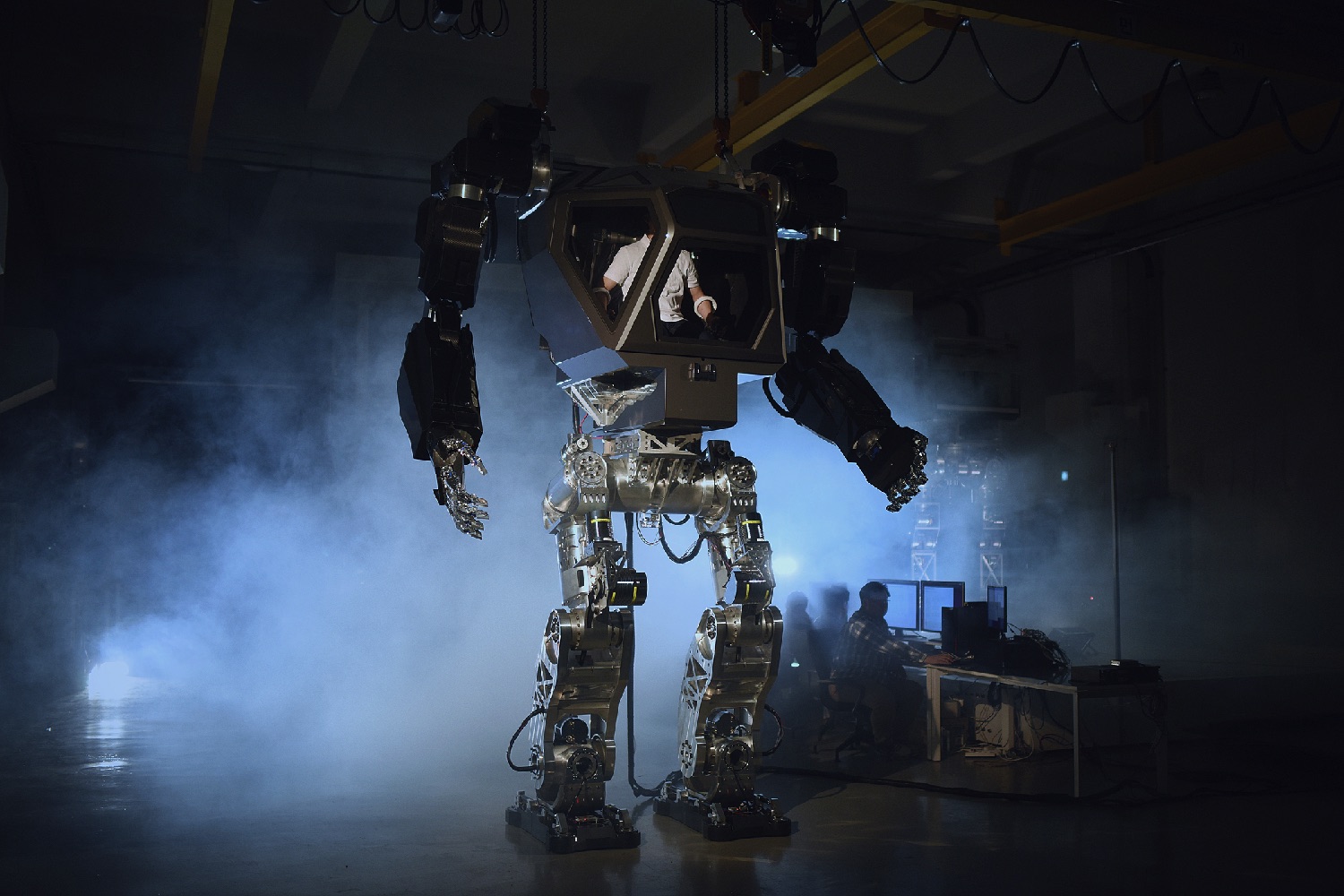
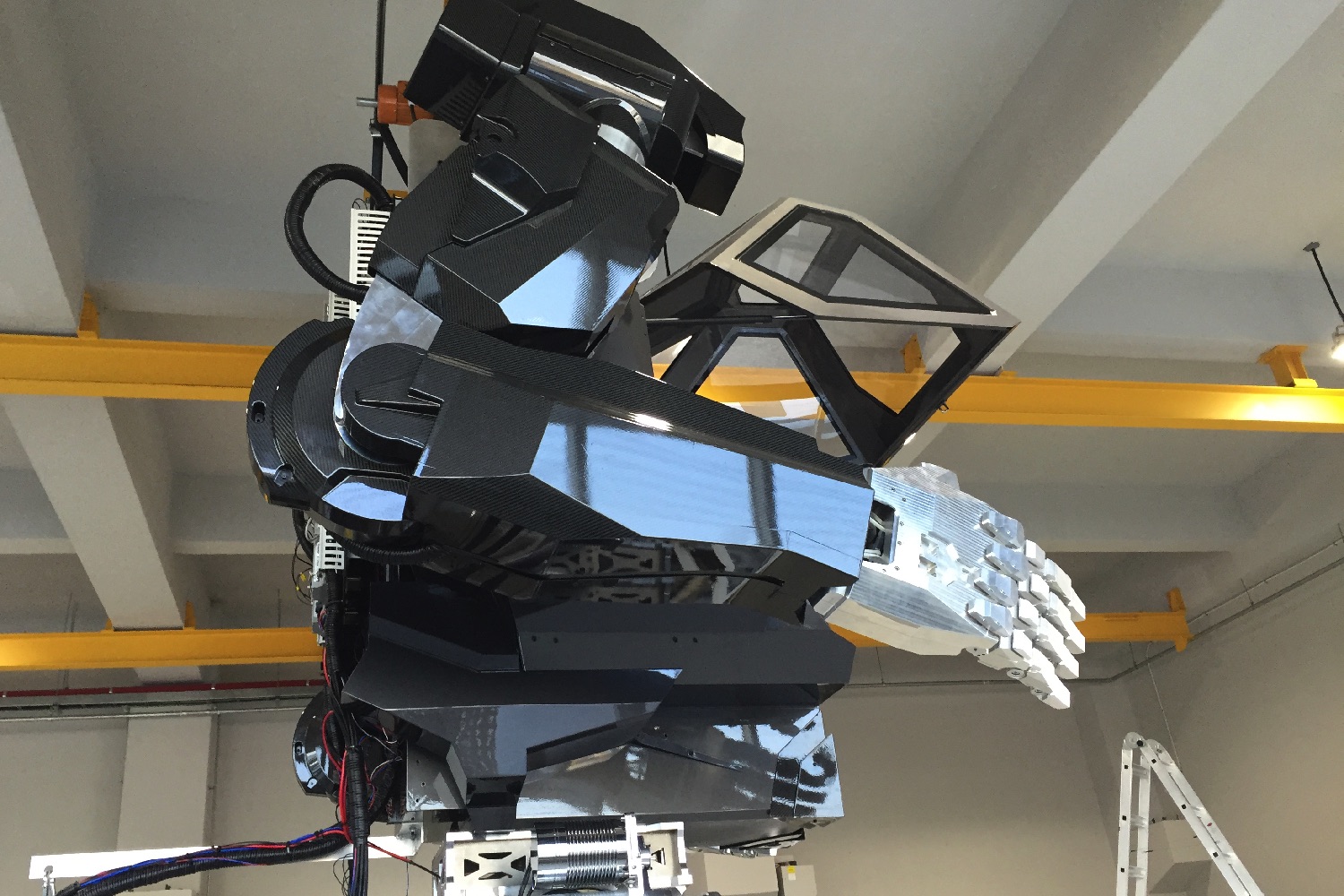
“It’s an amazing team of engineers and designers who are working to bring this to life,” concept artist Vitaly Bulgarov told Digital Trends. “It’s a real challenge; no one has done something like this before. That’s the main reason we wanted to do it. Why do people climb Everest? Because it’s there. This is a first proof-of-concept robot to show that we as a team can do something like this.”

In recent years, Bulgarov has had a joint career working in both the entertainment industry and the robotics field — with companies including Intel and Boston Dynamics. This work, however, certainly seems to owe more of a debt of gratitude to his science fiction work, although he notes that it is still firmly rooted in reality.

"METHOD-1" manned robot project by "Korea Future Technology" (주)한국미래기술 & Vitaly Bulgarov - 2

“To make a robot for a specific application, you need to have a very specific task in mind that you need to solve,” he continued. “This is kind of a broad platform attempt to answer a number of different questions. For example, can it walk? Can you use a human-machine interface to operate tools? We want to see where we’re at right now, in terms of what’s possible.”

Where things go from here remains to be seen. Whatever becomes of Method-1, however, it’s certainly captured our imaginations. And with Bulgarov telling us that more information will be forthcoming in the new year, it’s just another reason we want 2017 to hurry up and get here already!


Luke Dormehl
I'm a UK-based tech writer covering Cool Tech at Digital Trends. I've also written for Fast Company, Wired, the Guardian…
Scammers are teaching AI to sound like you, and research says our brains are falling for it
Has your accent just become a security vulnerability? AI scammers are getting too good at sounding local
Scammers are turning trusted news brands into investment traps

The next scam call you receive may not sound like a robot, a call center, or even someone pretending to be your relative. AI voice generators have become capable of reproducing regional accents and dialects that sound convincing enough that researchers are warning they could become a potent social-engineering tool.

For example, a scammer could use an accent familiar to a targeted community to make a suspicious call sound considerably more trustworthy.

Read more
Scientists found a way to turn plastic bottles into cookies you can actually eat
hand holding a cookie

Plastic bottles and cookies rarely show up in the same sentence, but a team of researchers just gave us a reason to talk about both together. According to Science Daily, scientists at Southern Illinois University Carbondale have engineered yeast that can turn waste from plastic bottles and old crop leftovers into real food ingredients and create cookies.

The work began as part of a NASA program exploring how astronauts might produce their own food during deep space missions, since resupply runs from Earth aren't exactly realistic that far out. The researchers' big insight was simple: plastic bottles are packed with carbon, and so, as it turns out, is food. That single connection became the foundation for everything that followed.

Read more
Students who use AI every day may be falling behind, while moderate users pull ahead
New global testing data suggests more AI in the classroom isn't automatically better.
Logo, Text

I assumed more AI access might help students learn faster. However, a new OECD study dispels that misconception for me and everyone else who gave their children a paid version of AI chatbots, thinking it would help them through their educational journey. 

According to PISA 2025 data from 760,000 students in 91 countries, students who use AI daily score meaningfully worse on standardized tests than their peers. The full picture is more complicated than a simple ban would fix.

Read more