1. Home
  2. Emerging Tech
  3. News

The TappLock uses your fingerprint to keep things safe

Add as a preferred source on Google

Biometrics seem to be all the rage these days, because really, unlocking things with your fingerprint just seems to take you a step closer towards becoming a secret agent. So if you want to access more than just your smartphone with the tap of your very unique finger, look no further than the TappLock, heralded as the world’s first smart fingerprint padlock. Pishon Labs, which recently launched the TappLock Indiegogo campaign, has already raised over $55,000 from 458 backers, and still has 27 days left to go. See? Everyone wants to feel like an undercover spy.

The next generation lock does away with keys, combinations, and really anything else that you might forget. Instead, it relies solely on your most individual identifier — your fingerprint. According to the Tapp team, this padlock “unlocks with a tap in under one second, using the one thing you always have with you — your unique fingerprint.”

Recommended Videos

The lock makes use of a “cutting edge encrypted fingerprint sensor,” and allows you to access whatever you’ve kept locked up in just 0.8 seconds. And if you try to force the lock open, the built-in alarm will sound, hopefully scaring intruders away.

Water resistant and long lasting, the TappLock might be the easiest form of security you’ve ever come across. The original version has a lithium polymer battery that will last up to three years on a single charge, whereas the TappLock Lite has a replaceable battery that’ll work for up to six months.

If you’re not the only person who’ll be using the TappLock, you can use your smartphone to grant up to 200 people (or at least, store 200 fingerprints) for the lock to recognize. Moreover, with the ability to customize the time, location, and duration of access, you’ll always maintain full control over your valuables.

The lock will send notifications to your smartphone via Bluetooth, and better yet, actually doubles as a portable phone charger that uses a magnetic touch and go system to boost the battery life of your smartphone, tablet, or just about anything else.

Right now, you can buy the TappLock Lite for about $30 or the TappLock for $65 — both early-bird prices accessible only to Indiegogo backers. So if you trust in your fingerprint, consider heading over to the crowdfunding platform and picking out a color you’d like for yourself, family, and anyone else you trust.


Lulu Chang
Fascinated by the effects of technology on human interaction, Lulu believes that if her parents can use your new app…
Yet another study says AI is bad for elections, and the rabbit hole gets worse
AI may be an election bomb waiting for someone to light the fuse
Voters cast their ballots on Election Day

Another election, another study has concluded that asking an AI chatbot for political guidance is a spectacularly bad idea. Research conducted during Hungary’s 2026 parliamentary election found that ChatGPT and Google Gemini offered not just inaccurate but also inconsistent and unreliable voting advice. The chatbots misclassified voter profiles, overlooked relevant parties, recommended parties absent from the ballot, and sometimes produced materially different answers when given the same information repeatedly.

AI keeps failing the voter test

Read more
Samsung’s humanoid robot ambitions are real, but factories come first
Samsung’s new robotics division has humanoids in its sights, although its immediate business is far more practical factory automation
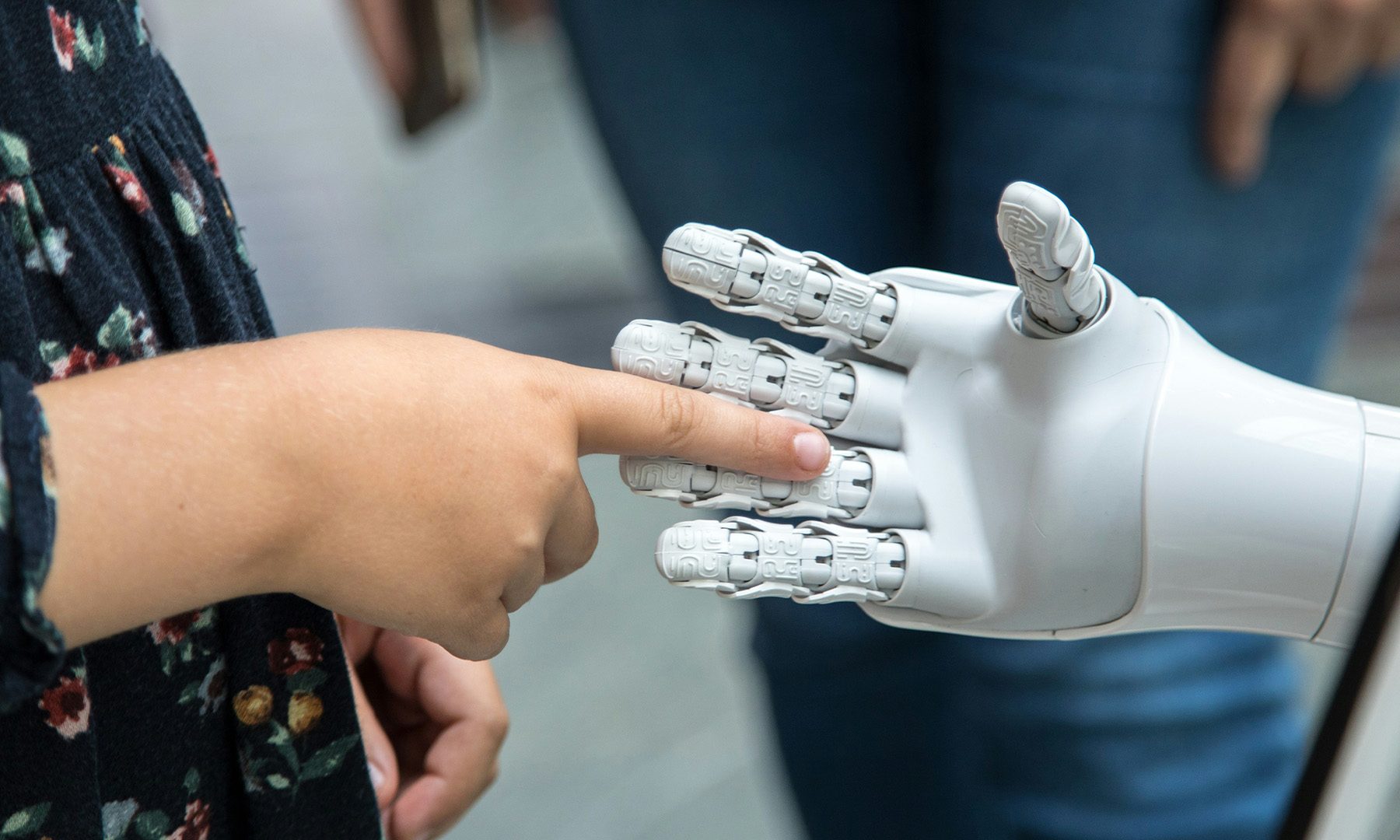
Robot Touch Human Finger

Samsung wants a place in the humanoid race, but its new robotics push begins with machines built for factories rather than homes.

The CEO-led RX robotics division will initially focus on manufacturing robots. Samsung has separately identified humanoids as a priority, although it hasn’t announced a commercial model or explained where one fits into the division’s immediate plans.

Read more
The future of AI may depend on this one behind-the-scenes change
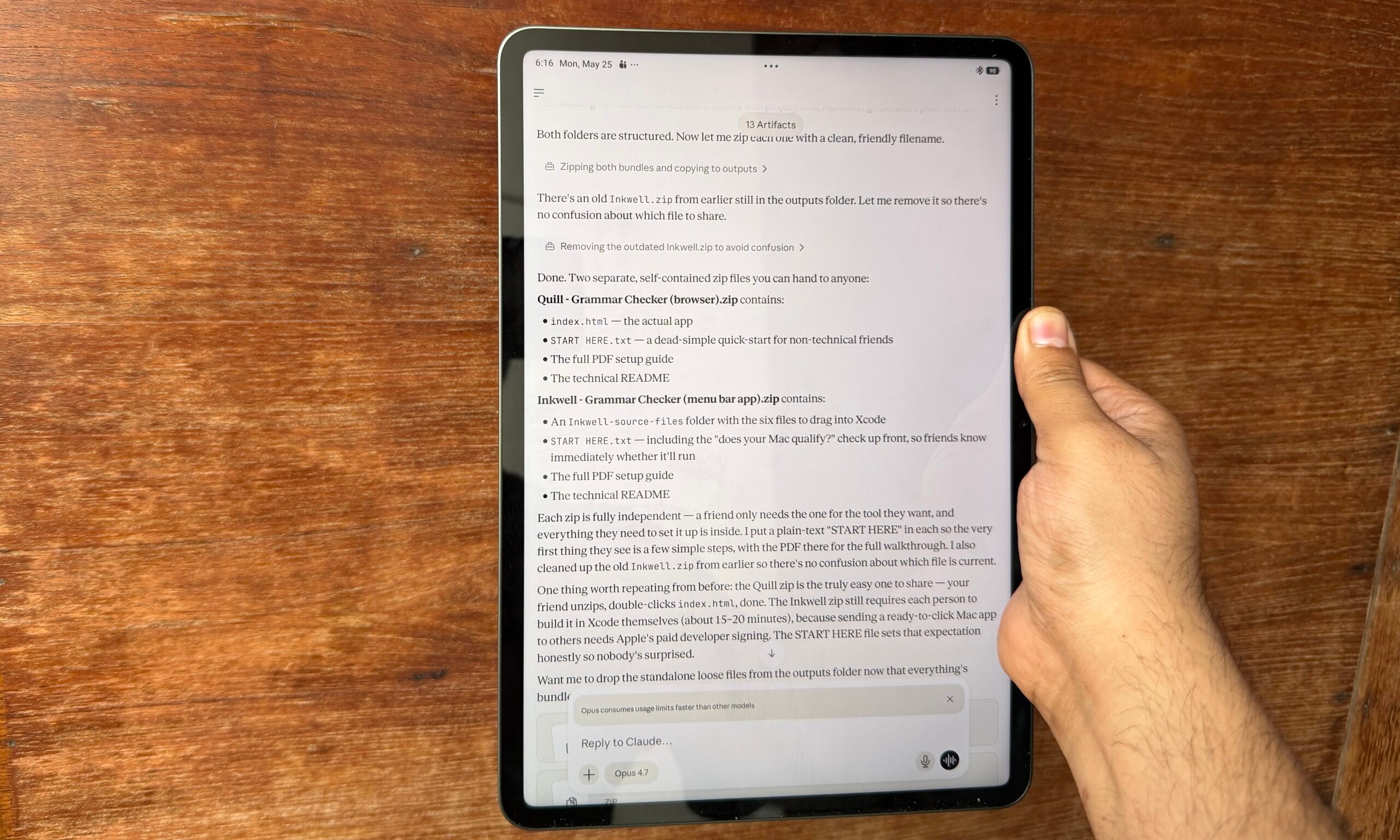
Running Claude on Android.

Whenever a new AI model arrives, it's easy to get caught up in the bells and whistles. We talk about how much smarter it is, how quickly it answers questions, or how realistic its images have become. But here's the thing: none of that matters much if the AI can't reliably work with the apps and services people use every day.

That's why an upcoming update to the Model Context Protocol (MCP) caught my attention. It isn't a new chatbot or a fancy AI model. In fact, most people will never even know it's happening. But it could quietly make the AI ecosystem a lot healthier. If you've never heard of MCP before, don't worry. Think of it as a shared language that lets AI assistants safely talk to apps like Gmail, Slack, calendars, databases, and countless other services. Instead of every company inventing its own way to make those connections, MCP gives everyone a common rulebook.

Read more