1. Home
  2. Emerging Tech
  3. Gaming
  4. Legacy Archives

Ten-year old hacker finds vulnerabilities in mobile games

Add as a preferred source on Google
zynga-farmville-logo-opening-screen
Image used with permission by copyright holder

A 10-year old California girl is the world’s newest famous hacker. Going by the name CyFi, the preteen found a way to exploit a vulnerability in numerous mobile apps by tinkering with mobile devices’ system clocks.

 She presented her work at the first ever DefCon Kids conference, a new part of Defcon, the world’s most famous hacker conference. Ïn her talk, called “Apps – A Traveler of Both Time and Space (And What I Learned About Zero-Days and Responsible Disclosure),” CyFi explained that she was able to circumvent common security measures that prevent users from manipulating apps by changing their device’s system clock.

Recommended Videos

 At its core, it’s one of the oldest tricks in the book. For example, imagine a piece of demo software that lets you use it for a restricted period of time. After 30 days, it locks up unless you pay for it. So why not just roll back your computer clock so the app still thinks its the day you bought it?

 While tricks like that used to work, developers have long built systems to prevent that from happening, especially on mobile devices that have regular access to the Internet to cross-check the date. However, CyFi found that in some FarmVille-style task-based games, she was able to circumvent the built-in waiting process that slows users’ abilities to level up. Basically, she got bored with waiting the requisite hours to harvest her crops, and just bumped her system clock forward to trick the game.

It wasn’t quite that simple. Those mobile games, like most others, do have systems in place to prevent exactly those kinds of cheats. But CyFi, through some clever experimentation, found a combination of techniques that let her beat the system, including change the time by small bits or by disconnecting her devices from networks in between time changes.

 In keeping with the spirit of the security conference, CyFi didn’t present all the specifics of her findings, nor did she name the specific apps involved. Instead, she informed the developers themselves of the issues and will hold all the details until the vulnerabilities can be fixed.


Derek Mead
Former Digital Trends Contributor
Yet another study says AI is bad for elections, and the rabbit hole gets worse
AI may be an election bomb waiting for someone to light the fuse
Voters cast their ballots on Election Day

Another election, another study has concluded that asking an AI chatbot for political guidance is a spectacularly bad idea. Research conducted during Hungary’s 2026 parliamentary election found that ChatGPT and Google Gemini offered not just inaccurate but also inconsistent and unreliable voting advice. The chatbots misclassified voter profiles, overlooked relevant parties, recommended parties absent from the ballot, and sometimes produced materially different answers when given the same information repeatedly.

AI keeps failing the voter test

Read more
Samsung’s humanoid robot ambitions are real, but factories come first
Samsung’s new robotics division has humanoids in its sights, although its immediate business is far more practical factory automation
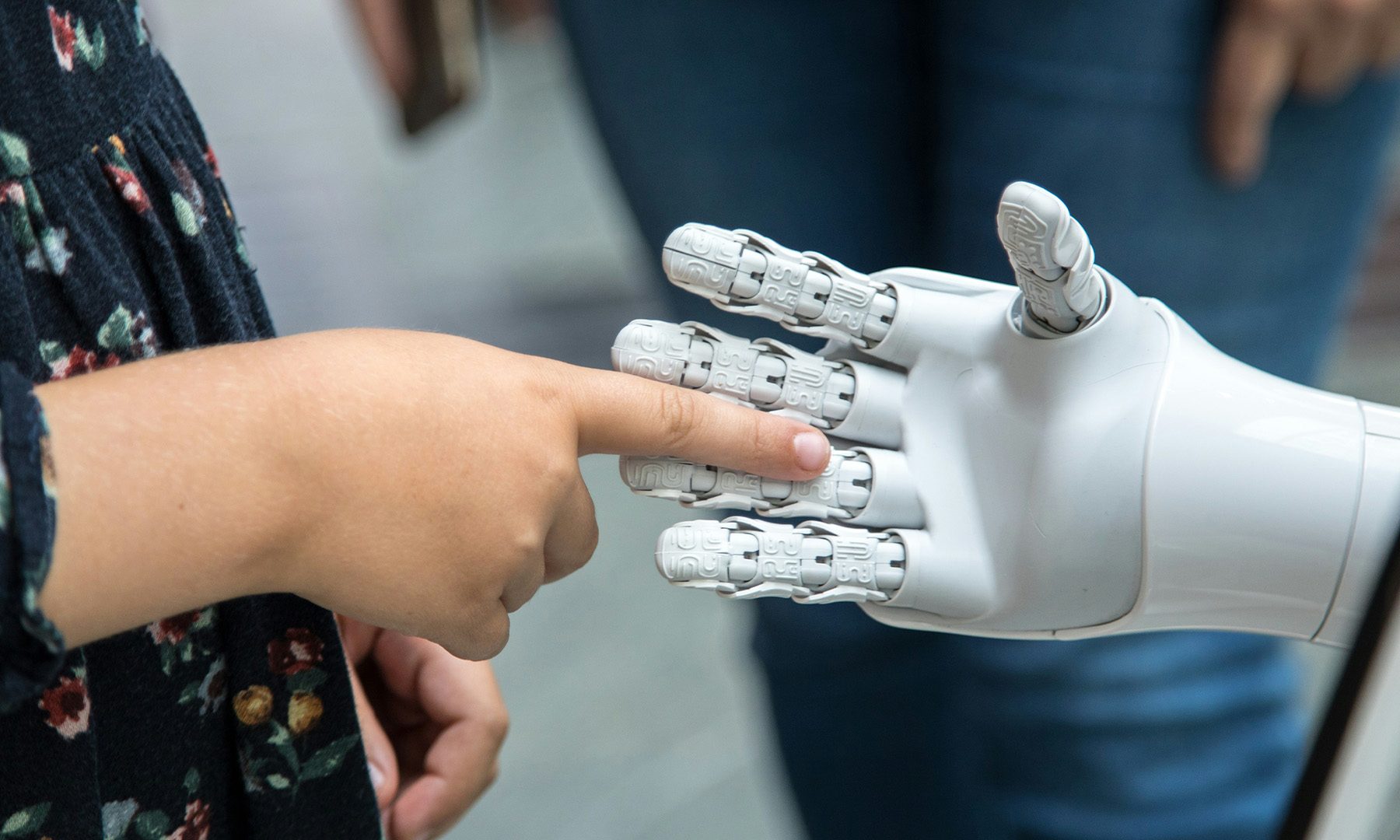
Robot Touch Human Finger

Samsung wants a place in the humanoid race, but its new robotics push begins with machines built for factories rather than homes.

The CEO-led RX robotics division will initially focus on manufacturing robots. Samsung has separately identified humanoids as a priority, although it hasn’t announced a commercial model or explained where one fits into the division’s immediate plans.

Read more
The future of AI may depend on this one behind-the-scenes change
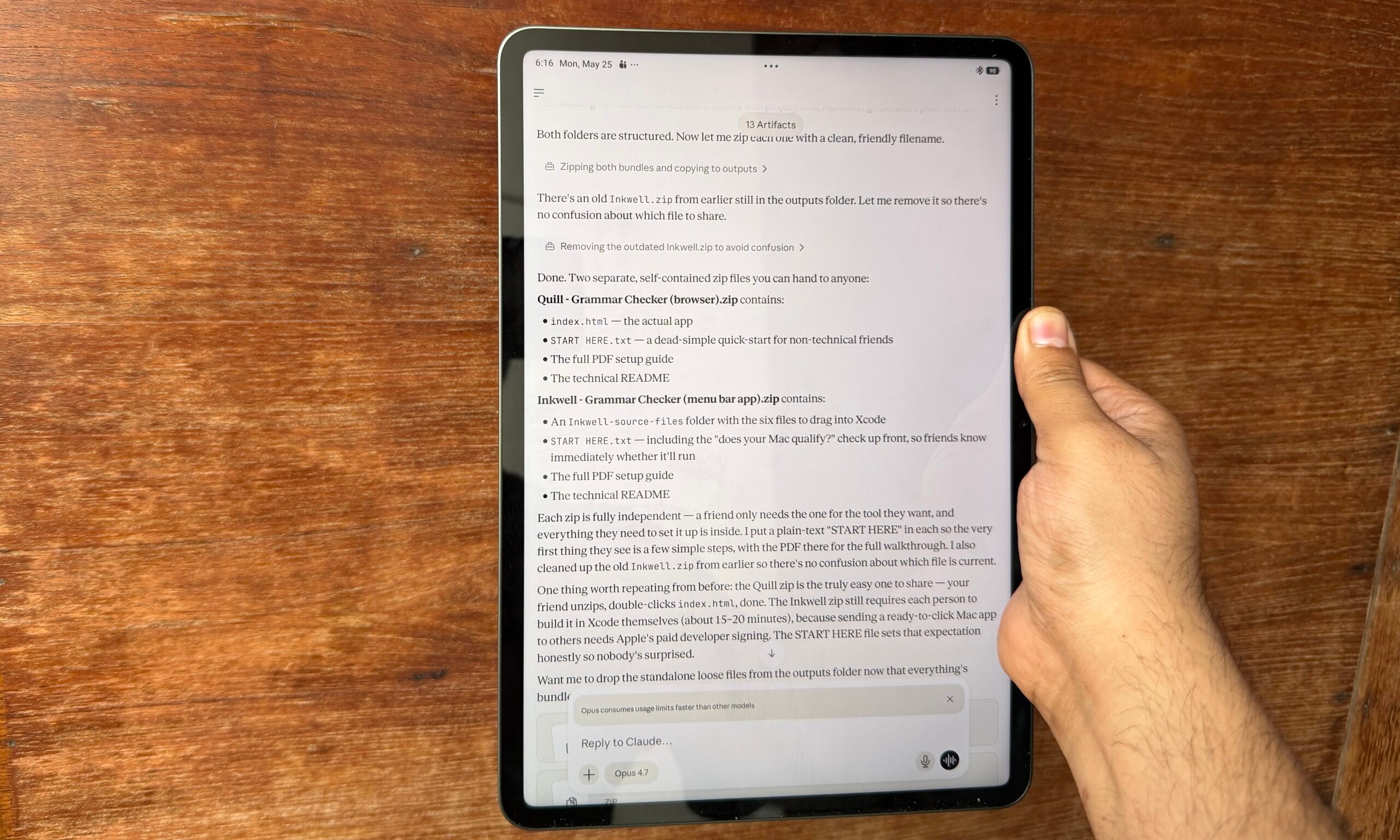
Running Claude on Android.

Whenever a new AI model arrives, it's easy to get caught up in the bells and whistles. We talk about how much smarter it is, how quickly it answers questions, or how realistic its images have become. But here's the thing: none of that matters much if the AI can't reliably work with the apps and services people use every day.

That's why an upcoming update to the Model Context Protocol (MCP) caught my attention. It isn't a new chatbot or a fancy AI model. In fact, most people will never even know it's happening. But it could quietly make the AI ecosystem a lot healthier. If you've never heard of MCP before, don't worry. Think of it as a shared language that lets AI assistants safely talk to apps like Gmail, Slack, calendars, databases, and countless other services. Instead of every company inventing its own way to make those connections, MCP gives everyone a common rulebook.

Read more