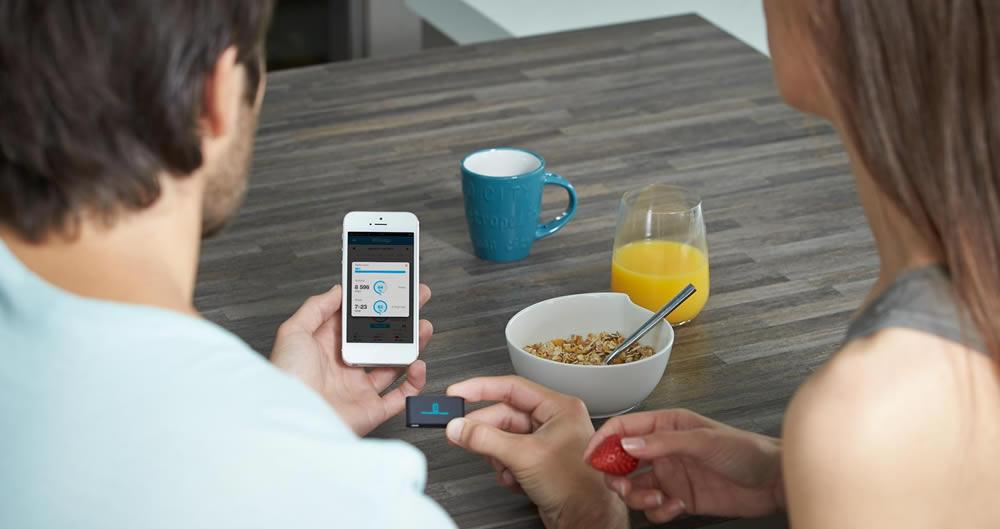
Shipping within the next thirty days according to the landing page for the new fitness product, the Withings Pulse is a health activity tracker with similarities to the Fitbit One, Jawbone Up and Nike+ Fuelband. Looking for a way to differentiate the health gadget from competitors, the Pulse includes a heart rate monitor that can be activated by holding a finger to a specific spot on the back of the device. Ideal for keeping track of beats per minute when working out, the heart rate is displayed on the front of the device along with a heart icon.
 In addition to the heart rate feature, the Pulse keeps track of steps taken per day, stairs climbed, distance traveled and total calories burned over the course of a day. Similar to the Fitbit One or Flex, the Pulse keeps track of a user’s quality of sleep during the night.
Sleep data tracked includes time in bed, time spent sleeping, the number of times the user wakes up, periods of deep sleep and periods of light sleep. However, it does not have a silent vibration alarm to wake up a user; a feature found on the Fitbit One and Flex. Packaged with the Pulse, Withings includes a wristband for sleeping and a metal clip for wearing the device on clothing during the day.
Similar to other fitness gadgets, a Pulse user can upload all this data to Withings and keep track of weekly trends within the Web or mobile interface. Data can also be synced directly to an iOS (3G, 4, 4S, 5) or Android (2.3.3 or higher) smartphone over Bluetooth 4.0 and the Withings Pulse application. In addition, the user can view the last two weeks of data on the Pulse device. The user simply swipes their finger across the screen to cycle through different days of the week to view the fitness data.
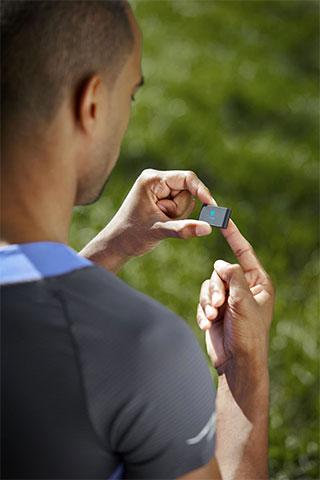 Regarding product design, Withings went with an OLED display for the screen at 128 by 32 resolution. Inside the Pulse, Withings is using a 3-axis accelerometer and optoelectronics sensor to track the motion and heart rate data. Identical to the Fitbit One, the Pulse weighs just eight grams.
If a user plans to run with the Pulse, the device can operate in temperatures between 14 °F to 113 °F. Regarding battery life, the Pulse can operate for two full weeks before requiring a recharge. Withings has included a standard USB charging cable with the device in order to charge it with a laptop or desktop computer.
At this time, Withings hasn’t announced a specific launch date for the Pulse. Anyone interested in the device can preorder the Pulse through Withings or retailers like Amazon. Regarding price point, the Withings Pulse is in line with other fitness devices at a $100 price point. However, the fitness gadget market is currently trending towards a wristband style device instead of the clip-on tracker. Since most fitness tracking wristbands can be worn in the shower, the user never has to take the wristband off until it needs a recharge. Alternatively, clip-on gadgets can be forgotten on the previous day’s clothing or accidentally left on the bedroom nightstand the following day.