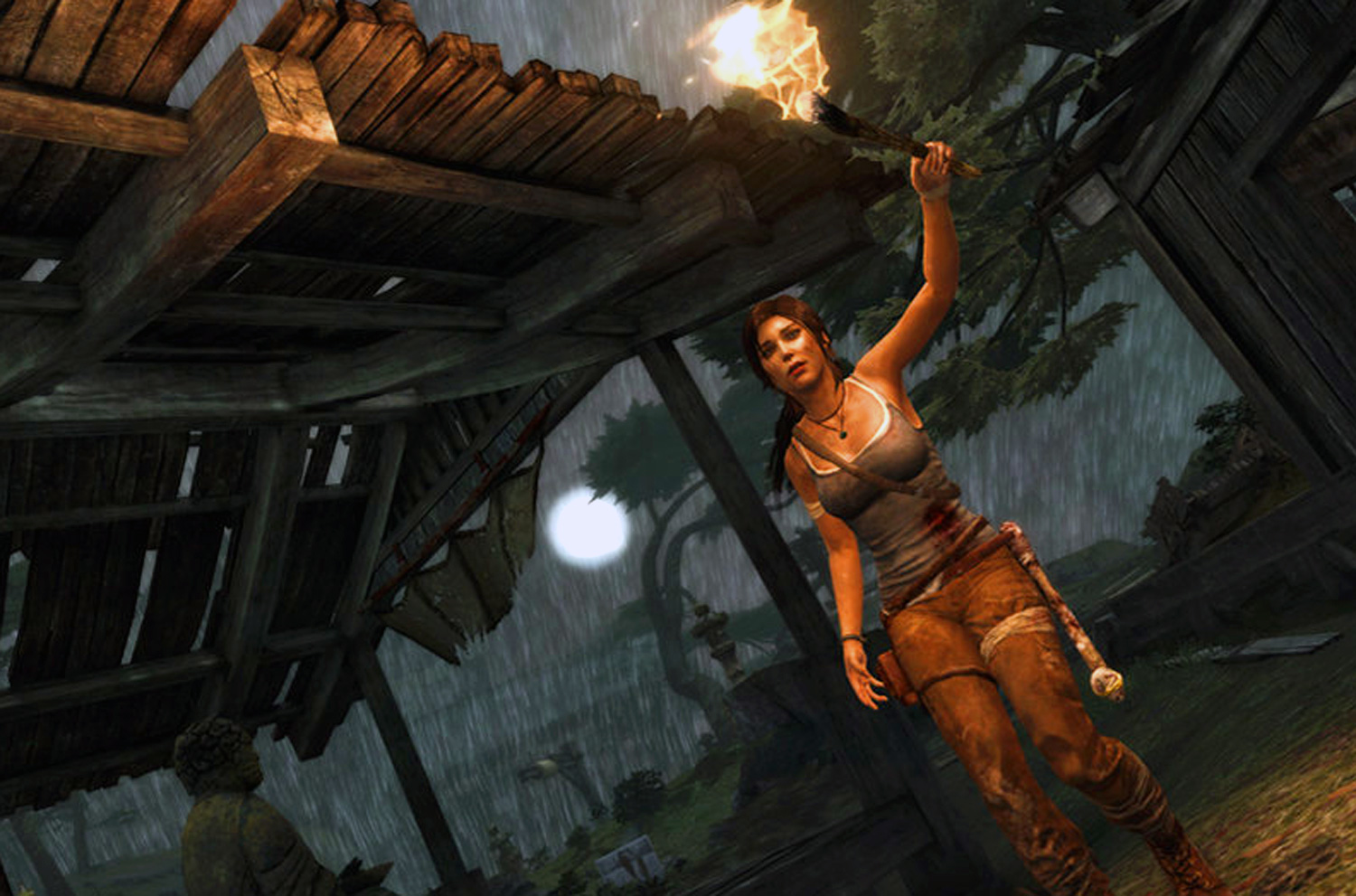
The years have not been kind to Square-Enix. Even as its 2009 acquisition of Eidos has yielded commercial and critical hits like Deus Ex: Human Revolution and the recently released Tomb Raider, the once powerful Japanese publishing giant has watched its fortunes dwindle. Even as its business on mobile devices like iPhone and in browser games has increased, Square-Enix has still incurred heavy losses due to tepid console game sales, internal game development gridlock, and massive failed releases like the MMO Final Fantasy XIV. With just days to go before the end of Square-Enix’s fiscal year, the company shared projections with its investors on Tuesday morning. In light of an “expected extraordinary loss,” Square-Enix CEO Yoichi Wada is stepping down from his post after 13 years with the company.
Square released three reports ahead of its full fiscal year report due in April. The first of these was a major revision to its earnings forecast for the full year. Sales compared to fiscal 2012, when the company reported total income of nearly 128 billion yen, around $1.6 billion at the time, are expected to be flat due to current exchange rates, with 145 billion yen projected for fiscal 2013, or more than $1.5 billion. The blow to the gut, however, is the expected loss. In fiscal 2012, Square actually netted income of more than 6 billion yen, around $64 million. It’s modest, but still income. While it was previously expecting to report 3.5 billion yen ($37 million) in income for the year, it’s now projecting an income loss of 13 billion yen (nearly -$138 million.)
“Slow sales of major console games in North American and European markets” is cited as the primary reason for the revised forecast, but poor Hitman: Absolution sales alone aren’t behind the loss. This loss is due not just to disappointing game releases, but massive reorganization of the company. 10 billion yen ($106 million) of its expected losses are due to overhauling the company. “In view of the rapidly changing environment of the game businesses, the company has decided to implement major reforms and restructuring in its development policy, organizational structure, some business models, and others,” reads Square’s statement. Its bracing investors for a huge loss that is “extraordinary” because it doesn’t plan to repeat it in the future.
In fact Square’s full announcement reflects just how far it’s going to guarantee that it won’t see a similar loss in 2014. Yoichi Wada, who joined Squaresoft as executive director in 2000 and became CEO of Square-Enix in 2003 following that merger, will step down from his leadership position. Replacing Wada is Yosuke Matsuda, formerly Square-Enix CFO. Matsuda’s been with the company since 2002, primarily as a business overseer, with his only production credit on the PlayStation 2 RPG Unlimited Saga.
What will happen to Square-Enix in the coming year? Sega’s fiscal 2012 results were much like Square-Enix’s this year, a time that saw the company consolidate by cancelling titles and closing studios around the world. Square has already streamlined its console business to rely heavily on Eidos studios for console game output, and with investments already made in games like Thief, don’t expect I/O Interactive, Crystal Dynamics, or Eidos Montreal to be closed in the wake of the announcement. The greatest restructuring will likely take place in Square’s Japanese development studios, which have been in a state of gridlock since starting work on Final Fantasy XIV: A Realm Reborn in 2011. In short: The company won’t stop making Final Fantasy or Kingdom Hearts, but the future of other Japanese Square output is in question.