1. Home
  2. Audio / Video
  3. Legacy Archives

iRiver bites the Apple, releases firmware update for AK100

Add as a preferred source on Google
Image used with permission by copyright holder

For more, check out our full review of the iRiver Astell & Kern AK100 audio player.

There’s already been plenty of ado about iRiver’s AK100. The product is essentially a super-powered iPod, armed with a Wolfson WM8740 Digital-to-Analog Converter (DAC) which iRiver claims will deliver digital tunes the way they’re meant to be heard. Ironically, however, despite it’s creator’s titular homage to Apple products, the AK100 did not offer support for Apple-based codecs until now.

Recommended Videos

Yesterday, iRiver released firmware update version 1.3 for the AK100, which adds support for AAC, ALAC and AIFF files, rounding out a lineup that already includes MP3,WAV, WMA and APE, among others. It’s no secret that the ever-popular iPod isn’t exactly audiophile-quality, but now – if you’re willing to shell out $700 – you can hear your iTunes library in a whole new way.

When we took the AK100 for a spin, we found the interface and feature set left something to be desired – but boy did the sound quality knock our socks off. To say that the product boasts superior audio as compared to the iPod would be a criminal understatement.

Still, the AK100 presently poses no threat to Apple’s ubiquitous device. Given its sky-high price point, it’s obvious that iRiver isn’t courting the mainstream anyway. But what if the price of the technology came down? We could certainly see consumers paying a smaller premium for the AK100’s impeccable audio. And we have fun imagining  Apple incorporating higher-end digital reproduction in future devices as a response.

We’ll be posting an in-depth review of the product in the coming week. Stay tuned.

Adam Poltrack
Former Contributor
Adam is an A/V News Writer for Digital Trends, and is responsible for bringing you the latest advances in A/V…
Topics
TCL built a 22-speaker soundbar for turning living rooms into movie theaters, but it’s skipping the US
Here's everything inside TCL's new flagship Q95K soundbar, from its Bang & Olufsen tuning to its 360-degree sound tech.
Electronics, Speaker, Home Theater

I've used enough soundbars to know most "360-degree audio" claims are marketing fluff dressed up as innovation. TCL's new flagship might actually have the hardware to back that claim up for once.

The Q95K is TCL's new flagship soundbar. It's built around an 11.1.4 channel Hi-Fi architecture and tuned in collaboration with Bang & Olufsen. To me, it sounds like a serious attempt to compete with premium home theater setups.

Read more
Lenovo brings Bose-tuned Yoga headphones to the US and they don’t cost a fortune
Lenovo has a sub-$200 Bose-tuned headset for anyone glued to a Yoga laptop
Electronics, Headphones

Lenovo is entering the crowded noise-cancelling headphone market with a pair priced just a penny shy of $200. Called the Headphone Yoga PC Edition, they combine Bose-tuned audio, ANC, and a design built to complement the company’s Yoga laptops.

Initially announced at CES 2026, the Cosmic Blue version is now available directly from Lenovo in the US. The headphones are designed to complement Yoga PCs, although Bluetooth 5.3 and a 3.5mm input allow them to work with phones, tablets, and computers from other brands.

Read more
Stop joining group projects with a blurry laptop webcam and buy one of these instead
Your laptop webcam is sabotaging your first impression. These five can fix it
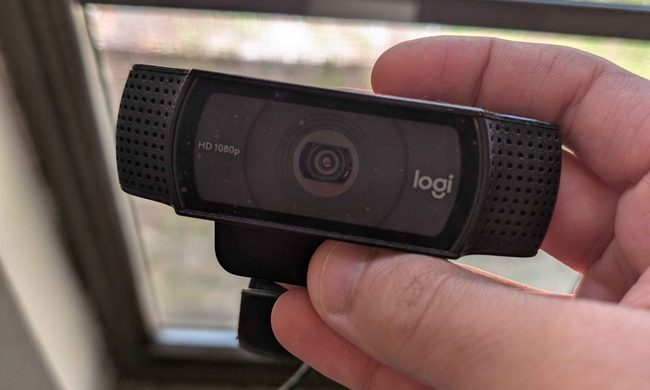
I'm holding my Logitech C920 1080p webcam in my hands.

The webcam built into your laptop might be good enough for a quick call with friends and family. But its shortcomings become much harder to ignore when you are presenting a semester project, interviewing for an internship, or maybe if you're planning to stream for fun.

Laptop cameras also tend to sit far too low, especially when the computer is placed directly on a desk. Meanwhile, a dedicated webcam lets you position the camera closer to eye level. This improves the framing and brings larger sensors, better microphones, and more effective low-light processing.

Read more