1. Home
  2. Smart Home
  3. Legacy Archives

Click Fraud Cost $666 Million in 2006?

Add as a preferred source on Google

Think tank IncreMental Advantage, which publishes research on topics ranging from public utilities and overseas investing to intellectual property and advertising, announced today it believes Internet advertisers lost as much as $666 million to online click fraud during 2006, much of that due to the activities of organized crime. In its new report, Combating Click Fraud, the firm argues the practice has become so pervasive that it’s stunting the growth of online advertising—an assertion that may make ad-dependent Internet businesses like Google, Yahoo, and AOL take notice.

Click fraud is the practice of generating fraudulent clicks on Web banners and other advertising for the purposes of jacking up the number of clicks an advertiser believes an ad received from real Internet users. Since many ad programs pay ad hosts on the basis of click-throughs, the false clicks are a way for advertisers to generate revenue for themselves, even though the clicks don’t translate to real users expressing interest in an advertised service or product. The practice has been around as long as Internet advertising networks, but has become an international phenomena in recent years.

Recommended Videos

According to IncreMental Advantage, a great deal of click fraud comes from clickbots and click farms (automated networks of scripts and zombie machines designed to generate fraudulent clicks on advertisements); the report also finds that businesses will sometimes commit click fraud to make their advertisements look more appealing—and this more valuable to publishers—than those of their competition.

But $666 million dollars lost to click fraud last year? Doesn’t that number seem a little precise—and a little symbolic—for a global estimate?

Geoff Duncan
Former Contributor
Geoff Duncan writes, programs, edits, plays music, and delights in making software misbehave. He's probably the only member…
Remember Samsung’s Ballie home robot? It may finally be inching closer to reality
Leaked app wireframes give the strongest hint yet that Samsung's Ballie home robot, first shown at CES 2020, might still be headed toward an actual release.
Samsung Ballie robot in a room next to a dog feeder.

Samsung's rolling home robot has been the industry's longest-running "will it ever actually ship" joke, and I'll admit I'd mostly given up on it. Now, there's finally a glimmer of hope.

Samsung first unveiled Ballie as a concept at CES 2020. Then, it showed it as a significantly upgraded version four years later. However, the company never confirmed a release date or committed to releasing it at all. 

Read more
The US foreign-made robot crackdown is coming for future Roombas too
Future Roombas face new US sales hurdles, but existing models are unaffected
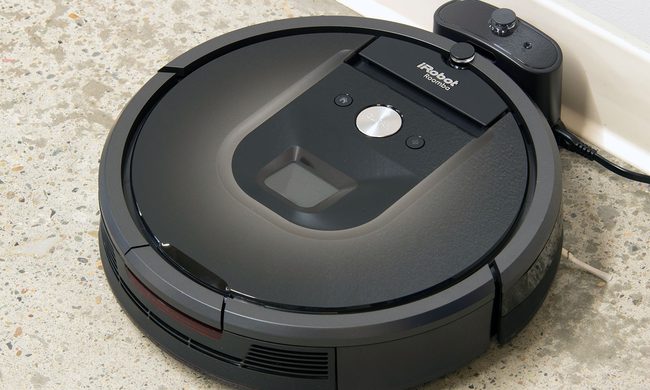
Roomba 980

The FCC has already made it much harder for foreign drone makers such as DJI to bring new products into the US. Now, the same crackdown is reaching a machine far more likely to be moving around your living room.

The US government recently added foreign-made advanced robotic devices to the FCC’s Covered List. The announcement appeared focused on humanoids, robot dogs, and industrial machines, but an FCC spokesperson has confirmed to The Verge that robot vacuum cleaners are covered too.

Read more
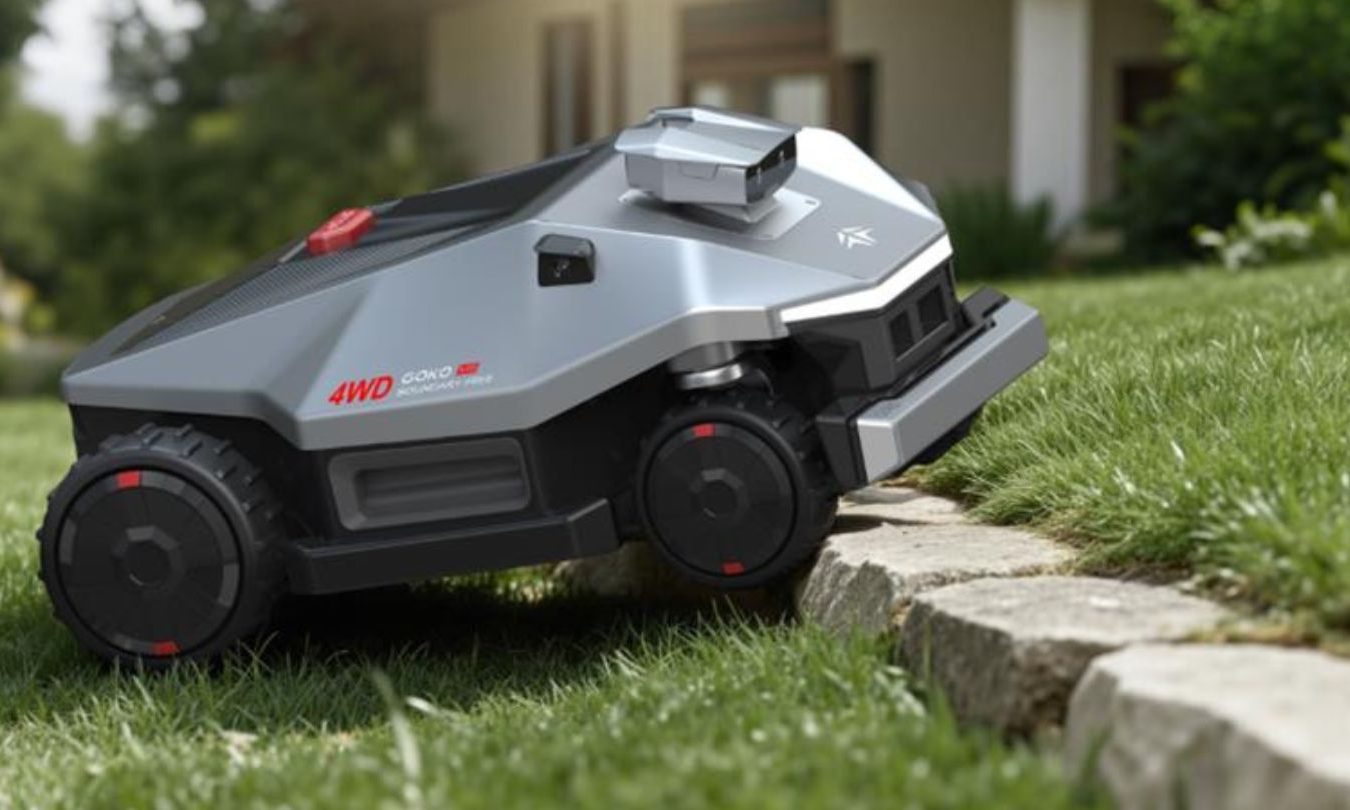
The GOKO M6 Robotic Lawn Mower Brings Industrial Robotics to Modern Lawn Care
7 reasons this AI-driven powerhouse makes hands-free yard work smarter than ever
Grass, Lawn, Plant

Robotic lawn mowers can save homeowners hours of manual yard work, but not every model is designed for challenging properties. While many perform well on flat lawns, larger yards with uneven terrain, steep slopes, and multiple mowing zones require a mower built for more demanding conditions.

Developed by GOKO, the consumer robotics brand of Robot++, the GOKO M6 is an industrial-grade 4WD AI-powered robotic lawn mower that brings more than a decade of industrial robotics expertise to residential lawn care. It combines AI-powered four-wheel drive, advanced navigation technologies, and AI QuadVision obstacle detection to tackle complex landscapes with less manual intervention.

Read more