1. Home
  2. Smart Home
  3. Photo Galleries
  4. Legacy Archives

Cubed, crushed, or … coffee? GE’s new Café fridge will brew up a K-Cup

Add as a preferred source on Google

Soon, you’ll have a good reason to stare at your refrigerator: It’ll be making you coffee. GE Café French doors have had in-door, hot-water dispensers for a while now, but the appliances have just merged with Keurig coffee makers to create a mutant fridge that can brew java right from its door. Customers have already been using the hot-water dispenser to make soup, tea, and cocoa with the push of a button. The feature proved popular, and GE looked for a way to expand it with the GE Café Series refrigerator with Keurig K-Cup Brewing System.

Much like its other products, the Keurig uses K-Cups to brew a single cup of coffee at a time. The brewer is removable; you take it out, pop in the K-Cup, and slide the brewer back in place to make a 6-ounce, 8-ounce, or 10-ounce cup. A separate reservoir, which is independent from the ice maker, heats the water to the optimum temperature of 190 degrees. The whole process takes about four minutes, similar to the amount of time a Keurig to heat up. if you want to make a second cup, you’ll have to wait another 30 seconds. As with other connected coffee makers, you can control it from your smartphone and have it start heating up right when you wake up. The brewer is dishwasher safe, so it’s easy to clean.


Certain travel mugs will fit under the brewer, but it’s designed to be similar to countertop units, says Dan Goldstein, GE’s Refrigerator Marketing Manager. Extra-tall glasses could pose a problem.

The brewer works with 400 varieties of K-Cups and wasn’t designed for reusable cups, says Ben Yoder Director of Marketing, Partners, for Keurig. However, the technology inside the fridge is different from that in the Keurig 2.0, which doesn’t let users brew with off-brand packs. If the brewer isn’t scanning the cup’s label, you might still be able to get away with “rebel” packs.

As one of the largest appliances in the kitchen, the fridge takes up valuable real estate. The more it does, the better it is for consumers. Marrying the hulking appliance with a coffee maker also frees up counter space, and makes reaching for the milk way easier.

Caffeine addicts will have to wait until the fall to buy the $3,300 fridge.

Jenny McGrath
Former Senior Writer, Home
Jenny McGrath is a senior writer at Digital Trends covering the intersection of tech and the arts and the environment. Before…
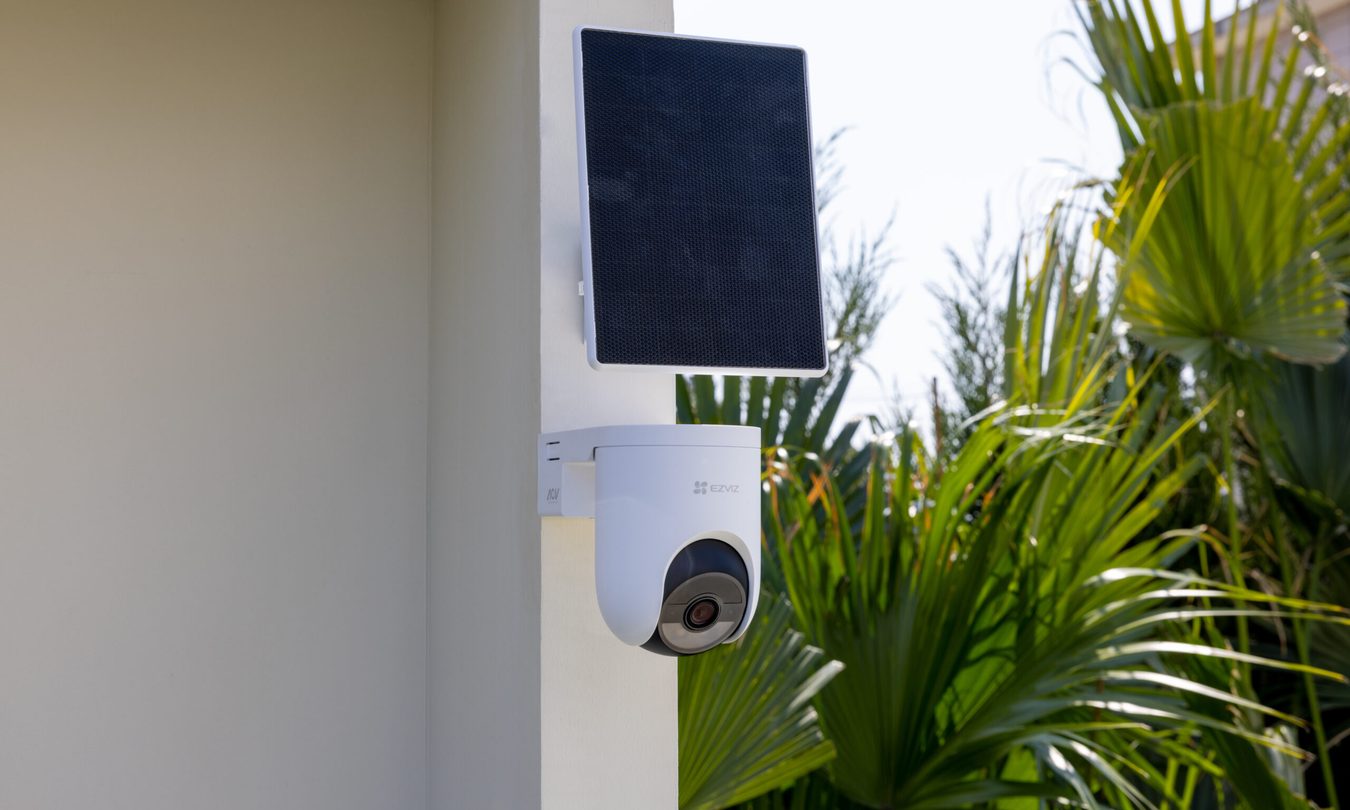
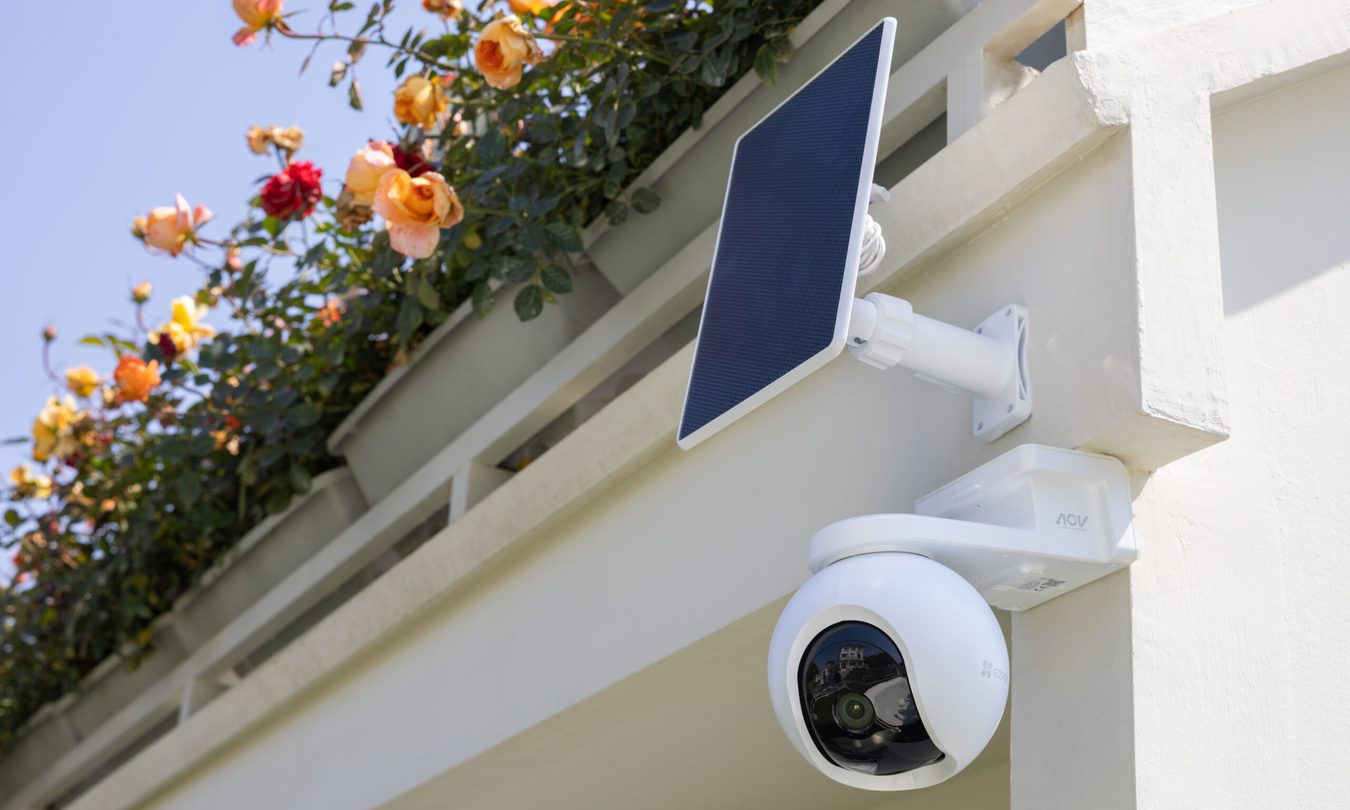
Why Your Next Outdoor Security Camera Might Need Three Lenses
EZVIZ Puts Triple-Lens Outdoor Security in the Spotlight at IFA 2026
camera, security camera

Monitoring a home often means watching several things at once. Just as a car pulls into the driveway, a visitor might approach the front gate, or movement could catch your eye in the side garden. For many European homes, this is a familiar scenario.

The challenge becomes even more noticeable when a property includes a backyard, detached garage, or swimming pool. Installing another camera for every angle is one solution, but it also means more devices to set up, manage, and maintain.

Read more
I played with Yarbo’s yard robot at IFA, and now I want one for every season
One tracked robot, a new job for every season
Yarbo M-series Featured 2

I’ll admit, I wasn’t expecting a yard robot to be one of the more entertaining things I’d get my hands on at IFA 2026. Then I walked over to Yarbo’s booth and started playing around with the M Series.

The basic idea is wonderfully simple: instead of buying a different robot for every outdoor chore, Yarbo gives you one tracked robotic Core and a collection of attachments. Swap the module, and suddenly your robot has a completely different job. Mowing? Yep. Snow? Yep. Leaves? Yep. And there’s even a trimmer module on the way.

Read more
WindGroove’s AirFi One imagines a smarter home with fewer devices
The future of smart homes may not be more devices, but better-designed experiences
Architecture, Building, Furniture

The future of smart homes may not be more devices, but better-designed experiences

Minimalism has reshaped almost every corner of the modern home. Kitchens hide appliances behind seamless cabinetry, televisions have become slimmer and more discreet, and storage is increasingly designed to disappear into the architecture. The goal isn’t simply to own better things. It’s to create spaces that feel calmer, cleaner, and more intentional. Smart home technology, however, has largely moved in the opposite direction. Every upgrade seems to introduce another speaker, another controller, another light, or another connected device competing for space and attention.

Read more