  1. Home
  2. Smart Home
  3. News

The Whizz Bang helps boys improve their marksmanship when nature calls

Add as a preferred source on Google
Image used with permission by copyright holder

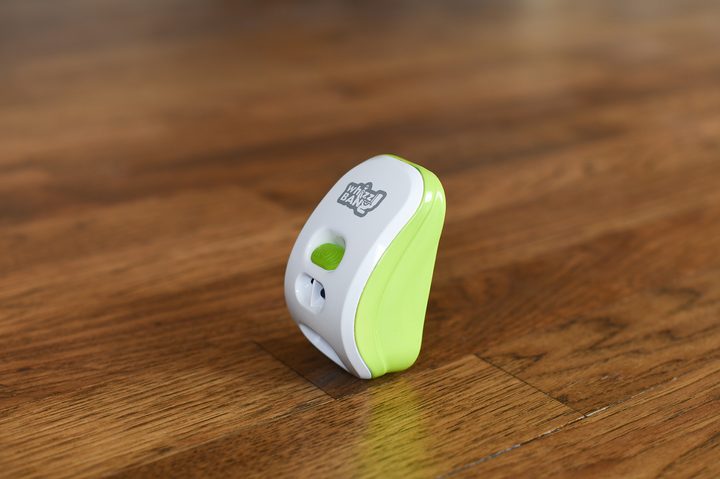
No one likes to walk into the bathroom and discover evidence of poor marksmanship on the toilet seat. For parents and spouses sick and tired of cleaning up someone else’s mess before doing their own business, there’s Whizz Bang.

Instead of allowing a bathroom goer — be it a child who is just learning how to use the toilet or an adult who should know better — to shoot from the hip, Whizz Bang turns every trip to the toilet into a game.

Recommended Videos

The device installs with a simple, universal mount. Once in place, it creates a target to aim at with an LED light. That bull’s eye not only helps kids maintain their focus on the process of peeing, it helps people of all ages cut down on the splash back that can come from poorly aimed bathroom trips. It doesn’t quite turn your toilet into a fully functioning smart toilet, but it does the trick for its specific task.

Whizz Bang - Official Indiegogo Video

When a person going to the bathroom manages to hit the LED target projected into the toilet bowl, they are rewarded with arcade sound effects that encourage them to stay on target. The product doesn’t go all the way with gamification—there are no scores or long-term tracking of any sort. That’s probably for the best, though. Unlocking achievements for going to the bathroom may be a step too far (and it may even have the accidental side effect of encouraging people to drink more water so they can play more).

To be clear, Whizz Bang is not yet available, so if you’re looking for a quick fix to your potty training woes, you’ll have to look elsewhere. The product is currently raising funds via IndieGoGo and is looking to raise $10,000 within the next month.

Pre-orders for the product start at $19 and promise delivery to “early bird” backers by April 2019. If you don’t get in on the discounted price for early supporters, Whizz Bang will run you $24 — though the delivery date remains the same. Or you can use the eight-month wait to receive the Whizz Bang to train your children without the benefit of technological assistance.

AJ Dellinger
AJ Dellinger is a freelance reporter from Madison, Wisconsin with an affinity for all things tech. He has been published by…
My smart home experiment has reached its natural limit
Smart-home technology keeps improving, but being easier to automate doesn’t make everything worth automating
Computer, Electronics, Laptop, Smart Home

The first device I added to my smart home was a light bulb. It seemed like the safest possible place to start. I could turn it on from anywhere, put it on a schedule, and eventually work it into routines with everything else.

Then I tapped the button in the app and waited. The delay was only about half a second, but half a second is surprisingly noticeable when the alternative is a wall switch that responds immediately and has never once asked for a firmware update. Using my phone was worse. I had to unlock it, find the app, open the right room, and tap the light I could have switched on several steps earlier.

Read more
Google Home’s Interactive Storytime feature has me wondering who actually asked for this
Google Home gets interactive AI storytime, smarter alarms, and broader camera support.
Computer, Electronics, Tablet Computer

Google Home's latest update introduces several new features, including Gemini-powered Interactive Storytime. While I’m not sure who asked for the feature, it lets families build original stories about specific topics on the fly, instead of just listening to a known story. 

So what's the big new feature here?

Read more
Proxima wants to move blood tests into the home, and it has cleared an important early hurdle
The portable analyzer delivers blood-count results in about 20 minutes, but its promise depends on transparent clinical data
Furniture, Table, Desk

Algocyte’s Proxima is designed to run blood-count tests from a small finger-prick sample and send the results to a clinician in about 20 minutes. For patients who need frequent monitoring, that could mean fewer trips to a clinic or laboratory.

The device has also moved beyond the concept stage. Proxima carries UK conformity credentials, while Algocyte operates under a certified medical-device quality system. Those steps give the project more weight than a prototype shown at a launch event.

Read more