1. Home
  2. Wearables
  3. Mobile
  4. News

Blood oxygen tracking isn’t coming back to the Apple Watch anytime soon

Add as a preferred source on Google
Apple Watch Ultra taking a measurement for blood oxygen levels.
Christine Romero-Chan / Digital Trends

One of the major selling points of Apple Watches in recent years has been the ability to test users’ blood oxygen levels. Unfortunately, ongoing litigation has prevented this feature from being included in Apple Watches sold in the U.S. since January. Now, it seems unlikely that this situation will change soon.

On Friday, a Delaware jury found that health-monitoring technology company Masimo infringed on some of Apple’s earlier smartwatch patents. As a result, Apple received an award of only $250. However, the same jury ruled that Masimo’s current watches did not infringe on the patents that Apple accused it of copying. Consequently, an injunction remains in effect in the U.S. that prevents the company from offering blood oxygen tracking on new watches sold in the country.

Recommended Videos

At the beginning of the year, the U.S. International Trade Commission ruled in favor of Masimo, saying Apple’s use of pulse oximeter technology in the Apple Watch violated Masimo’s patents. As such, any Apple Watch sold after January 18, 2024, couldn’t ship with the feature. Soon after, Apple appealed the decision and countersued, alleging Masimo copied Apple Watch features to use in its smartwatches. Since then, it has been unsuccessful in getting the injunction lifted by a court.

Apple’s blood oxygen feature was first available on the Apple Watch Series 6 in 2020. Since then, it has been available on every non-Apple Watch SE model up to the injunction. The all-new Apple Watch Series 10 has the hardware to support blood oxygen tracking. Therefore, whenever a resolution is reached between the two companies, Apple could push out a software update to add those features to watches currently without them.

Blood oxygen tracking measures the percentage of oxygen currently carried by a user’s red blood cells. Numbers below 95% suggest possible health issues, including respiratory conditions, sleep apnea, heart conditions, or more. It’s an incredibly helpful feature, but due to this latest ruling, it will continue to be missing from Apple Watches for the foreseeable future.

Bryan M. Wolfe
Former Mobile and A/V Freelancer
Bryan M. Wolfe has over a decade of experience as a technology writer. He writes about mobile.
Google could soon let you unlock your Pixel Watch with your phone
An in-development feature could flip the current Watch Unlock feature, letting an authenticated phone unlock the watch automatically.
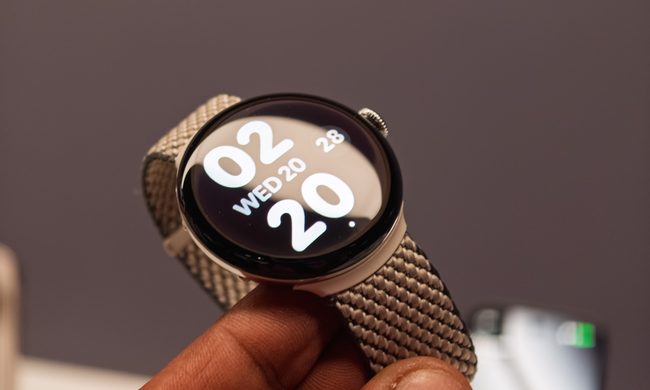
Google Pixel Watch 4 in black in the hand

If you've set up a PIN on your Pixel Watch, you already know the prompt that shows up every time you slip it back on your wrist. It's a useful security measure, but entering a PIN on that small screen multiple times a day gets old fast. A new report suggests Google may be working on a way to let you skip it.

Watch Unlock in reverse

Read more
A new iPhone app can sniff out Meta smart glasses lurking nearby
Your iPhone can now keep an eye on the glasses keeping an eye on you
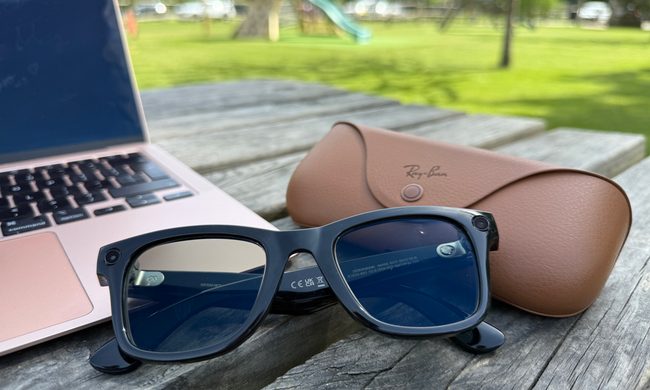
The Ray-Ban Meta smartglasses and case.

Android users got an unusual privacy tool earlier this year that could alert them when smart glasses were nearby. Five months later, iPhone owners finally have something similar, and its name makes its feelings about Meta pretty obvious.

AntiZuck is a $2.99 iPhone app that scans for Bluetooth signals associated with smart glasses and alerts you when it thinks one is close. It supports devices including Meta Ray-Bans, Snap Spectacles, Amazon Echo Frames, and RayNeo glasses, while the developer says additional hardware is being added.

Read more
Apple’s smartwatches will look the same for at least another year, or two
Apple's Series 12 and Ultra 4 are reportedly skipping a redesign this year, leaving chip upgrades and health tracking to carry the entire generation.
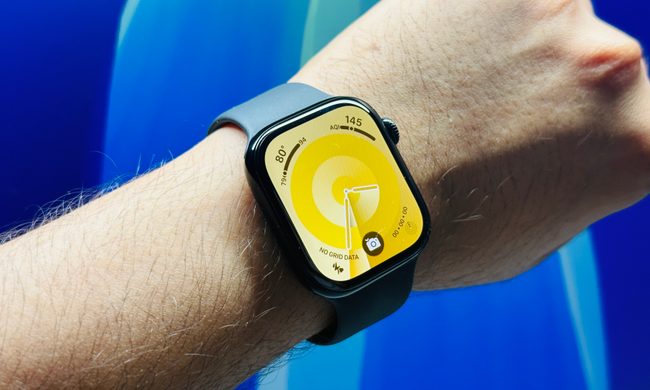
Apple Watch Series 11 on home screen.

For the last few years, every single Apple Watch has looked identical to the last. The Apple Watch Series 11 shared its dimensions and looks with the Watch 10, and the Watch 10 with the Watch 9. Turns out that streak might not break in 2026 either.

So what's actually changing this year?

Read more