
It’s pretty common for phone manufacturers to make multiple devices to fill the needs of different sections of their prospective markets. There’s a benefit to offering a well-rounded lineup. Samsung and LG decided to take this idea a bit too literally. We’re not sure if people were really clamoring for a curved phone, but there are two options to choose from. LG announced the G-Flex today and immediately fired shots at Samsung’s Galaxy Round by calling the G-Flex the first “real” curved smartphone. To be fair, we do think the Galaxy Round is ‘real,’ but which one of these bent beasts is best for you? Let’s take a look at the very real specs to get a better idea.
|
LG G Flex 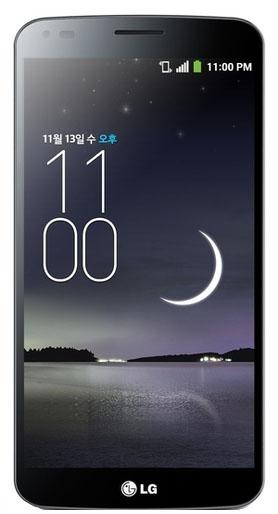 |
Galaxy Round 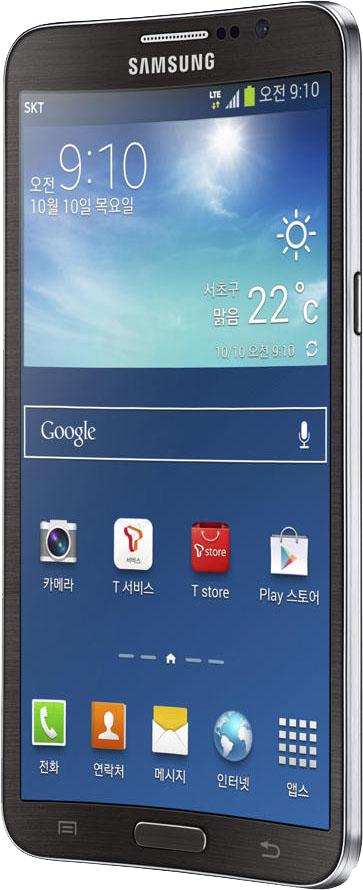 |
|
| Size | 160.5 x 81.6 x 7.9 (mm) | 151.1 x 79.6 x 7.9 (mm) |
| Weight | 177g | 154g |
| Screen | 6-inch Curved P-OLED | 5.7-inch HD Super AMOLED |
| Resolution | 1280×720 pixels | 1080×1920 pixels |
| OS | Android 4.2.2 | Android 4.3 |
| Storage | 32GB | 32GB |
| SD Card Slot | Yes | Yes |
| Processor | Quad-core Snapdragon 800 | Quad-core Snapdragon 800 |
| RAM | 2GB | 3GB |
| Connectivity | Wi-Fi, 4G LTE, HSPA+, NFC | Wi-Fi, 4G LTE, HSPA+, NFC |
| Camera | Front 2.1MP, Rear 13MP | Front 2MP, Rear 13MP |
| Bluetooth | Yes, version 4.0 | Yes, version 4.0 |
| Gimmick | Flexible display | Flexible display |
| Battery | 3500mAh | 2800mAh |
| Charger | Micro USB | Micro USB |
| Marketplace | Google Play Store | Google Play Store |
| Ave. Price | N/A | $1,000+ off contract (estimate) |
| Availability | Nov. ’13 in Korea | Korea |
On Bended Screen
No surprise that the displays of these devices draw the most attention. LG made sure to immediately draw attention to the contrasts of the screens in its announcement. The company claims the G-Flex is built for better ergonomics thanks to its horizontal curve as opposed to the Galaxy Round’s vertical one. LG believes its phone will provide more comfort during phone calls, which we guess means the Round is better for sitting on in your pocket. (Maybe it’s dimensions conform to your leg?) It’s hard to say which curve is better and if either are useful or warranted at all. The Galaxy Round likely feels better in your hand, an appeal to the texting fiend and Web browser in us, while the LG is better suited for those that are thankful for unlimited talking plans.
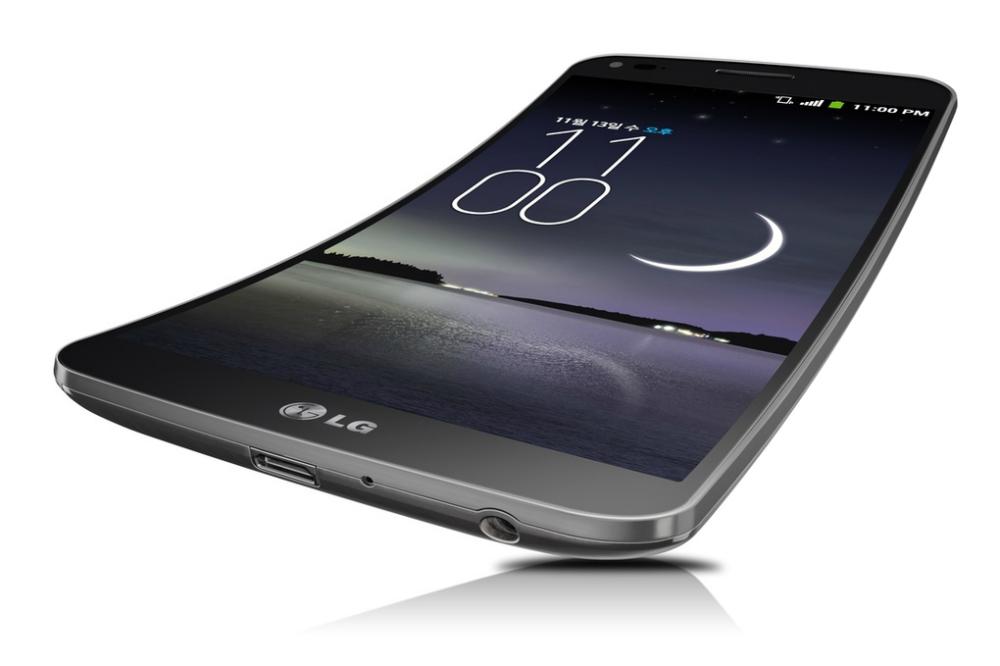 Outside of the bend in the display, LG brags about the G-Flex’s Real RGB screen, which promises to show off colors in their truest, brightest form. They’ll have to hope this makes up for the lower resolution display, as the G-Flex is 720p compared to the Round’s 1080p. The Galaxy Round is essentially a Galaxy Note 3 with a slight fold to it, and the Note 3 has a pretty impressive screen of its own. On the flip side of the screen itself, the LG G-Flex has a “self-healing” protective film designed to absorb and repair scratches and marks within minutes. So if you’re constantly dropping your phone and still can’t get a grip on it despite it being curved to fit right in your palm, then the G-Flex will fix itself for you.
Outside the display, the Galaxy Round and LG G-Flex are almost identical. Both run with the same processor – the Quad-core Snapdragon 800 from Qualcomm – though the Round has an extra gigabyte of RAM. Internal storage and both front and rear cameras on each device are similar. They’re even both available in just Korea at the moment. The LG G-Flex does sport a bigger battery, though, which bodes well for those that find the phone to fit nicely against their face.
We’ll have to wait until we can get our hands around these devices to see which one fits better in our palm. The LG G-Flex doesn’t land until later in November and will only be available in Korea to start, just like the Round.


