1. Home
  2. Phones
  3. Android
  4. Mobile
  5. News

With new automatic transfers, Google Wallet users no longer have to ‘cash out’

Add as a preferred source on Google

The battle of the digital wallets just got more fierce. As part of its ongoing attempt to make it easier than ever to pay — and more importantly, get paid — Google has updated its Google Wallet mobile app to allow for automatic transfers to your bank account. That means the end of cashing out, because when you’re in a rush to get your hard-earned money, the last thing you want to do is jump through multiple hoops, right?

Previously, users had to withdraw a balance, or cash out, and didn’t have the option of a direct transfer.

Recommended Videos

Over the course of the next week, Google is slated to gradually roll out the new feature, which ought to speed up the process for Wallet users to actually access cash. This puts Google Wallet in much closer competition with other payment services like PayPal, Venmo, Square Cash, and other big names. Once the update is fully implemented, users will be able to choose a bank account or debit card for their automatic transfers, either from within the app or from the web. After this has been set up, users will no longer have to “cash out” money — instead, it’ll just be available on the spot. Well, almost.

Sure, you don’t have to go through the extra step of cashing out, but depending on your bank and whether you’re transferring funds to a debit card or a bank account, you could still have to wait a bit. While debit card transfers should be instant in the majority of situations, banks could take between one and three days to show your new balance.

Don’t worry — if you want to keep money in your wallet account, that’s totally fine, too. It’s secure, Google says, as your Wallet app can “only be accessed with your Google Payments PIN.” Should you happen to lose your phone, you can ensure that no one else has access to your digital wallet by removing access by way of myaccount.google.com.

Lulu Chang
Fascinated by the effects of technology on human interaction, Lulu believes that if her parents can use your new app…
Google’s priciest Pixel 11 may bring a smaller battery and a bigger bill
Google’s next Pro Pixels may turn “less for more” into a flagship feature
Rear shell of Google Pixel 10 Pro.

Google’s next flagship phones may ask buyers to accept two changes that rarely sit well together: smaller batteries and higher starting prices. Reliable leaker Roland Quandt claims the Pixel 11 Pro will carry a 4,850mAh battery, while the larger Pixel 11 Pro XL will offer 5,115mAh. The same leak puts their UK prices at £1,079 and £1,279, respectively, for models with 256GB of storage. Google has yet to confirm any of these figures, with the Pixel 11 launch scheduled for August 12.

The Pixel 11 Pro XL gets the roughest deal

Read more
Apple’s new Upgrade plan won’t punish missed payments with restrictions, but three strikes could end your lease
Restricted Mode remains in iOS 27 beta, but Apple says it won’t be used for Upgrade payment defaults
Computer, Electronics, Laptop

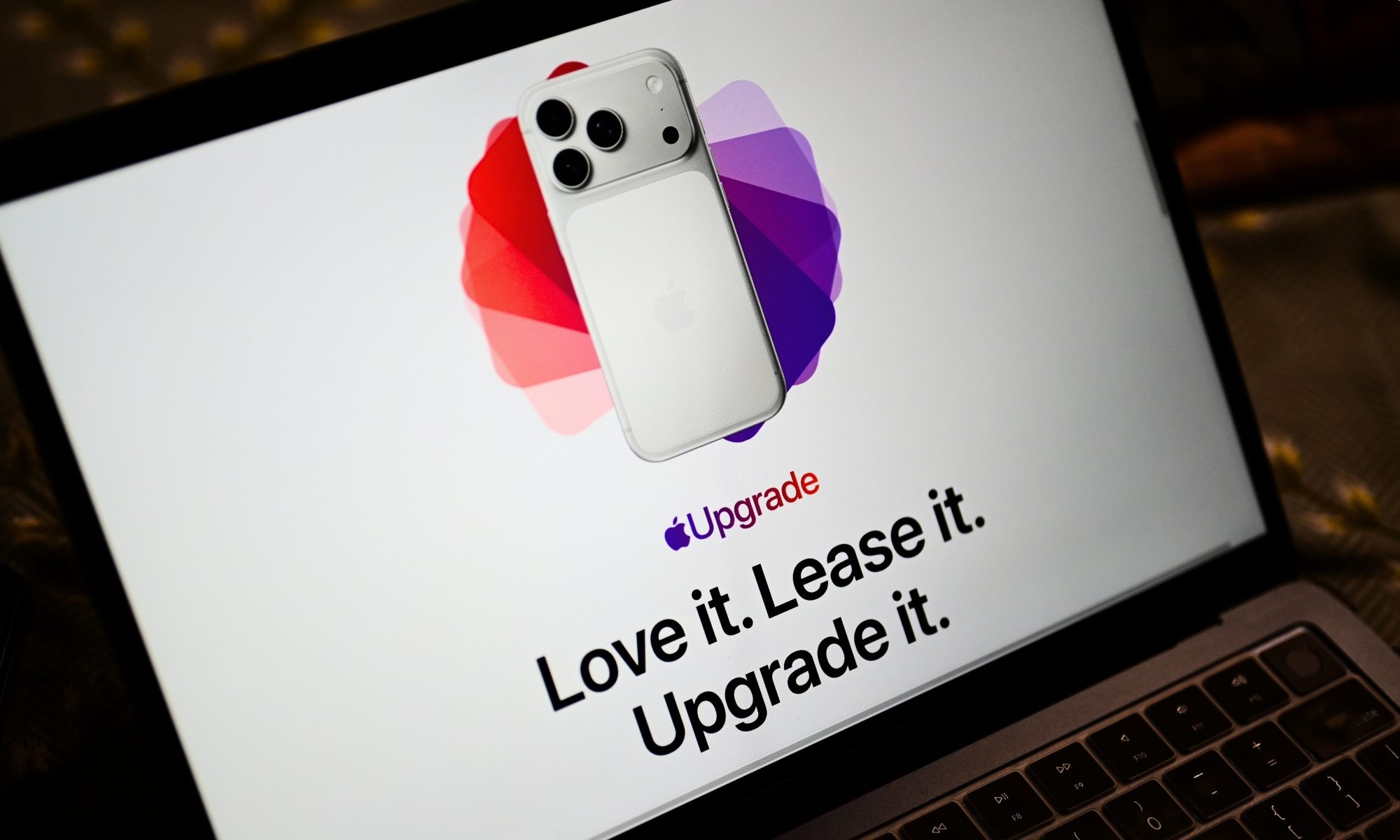
Apple recently announced its new Apple Upgrade leasing plan, which lets customers pay monthly for an iPhone, iPad, Mac, or Apple Watch through Klarna. The program replaces the long-running iPhone Upgrade Program and expands the option beyond phones for the first time.

However, code discovered by 9to5Mac in an iOS 27 beta raised concerns about what could happen if someone fell behind on payments. The new App Managed Features system appeared capable of checking a customer’s payment status and placing a financed device into Restricted Mode.

Read more
The Galaxy Z Fold 8 series just got a feature every Android foldable should have
No more manual rotation lock fiddling, Samsung's foldables just got smarter.
Galaxy Z Fold 8 quick toggles

Samsung's foldables keep sneaking in these little quality-of-life wins, and this one might be my favorite yet. Redditor ultima40 discovered that the Galaxy Z Fold 8 and Fold 8 Ultra now remember rotation lock separately for each screen.

So if you fold and unfold your phone throughout the day, switching between the cover screen and the tablet-like inner display, your phone will keep track of how you like each one oriented. 

Read more