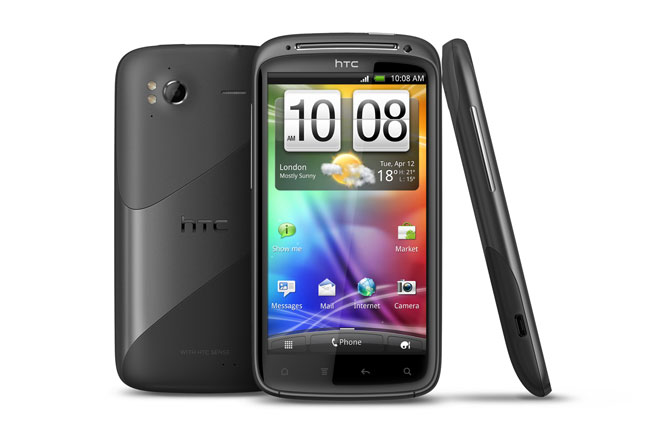
Heavyweights in HTC’s supply chain have been helping the company develop workarounds to the technologies currently under dispute in HTC’s patent fight with Apple. According to a DigiTimes report, those suppliers include sources for components, software and firmware; in other words, just about everything you’d need to build a phone. HTC then is trying to guarantee their ability to bring their 2012 phones to market no matter the outcome of current litigation.
Apple brought a complaint to the U.S. International Trade Commission a couple weeks ago stating that HTC had infringed on four of its U.S. patents. The ITC ruled that HTC was infringing on two of those: patent no. 5,946,647, a “system and method for performing an action on a structure in computer-generated data” and patent no. 6,343,263, a “real-time signal processing system for serially transmitted data.” It was only a preliminary ruling, but with Apple naming pretty much all of HTC’s phones currently on the market in the suit, if the ruling is upheld HTC will be in hot water.
However, DigiTimes’ sources said that HTC will only be stuck using the technologies under question until the last shipment of this generation of phones. In other words, everything new that’s brought to market will be utilizing the tech that bypasses Apple’s complaints no matter what. HTC’s product lineup is set to refresh at the end of the year, which should help limit their material damages if the ITC rules in Apple’s favor. If that’s the case, it will still be interesting to see how HTC deals with not being able to sell any phones utilizing the forbidden tech, which includes just about the whole lineup.
Even more interesting will be the solutions other producers of Android devices use. The tech now being ruled upon is pretty central to the OS, and puts the screws to the likes of Samsung and Motorola. It’s likely that other Android producers come up with their own workarounds, and in the smartphone patent wars one can always expect another lawsuit to rain down from the heavens. But right now, it’s Apple that’s got everyone scrambling.
Editors' Recommendations
- Are you having iPhone alarm problems? A fix is coming soon
- How to schedule a text message on your iPhone
- The most common Skype problems and how to fix them
- Here’s how Apple could change your iPhone forever
- There’s a big problem with the iPhone’s Photos app