1. Home
  2. Entertainment
  3. Web
  4. News

Here’s what $5 million and a Super Bowl ad will buy you

Add as a preferred source on Google

If time is money, then a Super Bowl ad is … crazy expensive. This year’s spots will set advertisers back a record $5 million for around 30 seconds of air time, which works out to over $165,000 per second of play. As Fortune reports, the average cost of a Super Bowl ad has gone up by 75 percent — if only you could invest in one of those spots! But what is it that keeps so many advertisers coming back for more year after year, even as the holes in their pockets grow larger? What exactly is the payout when you’re spending $5 million?

The goals of a Super Bowl ad differ by brand. For those well-established names, there’s little that needs to be done in the name of brand recognition. So for some of these guys, it’s really more about sentiment — associating your beer, for example, with warm, fuzzy feelings. As Rebecca Brooks of the American Marketing Association notes, last year’s hugely popular Budweiser commercial worked “because it leverages hallmarks of the brand: Clydesdales, rural America and sentimentalism. It elicited, almost demanded, an emotional response.”

Recommended Videos

For smaller companies that are not yet household names, the Super Bowl serves as one giant microphone — one of the world’s largest stages upon you can either tap dance or, if we’re being honest, belly flop. Last year, Fluent, a marketing research and ad tech company surveyed some 1,600 Super Bowl watchers to determine before-and-after effects of some lesser-known advertisers. Impressively, the average brand lift was a whopping 12.7 percent.

But ultimately, the majority of Super Bowl ads fail to actually influence sales or purchase intent. Communicus, an international advertising research firm, estimates that four out of five of these spots don’t do much by way of changing the business bottom line. And marketing analytics company Adlucent further notes that while ads are a huge part of the game, 87 percent of audience members are only watching them to be entertained, and only 6 percent are actively looking to learn about a brand they may not have known before. And most damning of all, less than 1 percent want to be influenced to spend money for a product or service.

“The number one reason these commercials fail is that advertisers and agencies are too focused on entertaining viewers more than elevating the brand,” said Jeri Smith, chief executive officer of Communicus in an interview with Bloomberg.

So what does $5 million really buy you? The biggest audience in your company’s history.

Lulu Chang
Fascinated by the effects of technology on human interaction, Lulu believes that if her parents can use your new app…
Christopher Nolan’s personal take on smartphones is surprisingly practical
Christopher Nolan says not owning a smartphone helps him think better
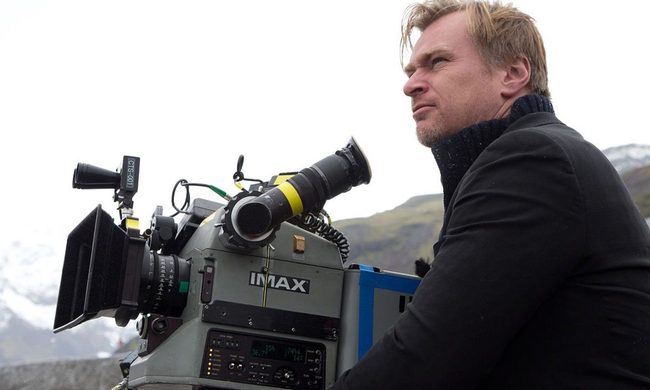
Christopher Nolan sits in front of an IMAX camera.

Christopher Nolan has spent his career embracing cutting-edge filmmaking technology while resisting one of the most common gadgets on the planet: the smartphone. The Oscar-winning director behind Oppenheimer, Inception, and the upcoming The Odyssey says his decision isn't about rejecting technology altogether. It's about protecting something he believes has become increasingly rare - time to think.

In an interview with The Telegraph ahead of the premiere of The Odyssey, Nolan explained that he still doesn't own a smartphone, despite living in a world where QR codes, digital tickets, and messaging apps have become everyday necessities. His reasoning, however, is far more practical than philosophical.

Read more
Letterboxd could find a new home at Netflix, but Sony is fighting for it, too
Netflix wants Letterboxd, but Hollywood isn't letting it go without a fight
Letterboxd

Letterboxd, the fast-growing social network for film lovers, could soon have a new owner. According to a report by Puck News, the New Zealand-based platform has been exploring a potential sale, attracting interest from several major entertainment companies, including Netflix, Sony Pictures Entertainment, and Paramount Skydance.

While no deal has been confirmed, the discussions highlight how valuable online fan communities have become as streaming platforms compete not just for viewers, but also for the audiences that influence what people watch next.

Read more
Disney+ is exploring a free tier to fight back against YouTube’s growing TV dominance
Disney is eyeing a free tier as YouTube keeps stealing its TV audience
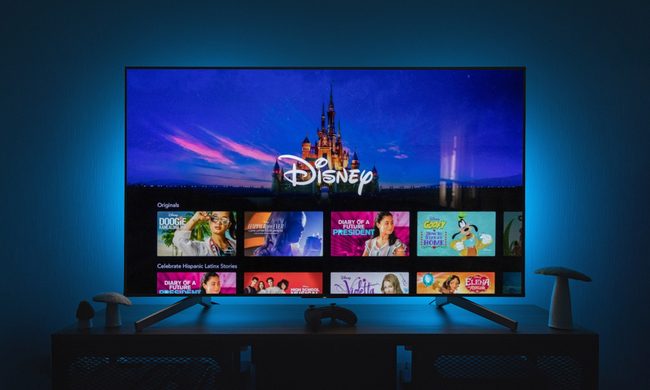
The Disney+ app on a TV screen while blue lights illuminate the wall behind.

Watching Disney+ without paying for a subscription could eventually become an option. According to Business Insider, Disney is considering a free tier that would let people watch some content without a paywall.

The idea is still in the early stages, with no timeline or launch details, but it reflects a growing challenge. YouTube and other free, ad-supported platforms like Tubi and Roku are attracting more TV viewers, forcing streaming services to rethink how they compete.

Read more