1. Home
  2. Emerging Tech
  3. News

The Navy says Tom DeLonge’s UFO videos are real. That doesn’t mean it’s aliens

Add as a preferred source on Google

The U.S. Navy has confirmed a collection of UFO videos, one of which was released by Blink-182 musician Tom DeLonge, are indeed authentic and do show off unidentified flying objects. 

The videos in question were leaked over the past two years, and the Navy is now saying that the footage is authentic, and that they don’t know what the flying objects seen in the video are. That said, this doesn’t mean the videos show authentic proof of alien life on Earth.

Recommended Videos

“The Navy designates the objects contained in these videos as unidentified aerial phenomena (UAP),” Joseph Gradisher, spokesperson for the Deputy Chief of Naval Operations for Information Warfare, originally told the Black Vault, a website with information and research on government secrets. Motherboard later confirmed this same statement. We’ve reached out to the U.S. Navy to see if they could provide additional details, and will update this story if we hear back.

UAP has become the Navy’s preferred terminology over UFO for unidentified objects found in the air — likely because of the extraterrestrial stigma around the former. Again, this doesn’t mean the government is confirming the existence of aliens, they’re just saying that whatever is flying in these videos cannot be identified. The objects could be anything.

Gradisher told the Black Vault that UAP is preferred because “it provides the basic descriptor for the sightings/observations of unauthorized/unidentified aircraft/objects that have been observed entering/operating in the airspace of various military-controlled training ranges.”

He also said that the three videos depicting UAP were never cleared for public release. The New York Times and DeLonge’s UFO research organization, To The Stars Academy of Arts & Science (TTSA), released the videos between December 2017 to March 2018. TTSA’s website said that the footage “demonstrate flight characteristics of advanced technologies unlike anything we currently know, understand, or can duplicate with current technologies.”

The three videos were captured by Navy seals in 2004 and 2015 using the Raytheon ATFLIR Pod while on a U.S. Navy F/A-18 Super Hornet.

The confirmation that DeLonge’s UFO videos are indeed real is a major victory for his organization. Whether or not TTSA or the U.S. government will ever identify the unidentified flying objects is another question entirely.

Allison Matyus
Former Digital Trends Contributor
Allison Matyus is a general news reporter at Digital Trends. She covers any and all tech news, including issues around social…
Yet another study says AI is bad for elections, and the rabbit hole gets worse
AI may be an election bomb waiting for someone to light the fuse
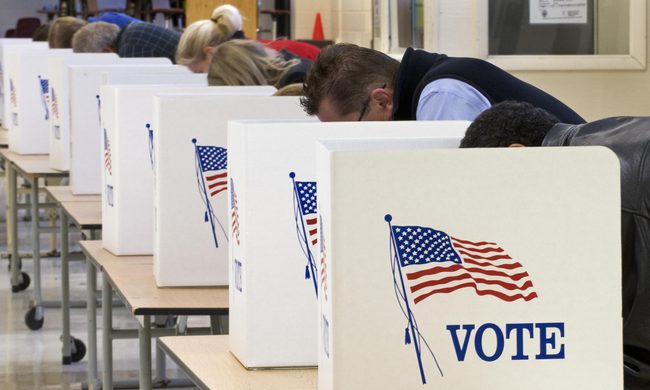
Voters cast their ballots on Election Day

Another election, another study has concluded that asking an AI chatbot for political guidance is a spectacularly bad idea. Research conducted during Hungary’s 2026 parliamentary election found that ChatGPT and Google Gemini offered not just inaccurate but also inconsistent and unreliable voting advice. The chatbots misclassified voter profiles, overlooked relevant parties, recommended parties absent from the ballot, and sometimes produced materially different answers when given the same information repeatedly.

AI keeps failing the voter test

Read more
Samsung’s humanoid robot ambitions are real, but factories come first
Samsung’s new robotics division has humanoids in its sights, although its immediate business is far more practical factory automation
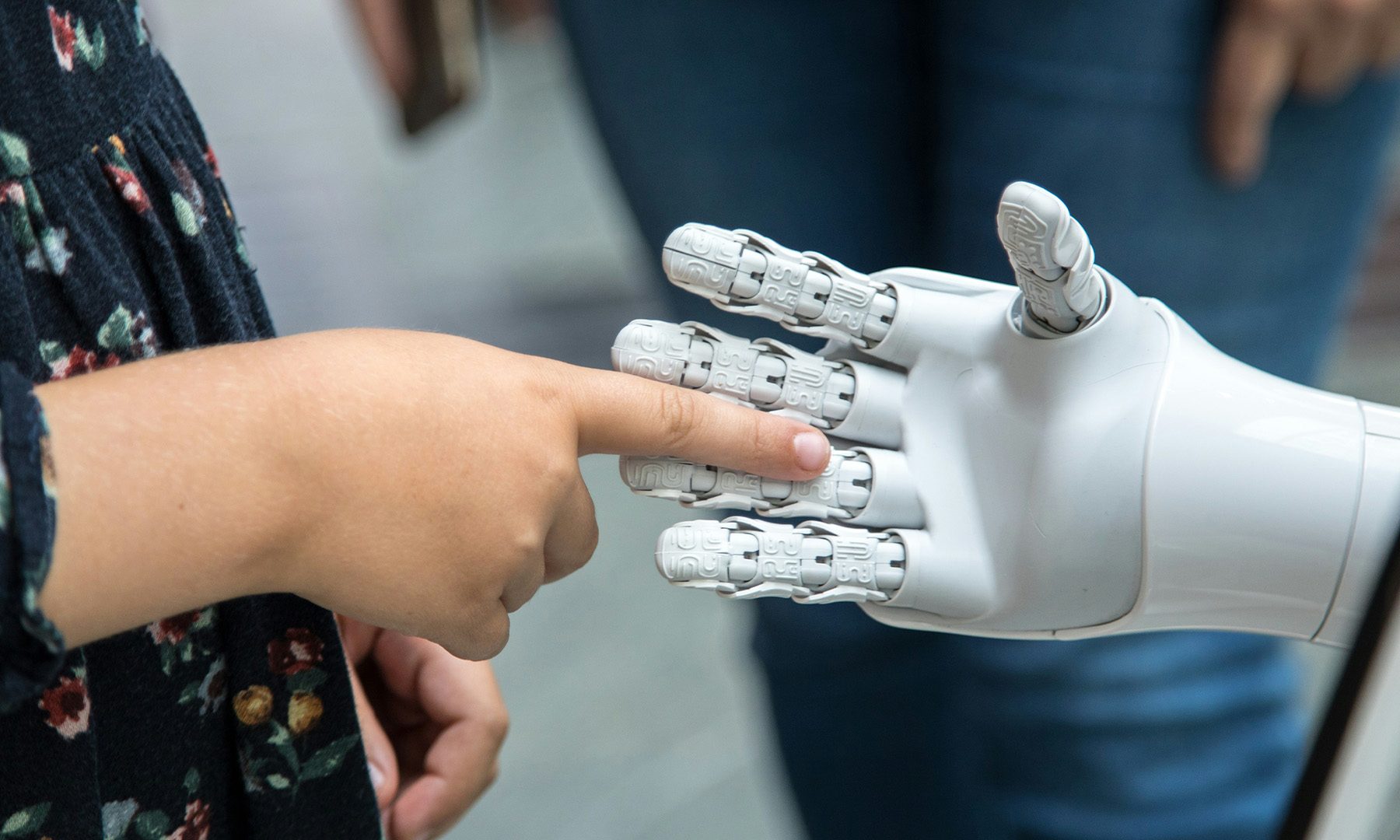
Robot Touch Human Finger

Samsung wants a place in the humanoid race, but its new robotics push begins with machines built for factories rather than homes.

The CEO-led RX robotics division will initially focus on manufacturing robots. Samsung has separately identified humanoids as a priority, although it hasn’t announced a commercial model or explained where one fits into the division’s immediate plans.

Read more
The future of AI may depend on this one behind-the-scenes change
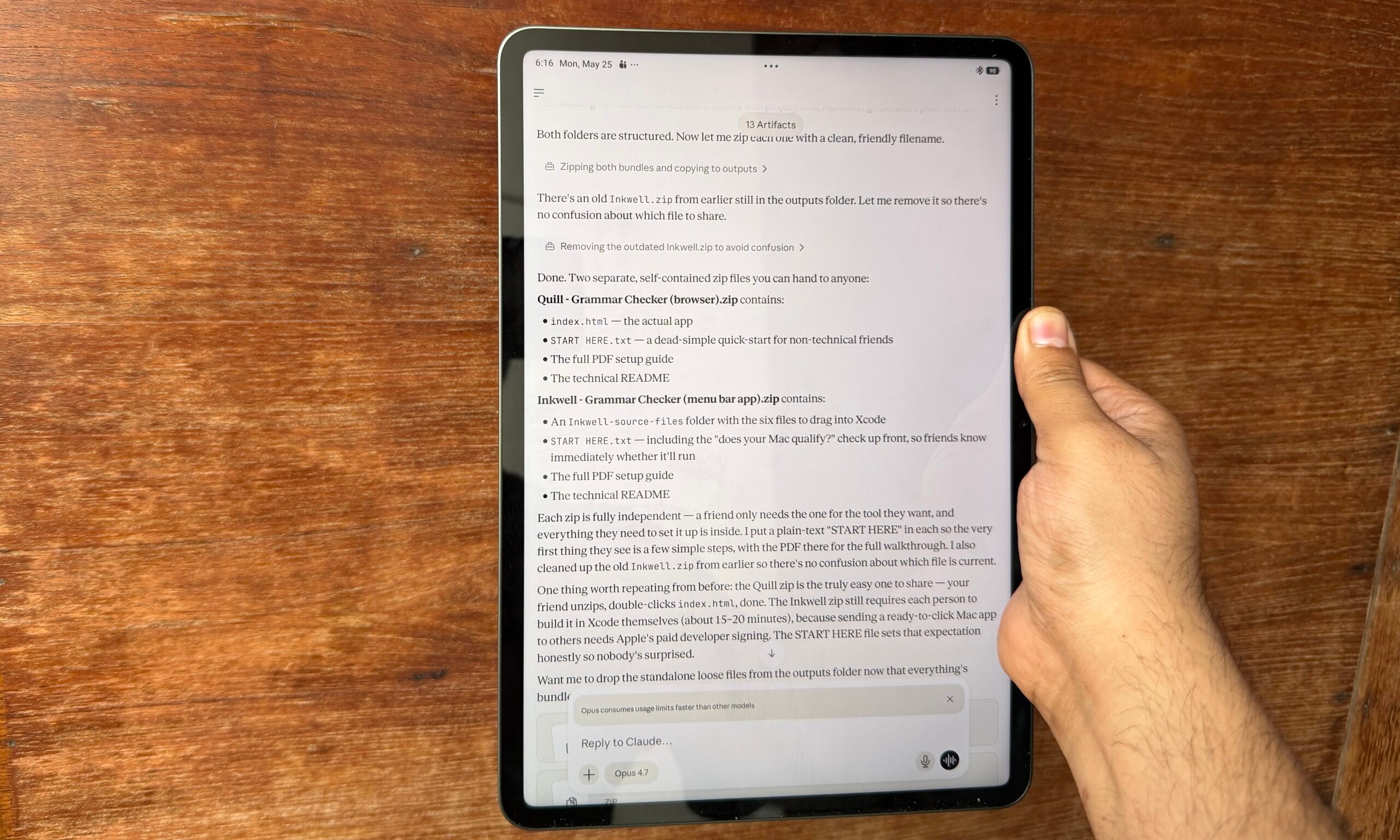
Running Claude on Android.

Whenever a new AI model arrives, it's easy to get caught up in the bells and whistles. We talk about how much smarter it is, how quickly it answers questions, or how realistic its images have become. But here's the thing: none of that matters much if the AI can't reliably work with the apps and services people use every day.

That's why an upcoming update to the Model Context Protocol (MCP) caught my attention. It isn't a new chatbot or a fancy AI model. In fact, most people will never even know it's happening. But it could quietly make the AI ecosystem a lot healthier. If you've never heard of MCP before, don't worry. Think of it as a shared language that lets AI assistants safely talk to apps like Gmail, Slack, calendars, databases, and countless other services. Instead of every company inventing its own way to make those connections, MCP gives everyone a common rulebook.

Read more