  1. Home
  2. Outdoors
  3. News

Adidas looks to break the 2-hour marathon barrier with the Adizero Sub2

Add as a preferred source on Google
Image used with permission by copyright holder

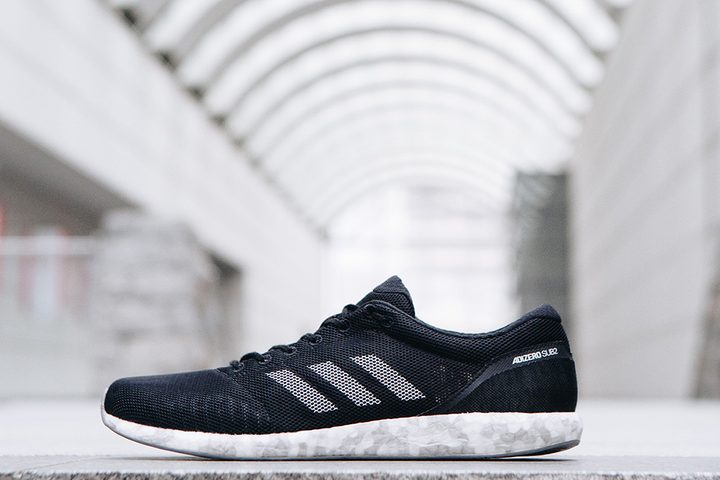
When you’re running 26.2 miles, every last ounce of weight you’re carrying counts. And now, Adidas is finding ways to reduce that load. The athletic company believes that the secret to breaking the two hour barrier when it comes to the marathon is in a shoe. Specifically, the Adizero Sub2. Designed in conjunction with some of the most talented distance runners in the world, this sneaker boasts Adidas’ new Boost Lite midsole. Most importantly, however, the Adizero Sub2 is said to be the “most advanced, fast and lightweight running shoe ever created by Adidas.”

A key collaborator in Adidas’ quest to empower the sub-two-hour marathon race has been Wilson Kipsang. The Kenyan athlete won the bronze medal at the 2012 Summer Olympics, and ran the fastest race held in Japan at last year’s Tokyo Marathon with a time of 2:03:58.

Recommended Videos

“Around the London Marathon in 2012, we started thinking about Sub2 as a concept and Adidas’ role in achieving what was deemed impossible,” Adidas global general manager André Maestrini said back in February 2017, around the time of the Tokyo race. “We began creating a shoe that could enable this, and Wilson is the perfect athlete to test our innovation in a race environment. We’re incredibly excited to see where this can go.”

Kipsang also took second place in the 2017 New York City Marathon, and this year he’s returning to Japan with hopes of beating his own record. Moreover, the athlete is eyeing the world record, which currently stands at 2:02:57, and was set by Dennis Kimetto of Kenya at the 2014 Berlin Marathon.

The Adizero Sub2 could help. The upper of the sneaker is constructed with a single layer of supremely thin mesh fabric, while the outsole leverages rubber from the tire manufacturer Continental AG to improve traction and avoid slippage.

When Kipsang lines up at the starting line in Tokyo on Saturday, February 24, he’ll be wearing the Adizero Sub2 shoes, and we’ll have to wait and see if he can make history. As for the rest of us, we can try out our own record-shattering dreams ourselves beginning March 15, when the Adizero Sub2’s go on sale for $180.

Lulu Chang
Fascinated by the effects of technology on human interaction, Lulu believes that if her parents can use your new app…
Asus made an e-bike conversion kit compact enough to slip into a backpack
This lightweight Asus gadget turns any bike into an e-bike in minutes.
Asus-Oxiis-E250G1-e-bike-conversion-kit

Turning a regular bike into an e-bike just got easier. The new Asus Oxiis E250G1 can clamp onto your seatpost and press a small motorized roller against your rear tire, that adds electric assist to almost any bike you already own.

https://www.youtube.com/watch?v=1omwSBju9Vs&t=3s

Read more
DoorDash wants to deliver your food order flown by a drone, eventually
DoorDash Air will specifically targets deliveries between three and five miles.
doordash-air-drone-delivery

Getting food delivered by drone just got a lot closer to reality. DoorDash just secured FAA approval to launch its own in-house drone delivery service, called DoorDash Air.

https://twitter.com/andyfang/status/2082462088891637995?s=46

Read more
New York’s food carts are going electric in clean air trial
Street food is getting an upgrade, and your ears will thank you.
Burger, Food, Kiosk

For decades, the soundtrack of New York City's streets has included the constant hum of gasoline generators powering thousands of food carts. The noise has become so familiar that most people barely notice it. Now, the city wants to find out whether rechargeable batteries can do the same job without the pollution, noise and fuel costs.

According to Techxplore, New York has launched a six-month pilot that equips 10 licensed street food vendors with battery-powered energy systems, replacing the gasoline generators that typically run cooking equipment, refrigerators and ventilation systems. The trial is designed to reduce air pollution, cut noise levels and improve working conditions for vendors who spend long hours beside the generators.

Read more