Apple has launched a ton of amazing products over its history, and plenty of them have been put out to pasture as new successors have taken their place. But technology moves on, and what’s buried in the past should stay that way. Right?
Well, maybe not. Apple has discontinued a host of products that I’d love to see make a daring comeback. Whether they revolutionized the industry or just did something totally out there, they all made their mark — and they could still have a place in today’s world. These are the Apple products I’d love the company to bring back for another roll of the dice.
27-inch iMac

For years, Apple offered the iMac in two different sizes. But two years after the introduction of the 24-inch iMac in 2021, the company has discontinued the larger Intel model and still hasn’t launched an Apple silicon version. If the 24-inch version isn’t right for you, that’s just too bad.
Resurrecting the 27-inch iMac would let Apple fans enjoy the iMac’s superb Retina display and colorful industrial design on an even larger scale, and the good news is it might be happening. Sure, you could buy a Mac Studio and a 27-inch Studio Display, but that combination will set you back $3,598 before we even start talking about upgrades. The 27-inch iMac would cost a fraction of that.
Apple probably has plenty of good reasons for not bringing back the 27-inch iMac: for instance, the internals are hard to repair and upgrading means having to buy an entirely new device. I know it probably doesn’t make sense to relaunch a larger iMac right now — and even less so an iMac Pro — but that doesn’t mean I don’t want it to happen.
12-inch MacBook
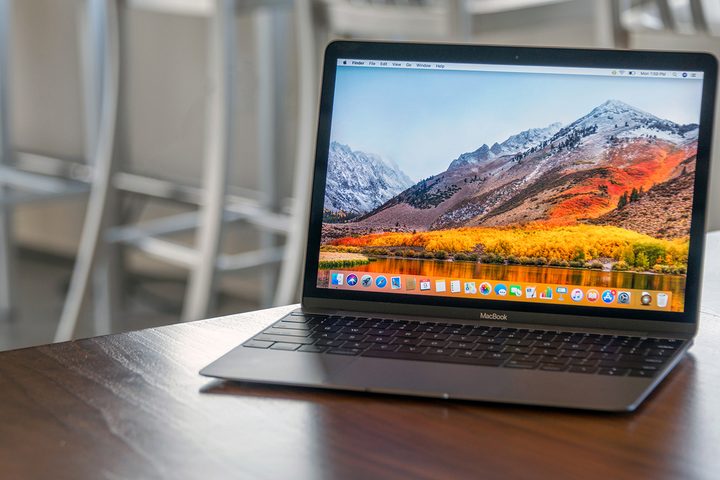
OK, hear me out on this one. Yes, I know the 12-inch MacBook was an underpowered, overpriced dud, an example of Apple’s designers getting a bit too carried away with their own fantasies. But the picture in 2023 is very different from what it was when Apple launched the 12-inch MacBook in 2015, and it all revolves around one thing: Apple silicon.
Think about it. Why did Apple have to curse this device with a mobile processor? Because Intel’s desktop chips ran too hot to work in such a thin, fanless chassis. Why was so much of the internal space taken up with batteries? Because Intel’s desktop chips chugged so much battery life, even in normal use.
Devices like the MacBook Air M2 prove Apple has solved these issues. It’s efficient, cool, and powerful — so much so that the Apple silicon MacBook Air doesn’t even need a fan, just like the 12-inch MacBook. Apple silicon and a 12-inch MacBook are a match made in heaven (or at least a heaven dreamed up by Jony Ive and Tim Cook). It’s about time Apple gave it a second shot — something that rumors allege the company is already planning.
Power Mac G4 Cube
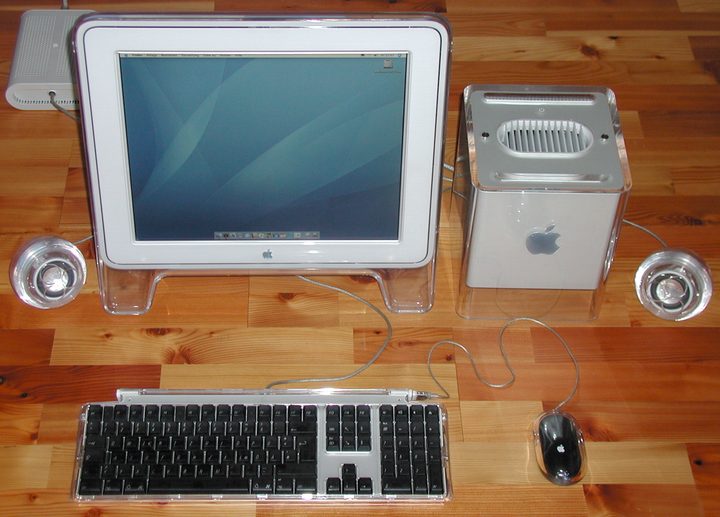
During Ive’s reign as Apple design guru, the company become known for its incredible prowess in that area. Few devices showcased the primacy of design at Apple as well as the Power Mac G4 Cube, a 14-pound chunk of metal and plastic where the computer appeared to float inside its casing. Visually speaking, it was like nothing else out there.
Sure, Apple has a similarly cuboid computer these days in the form of the Mac Studio. But compared to the Studio, it was far easier to get at the internals of the Power Mac G4 Cube thanks to a clever pop-out handle. The guts were hidden in everyday use, but easily accessible if you wanted to tinker. You can’t say that about the Mac Studio.
While I’m not advocating for a return of the Power Mac G4 Cube exactly as it was, I’d love to see some of its shrewder touches make its way into the Mac Studio (providing Apple doesn’t ditch it entirely). That would let its legacy live on without overriding Apple’s advances since its demise.
Time Capsule
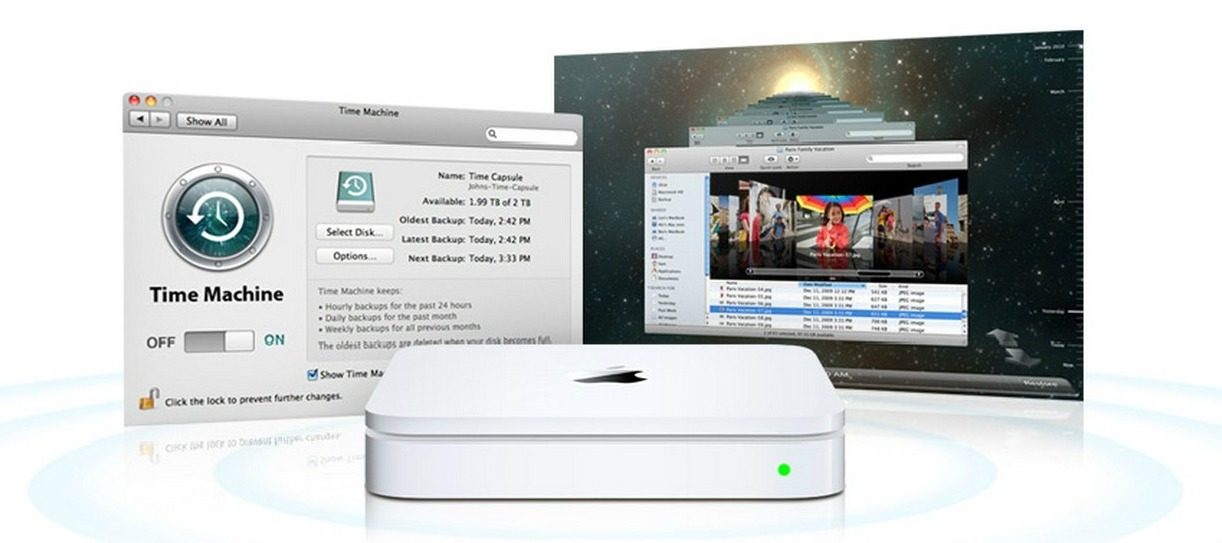
Originally launched in 2008, Apple’s Time Capsule was a clever idea that combined a wireless router and a network-attached storage device into one smart little product. Instead of two separate purchases, you’d get all you needed in one go.
It wasn’t all rosy, though. Getting the drives out was a royal pain, meaning adding more storage space or replacing a busted drive was next to impossible. It was also expensive compared to rival products, and Apple was slow to upgrade it.
But it offered the kind of convenience and ease of use that Apple devices are known for. I doubt Apple will ever bring it back — it was a niche device and would probably remain that way — but I can’t help but wonder how it would fare in the age of superfast SSDs and an ascendent right-to-repair movement.
AirPower
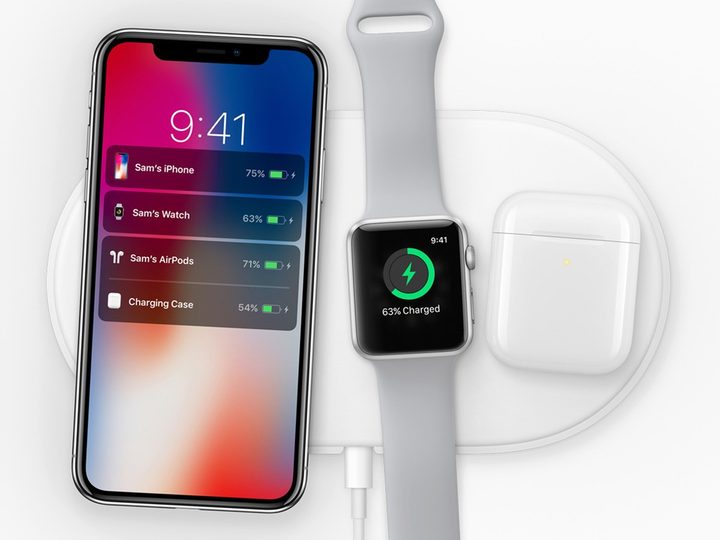
OK, this one is something of a bonus item since Apple never actually launched the AirPower wireless charger. The idea was brilliant: a wireless charging pad that could power up iPhones, AirPods, and Apple Watches no matter where they were placed on the device. No more inefficient charging after plonking your iPhone in the wrong spot. It would have embodied the “It just works” mentality to a tee.
Unfortunately, it was too difficult to produce, and Apple killed it off before it was ever released (despite teasing it online and at its events). These days, we’ve got MagSafe products that snap your phone into the optimal charging spot. But that’s hardly the convenient “place anywhere” ethos that AirPower embodied.
Maybe one day Apple will be able to overcome the engineering hurdles and launch an AirPower device that doesn’t overheat or break down. We’ll have to see, but until then, I’ll keep my fingers crossed for a return.