As the iPhone 6 prepares for landing in Cupertino tomorrow morning, rumors about the integration of Beats headphones — and more importantly, the possibility of connection to the device via the Lightning input — are running rampant. News that Apple has been quietly working on technology that will allow proprietary headphones to connected digitally through the Lightning jack, as opposed to the normal 3.5mm input, has drawn gross speculation.
While there is a chance that Apple might offer a partner pair of headphones which connect via Lightning jack, we would be highly surprised if Apple’s rumored dual iPhone 6 models did away with the standard input completely — that could spell iPhone suicide. However, just in case a pair of Lightning jack-enabled Beats is part of the package, we wanted to fill you in on what we know about the new technology ahead of tomorrow’s launch.
Updated by Ryan Waniata on 9-10-2014: In true Apple form, NONE of the rumors about Lightning jack connection, or even Beats headphones integration were mentioned at Tuesday’s event. It appears for now, and for the foreseeable future, our 3.5mm jacks (yay) and our Earpods (boo) are safe. However, Philips today unveiled the first pair of Lightning-jack headphones we’ve laid eyes on, available in Germany. It appears the age of the Lightning phones is now upon us.
Lightning jack headphone program
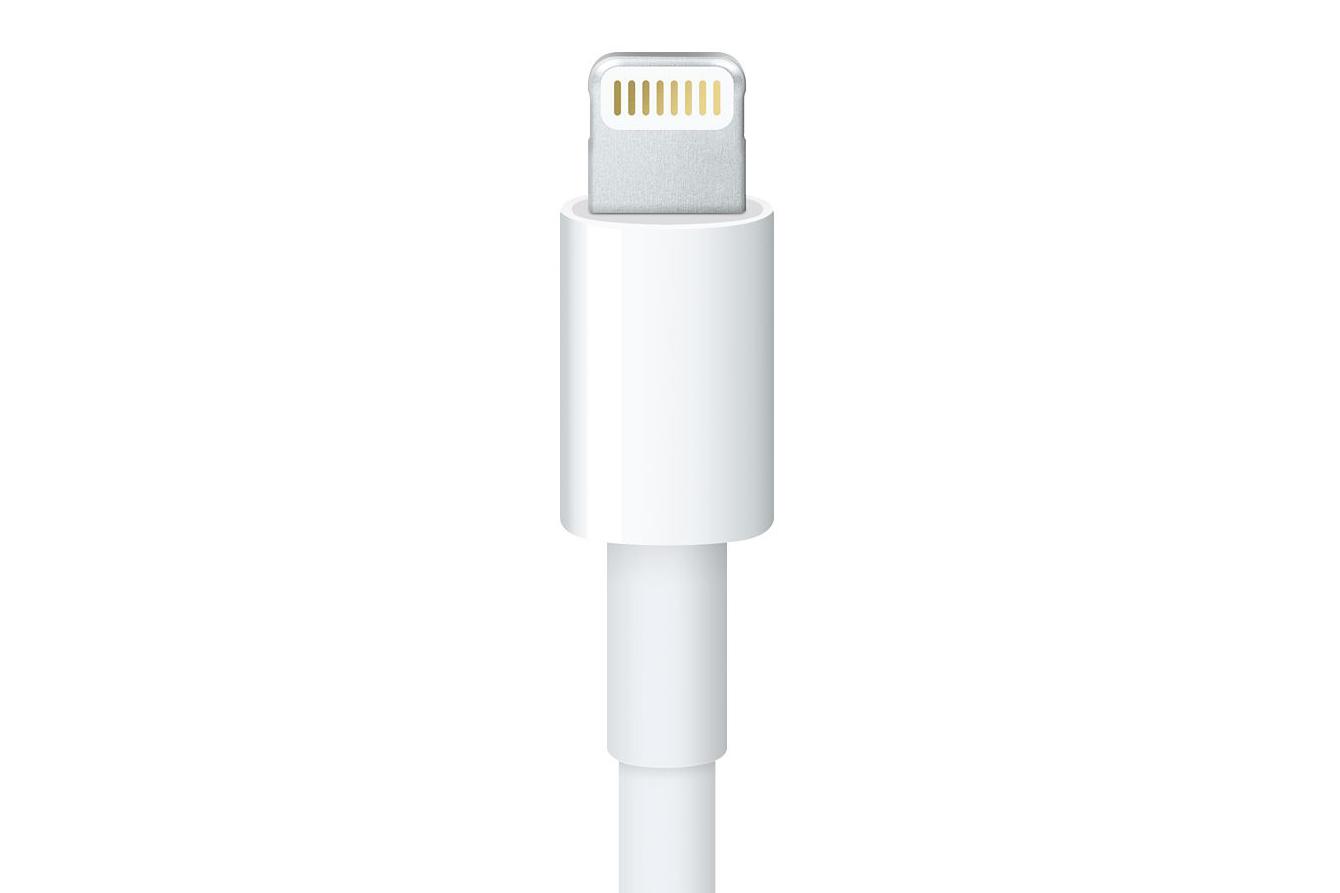
Back in June, a report by 9to5Mac showed evidence that Apple is serious about moving audio further into its walled garden, revealing headphone specs that forgo the ubiquitous 3.5mm jack for a direct digital connection to iPhones and iPads.
Related: 10 things we know about the iPhone 6 right now
According to the report, the new system would allow for 48kHz lossless stereo output (just above CD quality), as well as a 48kHz mono input to keep the popular 3-button inline microphone in communication through an update to iOS. It is also believed that hardware could be added, or reconfigured, to allow for launching of apps like iTunes Radio, or spur specific apps when the ‘phones are connected.
Apple’s MFi (Made For iOS) program has reportedly developed two different specifications for manufacturers that will bypass the standard 3.5mm analog output port for a direct connection to the digital side of things. The two flavors include Standard and Advanced.
What’s inside?
The Standard Lightning Headphones are described by 9to5Mac as using “minimum components when paired with a DAC (digital to analog converter) supported by the Lightning Headphone Module.” The Advanced Lightning Headphones will be able to incorporate more sophisticated features, including digital signal processing to shape the sound, noise cancelation, as well as an onboard DAC.
Are we looking at the beginning of the end of the 3.5mm output for future iPhone and iPad models?
However, while it appears the Advanced configuration will place the burden of all digital processing and digital to analog conversion on the headphones themselves, the report is unclear as to whether or not the “minimum components” of the Standard headphones will allow them to work without the help of additional equipment. That’s a serious point of interest for those who just want a plug-and-play setup.
The new system would allow for some interesting bonuses, not the least of which is a likely upgrade in sound quality. In addition, the new ‘phones will have the ability to draw power from your iPhone – even while it’s at rest – saving the need for the headphones to incorporate an internal battery for digital processing and noise cancellation. The system will also reportedly allow for charging of your phone from a powered module while listening at the same time, like a portable power dock.
Still, these potential changes bring about a host of questions and concerns. For instance: How would users listen and charge their devices if they don’t have one of the proposed charging stations? Will all of those fancy options for the Advanced Lightning Headphones place more power constraints on our already power-hungry iPhones and iPads?
Will 3.5mm go away?
Perhaps most concerning is Apple’s penchant for dropping standard inputs for its own proprietary ports, whether its faithful cult of followers decries those decisions or not. A prime example in the realm of audio would be Apple’s dropping of Firewire ports on Macbooks for its proprietary Thunder port. The precedent has helped to raise the fear that we could be looking at the beginning of the end of the 3.5mm output for future iPhone and iPad models?
Such a brazen move would be hard to imagine, but it’s certainly not out of the realm of possibility. Think of it: every pair of headphones or other sound system that requires an analog input would suddenly be incompatible with your iPhone. And connecting non-Lightning gear through a digital input would likely require another shopping spree for one of those $30 adapters Apple is so happy to supply. What kind of adapter would be required to plug in our trusty Beyerdynamic TP 70’s? We shudder to think.
For now, all of that is up in the air, and we’re not ready to say the 3.5mm sky is falling just yet. Again, we think it especially unlikely that anything so drastic could happen with the iPhone 6, perhaps most underlined by the fact that we haven’t seen a steady stream of news about it from the massive iPhone 6 rumor mill. Still, with Apple’s history, the news is enough to make iPhone, iPad, and iPod users everywhere more than just a little nervous.
Putting the missing 3.5mm conspiracy aside, though, the big question for tomorrow’s unveiling of the iPhone 6 is simple: Will we see a pair of Beats with nothing but a Lightning pin at the end accompanying Apple’s new babies?
We’ll find out the answer to that, and many other questions tomorrow morning. Follow us for full coverage of the entire release, and all it has in store.
Updated by Ryan Waniata on 9-10-2014: This post was updated to confirm that no Beats headphones, Lightning or otherwise, were unveiled as partners to the iPhone 6 for Tuesday’s event.
Updated by Ryan Waniata on 9-08-2014: This original post has been updated to consider rumors that the iPhone 6 could include Lightning-connected Beats headphones.