  1. Home
  2. Phones
  3. Mobile
  4. News

Dutch town installs LED pavement strips to alert distracted smartphone users

Add as a preferred source on Google

A Dutch town believes it may have figured out a solution to the problem of pedestrians distracted by their smartphones. Officials in Bodegraven, Netherlands are now running trials of LED strips embedded into sidewalks near intersections that notify walkers of whether it is safe to cross.

The system, developed by local firm HIG Traffic Systems, is connected directly to traffic lights and shifts from red to green to signal pedestrians who are looking down at their devices of when they may safely walk. Named “+Lichtlijn,” or +Lightline, the proposal ran into some opposition from the country’s road safety organization, VVN. According to DutchNews, a VVN spokesman decried the idea as a reward for unsafe behavior.

Recommended Videos

Since the rise of smartphones, pedestrian safety has become an area of increasing concern around the world. The National Safety Council reports that distracted walking incidents involving phones accounted for more than 11,000 injuries in the United States between 2000 and 2011, and the American Academy of Orthopedic Surgeons estimates injuries to pedestrians have more than doubled since 2004.

While surveys indicate smartphone users are well aware of the dangers of distraction, the AAOS found that one of the key issues might be people’s overconfidence in their ability to multitask. If pedestrians’ behaviors aren’t changing for the better, programs like Bodegraven’s might be the answer. If the trial goes well, HIG might shop the technology around to other towns.

The AAOS reports that a recent study of 20 high-risk intersections in Seattle found that pedestrians who were texting while crossing took roughly two seconds longer on average to get through compared to those who weren’t distracted. What’s more, those who texted were found to be four times more likely to commit at least one “unsafe crossing behavior,” such as not looking both ways or disregarding traffic signals.

While millennials aged 18 to 34 were the least likely to be injured, according to the AAOS survey, the group reported the most distracted walking incidents of any demographic. Meanwhile, women aged 55 and older experienced the greatest number of serious injuries.

Of course, no matter who you are, using a phone on the move has been found to significantly impact walking pattern, speed, and gait. Between the expanding capabilities of smartphones and the litany of new wearable devices that have come along in recent years, pedestrians stand at greater risk than ever before. Initiatives like these remind us the importance of staying alert.

Adam Ismail
Former Contributor
Adam’s obsession with tech began at a young age, with a Sega Dreamcast – and he’s been hooked ever since. Previously…
Google Photos adds a quick toggle between AI and classic search
Classic search is finally easier to reach for people who enabled Ask Photos
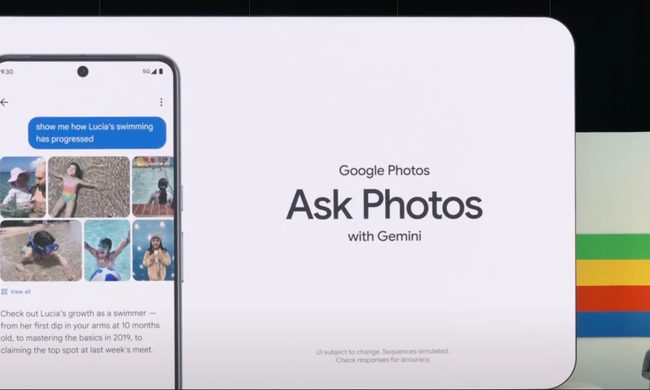
Google's Ask Photos debut.

Google Photos is giving users an easier way to leave its Gemini-powered search when a simple keyword would do. A new toggle now sits at the top of the results page, letting users switch between Ask Photos and classic search without digging through settings.

The change appears to address feedback from people who opted into Ask Photos but wanted a quicker way to return to classic search when Gemini was slower or less useful for a straightforward query.

Read more
Snapseed Camera now lets Android users save original photos and add geotags
Google updates Snapseed Camera with geotag support and non-destructive photo editing
Snapseed App

Google appears to be quietly turning Snapseed into something more than just a photo editing app. Over the past few weeks, the company has been steadily adding new capabilities to Snapseed Camera, its standalone camera app for Android. The latest update introduces two practical features that many smartphone users have come to expect from modern camera apps: the ability to save an untouched copy of every image for future editing and support for embedding location data directly into photos.

Neither feature is flashy, but together they make Snapseed Camera a more capable photography tool, particularly for users who like experimenting with filters without permanently altering their original shots. According to a report by 9to5Google, the features are rolling out with Snapseed Camera version 4.1.1.x on Android.

Read more
Samsung unveils Galaxy credit card ahead of Galaxy Unpacked
Samsung launches Galaxy Card with cashback on Galaxy purchases
Galaxy credit card

For years, Samsung has worked to turn Galaxy into more than a smartphone brand. Today, the company's ecosystem stretches across foldables, smartwatches, televisions, home appliances, smart home products and digital services. Now, it's adding another piece to that puzzle, one that has little to do with hardware.

Samsung has officially introduced the Samsung Galaxy Card, its first branded credit card in the U.S. Designed in partnership with Barclays US Consumer Bank and operating on the Visa network, the card rewards users for everyday spending while offering significantly higher cashback on purchases made directly through Samsung.

Read more