1. Home
  2. Phones
  3. Mobile
  4. Social Media
  5. News

Digital Trends may earn a commission when you buy through links on our site. Why trust us?

How to use WhatsApp’s new coronavirus fact-checking chatbot

Add as a preferred source on Google

WhatsApp has become a hotbed of false information regarding the coronavirus, but a new chatbot tied to fact-checkers is hoping to combat that. 

Last month, after conspiracy theories, rumors, hoaxes, and false cures about the coronavirus proliferated on the platform, the Facebook-owned messaging app introduced limits on forwards for its more than 2 billion users. Anything shared more than five times could only be sent to a single participant or group at a time after that point. 

Recommended Videos

Now, a chatbot tied to the Poynter Institute, a nonprofit journalism research organization, is looking to debunk misinformation more proactively. Here’s how the WhatsApp fact-checking chatbot can help clear up misinformation about the coronavirus.

Why wouldn’t I just Google my coronavirus questions?

Anyone can Google a rumor or theory about coronavirus and get a million hits, but sifting through what is and isn’t true or requires time, energy, and expertise. 

The chatbot launched by Poynter’s International Fact-Checking Network (IFCN) connects users to the vetted work andcontact information of more than 80 fact-checking organizations in 74 countries. These checkers have been working since the beginning of the year and have already debunked nearly 4,000 hoaxes and claims. 

Poynter’s database includes information correcting false assumptions about the many scam miracle “cures” for the virus, along with false conspiracy theories linking 5G to COVID-19 or those that say the virus was created in a Chinese lab and released intentionally. It is updated daily and free to access. 

WhatsApp uses your phone number’s country code to also direct you to local listings of fact-checkers. People can reach out to these organizations to submit new claims for verification or just search the existing database. 

How to use WhatsApp’s new coronavirus fact-checking chatbot

Save the number +1 727 291 2606 to your phone. In WhatsApp, message the number “Hello.”  

An automatic message will pop up that reads: “Message us 24/7 to bust myths and check facts about COVID-19,  ” followed by a pretty simple numbered menu. 

The chatbot allows you to search the database of fact-checked items right there on the messaging platform. For instance, if you type in “garlic,” the chatbot sends you information that says the claim that garlic can help cure coronavirus is “misleading” and “false,” and also shows you which organization investigated the claim.

Can I get this in my language? 

The chatbot is only available in English for now, but will soon launch in Spanish and Hindi, thanks to a grant from WhatApp. The problem of misinformation was particularly rampant among users with Indian phone numbers. The company and Poynter have not yet said if the service will be launched in additional languages. 

Mythili Sampathkumar
Former Digital Trends Contributor
Mythili is a freelance journalist based in New York. When not reporting about politics, foreign policy, entertainment, and…
Apple’s lease program is just a soft landing for you to spend on pricier iPhones this year
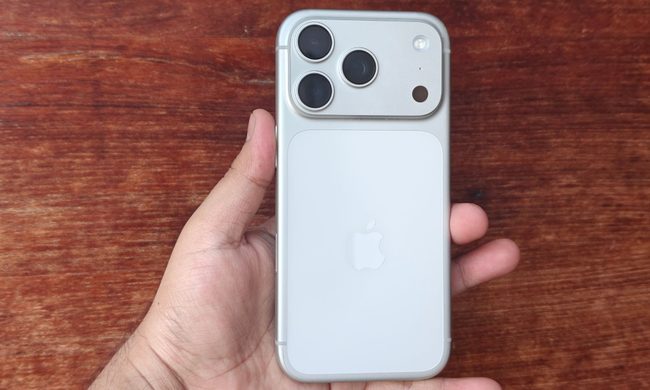
Hand holding iPhone 17 Pro.

A few days ago, Apple introduced a new "Upgrade" program that is essentially a lease program for buying Apple hardware. Instead of paying the full cost up front, you space the monthly installments (12, 24, and 36 month spells), and at the end of the lease period, you can choose to return the device, upgrade to a new one, or pay the remainder cost and keep it forever.

The broad idea is simple. Instead of taking a thousand-dollar hit on the wallet, you space the hit across small monthly payments. For a flagship iPhone, that broadly comes down to a dollar per day, and for budget phones such as the iPhone 17e, it's just half a dollar each day, if you do the breakdown. At least Apple is looking at it that way.

Read more
Pixel 11 leak predicts a weird mix of upgrades and downgrades for a higher price
The Pixel 11 may start at $899 with 256GB of storage, but its camera setup remains unclear.
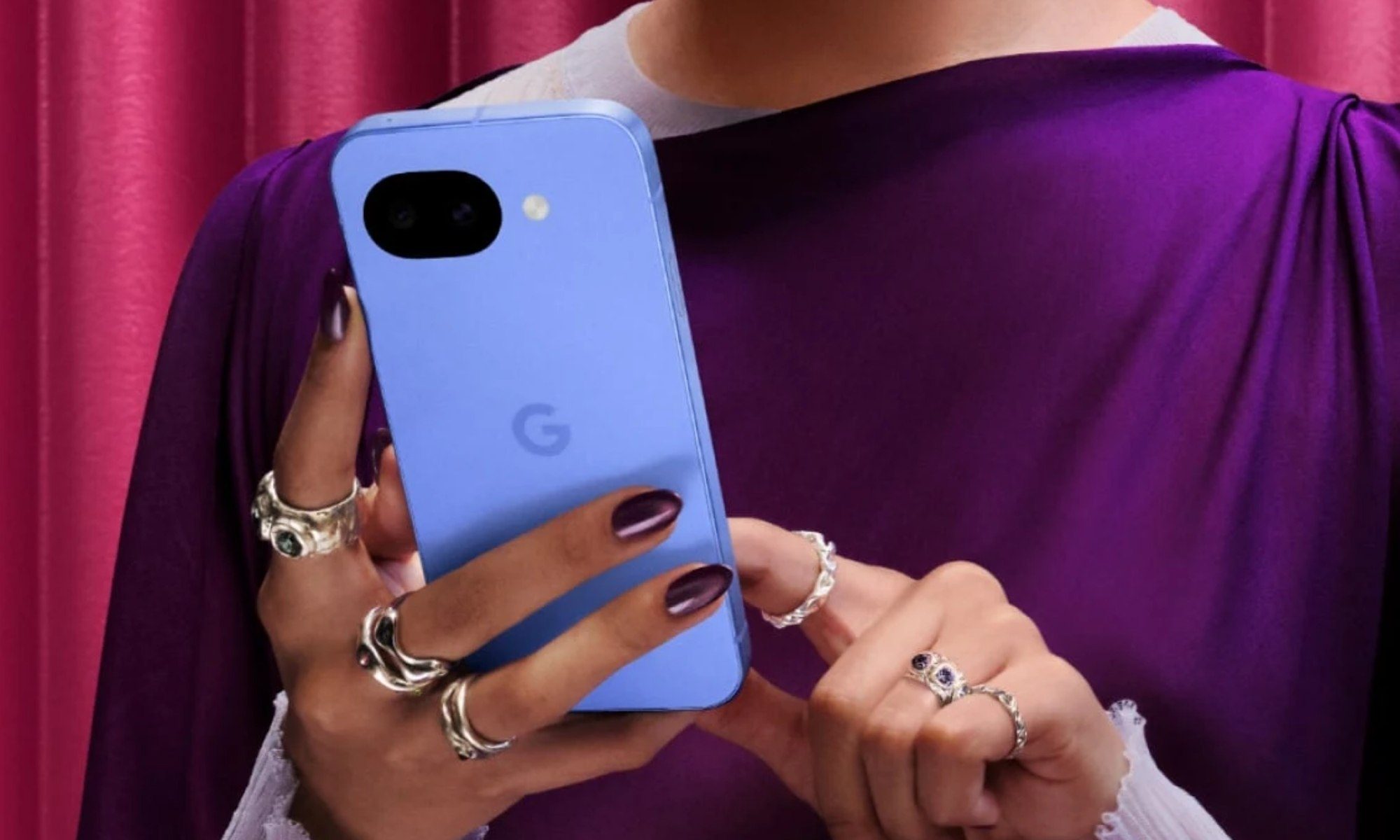
Google Pixel 10a smartphone

Google may ask Pixel 11 buyers to pay $100 more for a phone that improves the parts they can’t see while leaving a conspicuous camera question unresolved. A new leak from Android Headlines puts the base model at $899, up from the Pixel 10’s $799 starting price.

The extra money would at least buy more capacity. The Pixel 11 reportedly starts at 256GB rather than 128GB, while the leaked specifications list both 12GB and 16GB RAM options. Yet the same list mentions only a main camera and an ultrawide, even though other leaked renders still appear to show three rear camera openings.

Read more
Google’s Pixel 11 Pro Fold could offer Galaxy Z Fold8 Ultra specs for $200 less
Google’s leaked foldable could match the Fold8’s price with Ultra-sized screens and 5x zoom
Electronics, Mobile Phone, Phone

Google may be preparing to challenge Samsung’s most expensive foldable without charging Ultra money. According to Android Headlines, the Pixel 11 Pro Fold will start at $1,899, matching the Galaxy Z Fold8 and undercutting the $2,099 Fold8 Ultra by $200.

Its rumored hardware makes that pricing especially interesting. Google’s foldable appears much closer to Samsung’s Ultra model in display size, even though it would cost the same as the smaller Fold8.

Read more