Huawei has pretty much been removed from the U.S. smartphone market after being sanctioned by the former Trump administration nearly five years ago. But in its home country of China, it has frequent run-ins with Apple for the top spot. Besides a sense of nationalism, Huawei’s success is backed by phones that offer top-notch design, exceptional cameras, and extremely unique features. We see these traits once again on the latest Huawei Pura 70 series that launched in China today as a successor to the photography-centric P60 lineup from last year.
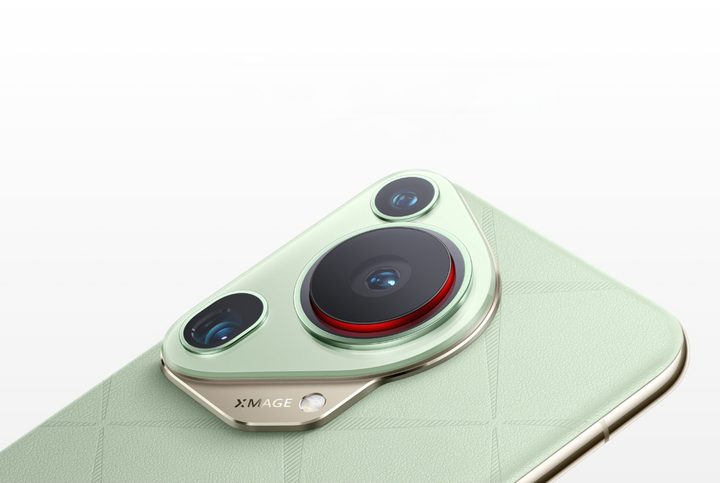
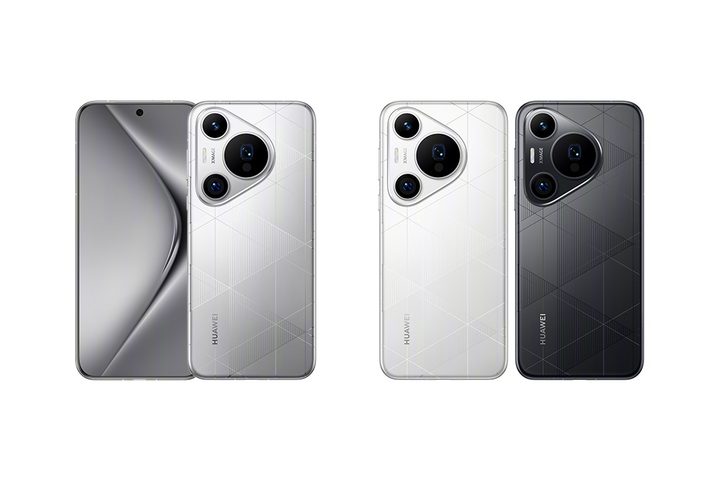
Huawei’s Pura 70 series has four phones: the regular Pura 70, the Pura 70 Pro, the Pura 70 Pro+, and the Pura 70 Ultra. Being a camera-centric series, the phones feature a distinct triangular camera arrangement, while the Ultra — the top-of-the-line model — also comes with a retractable lens similar to digital cameras for finer focus.
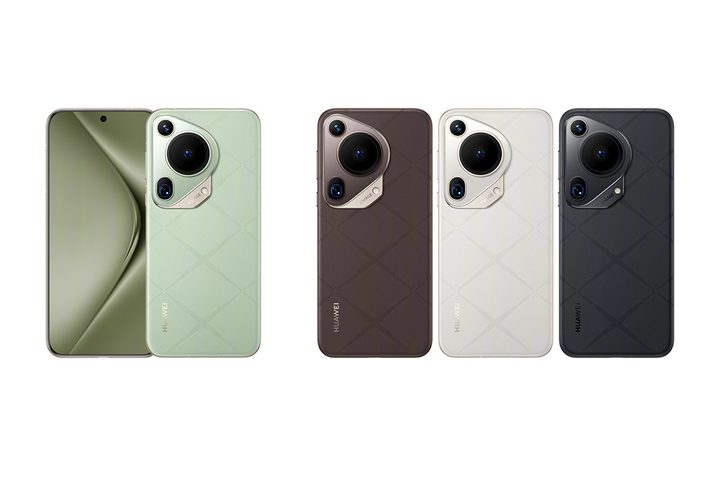
Underneath the telescopic lens, the Pura 70 Ultra also features a 50-megapixel sensor with a large 1-inch format. Huawei claims the Ultra has a superfast shutter that can capture objects moving at up to 300 kilometers per hour (186mph).
Meanwhile, the other three phones also offer a primary camera with the same resolution, but in a smaller 1/1.3-inch format. All phones come with physical apertures that can be adjusted to tweak the amount of light. And all except the base Pura 70 also come with a 40MP super macro camera with magnification up to 35x.
Another standout feature of the Pura 70 Ultra is its embossed leather finish akin to luxury handbags. The other models replicate the same design, but with glass and in different colors. All four phones pack a 6.8-inch OLED display with a dynamic refresh rate ranging from 1Hz to 120Hz.
Other standard features include 100-watt fast wired charging and 80W fast wireless charging across the Ultra, Pro+, and Pro models, while the vanilla only gets a 66W wired charging option. While the Ultra receives a slightly larger 5,200mAh battery, the others use a 5,050mAh pack. Huawei does not skimp out on including a charger in the box.
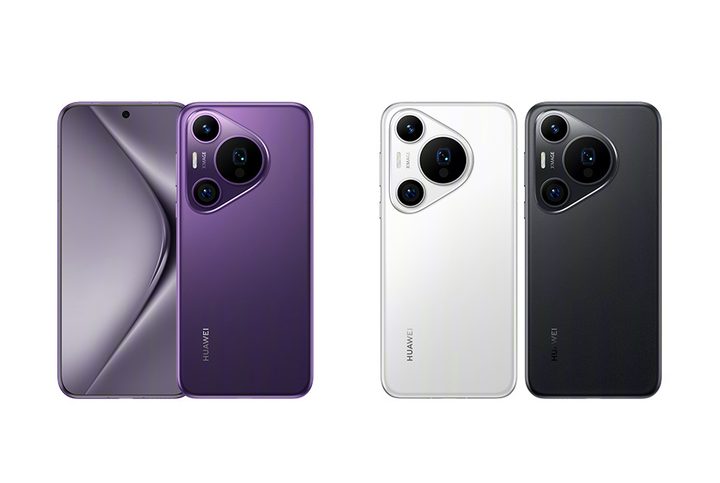
For the Ultra, Huawei gives you the choice of up to 1TB of storage on all four Pura 70 variants. It’s paired with 16GB of RAM on the top two models and 12GB on the remaining two. Inside, the phones are expected to run on Huawei’s own line of Kirin-branded silicon (specifically the latest Kirin 9010). On the Pura 70 Ultra and the Pro+, Huawei also offers dual satellite connectivity for communications when the cellular network is down. Meanwhile, the Pro gets support for just one while the regular gets none.
In terms of software, all the phones launched today run Huawei’s custom HarmonyOS 4.2. Despite being based on the open-source (noncommercial) version of Android, the interface is still heavily skinned and largely imitates iOS — like most other phones in China.
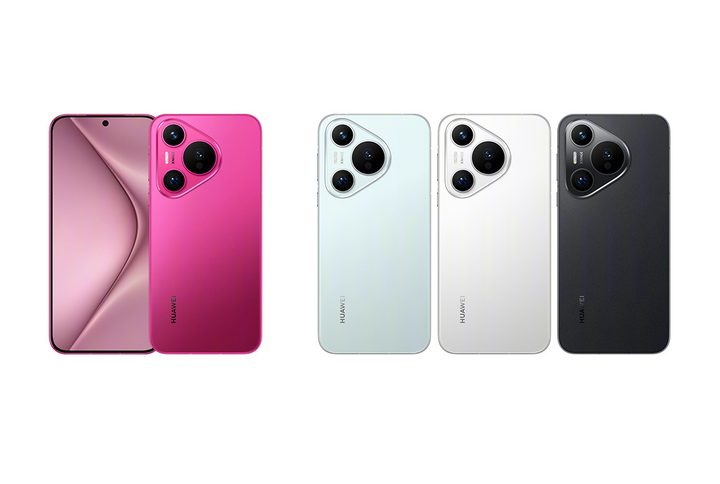
When it comes to the pricing, the Huawei Pura 70 series’ exquisite features come at a premium. Of the lot, the Ultra, which also has the highest specs, has a starting price of 9,999 yuan or roughly $1,400. Meanwhile, the regular Pura 70 begins at 5,499 yuan or approximately $760. We can expect a noticeable markup on prices if they launch in other markets, including Eastern Europe — even though Huawei is likely to skip out on the more premium variants, especially the Ultra.
Due to the sanctions in the U.S., these phones are impossible to buy here. But looking at these specs and the stellar designs, I really wish there was an option to get the Ultra — no matter the premium I’d have to pay.